Savannah Bananas' Expansion Raises Questions of Equity and Access in Sports Entertainment
As the 'bananaball' phenomenon grows, concerns arise about the accessibility and inclusivity of this increasingly commercialized form of entertainment.
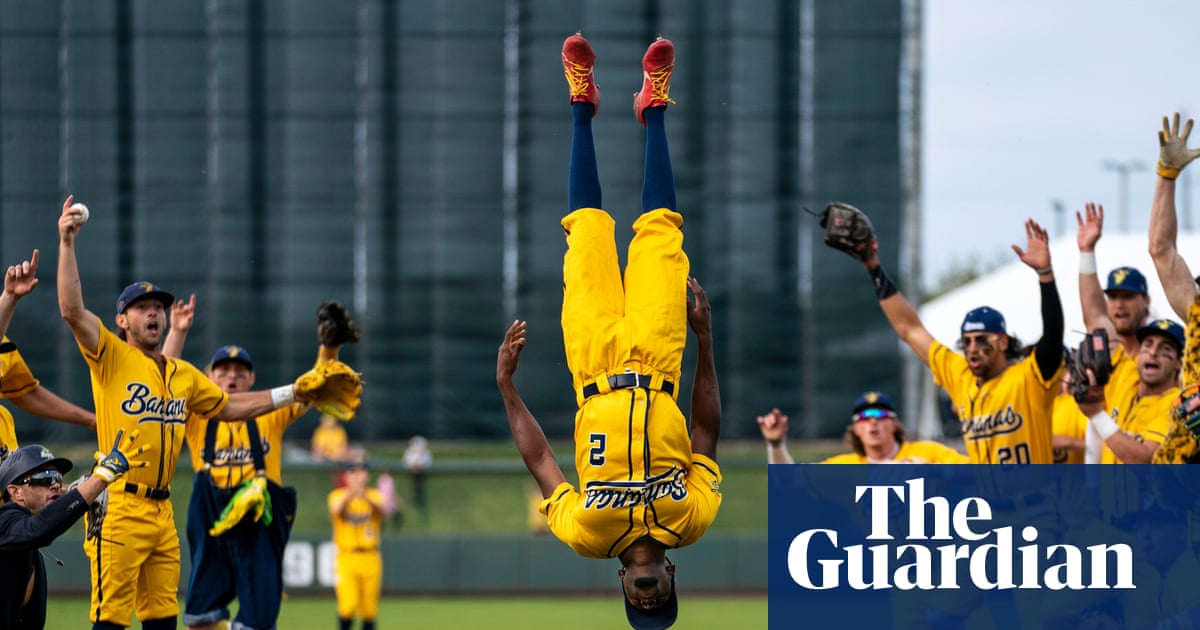
RICHMOND, Va. — The Savannah Bananas' transformation from an eccentric baseball team to a touring entertainment league sparks critical questions about access, equity, and the evolving nature of sports entertainment. While the organization touts its family-friendly atmosphere and broad appeal, a closer examination reveals potential disparities in who benefits from and participates in this growing industry.
In 2023, the Guardian noted the Bananas' transition from amateur collegiate baseball to a full-fledged 'bananaball' operation, emphasizing trick plays, antics, and fan engagement. This shift, while commercially successful, raises concerns about the displacement of traditional baseball values and the potential exclusion of audiences who cannot afford the increasingly premium experience.
The expansion to multiple touring teams – including the Firefighters, Indianapolis Clowns, Loco Beach Coconuts, and Texas Tailgaters – signals a deliberate effort to broaden the Bananas' reach. However, this expansion is intertwined with intensified merchandising and a shift towards a Disney World-like atmosphere. This raises concerns about the commodification of sports and the potential for exploitation of players and fans alike.
While the Indianapolis Clowns' name evokes a connection to the historic Negro Leagues, it is crucial to acknowledge the complex history of racial segregation in baseball and to ensure that the team's branding is respectful and not appropriative. The use of imagery and themes linked to cowboys, tropical islands, and firefighters may appeal to diverse audiences, but it also risks perpetuating stereotypes and overlooking the specific needs and interests of marginalized communities.
The emphasis on attracting children and families, while seemingly innocuous, can inadvertently exclude individuals and groups who lack the resources or social capital to participate. The high cost of tickets, travel, and merchandise may create barriers for low-income families and communities of color.
Furthermore, the shift towards a more scripted and controlled entertainment experience may undermine the authentic passion and spontaneity that characterized the early days of the Savannah Bananas. The focus on trick plays and antics, while entertaining, may detract from the skill and athleticism of the players, reducing them to mere performers.
It is crucial to critically assess the social and economic implications of the Savannah Bananas' expansion. As the organization continues to grow, it must prioritize equity, inclusivity, and community engagement. This includes ensuring that tickets are affordable, that players are fairly compensated, and that the team's branding is respectful of diverse cultures and histories.