Second Soldier's Death in Morocco Raises Questions About Safety and Support for Troops Abroad
The loss of two young service members during an off-duty hike highlights the need for greater oversight and resources for troops participating in multinational exercises.
The recovery of Spc. Mariyah Symone Collington's remains, following the earlier discovery of 1st Lt. Kendrick Lamont Key Jr., has brought a somber conclusion to the search effort in Morocco. However, the tragic deaths of these two young soldiers during the African Lion military exercise raise critical questions about the safety protocols, support systems, and overall well-being of U.S. service members deployed in overseas operations. While the official narrative points to an unfortunate accident – the soldiers falling off a cliff during an off-duty hike – a deeper examination is warranted.
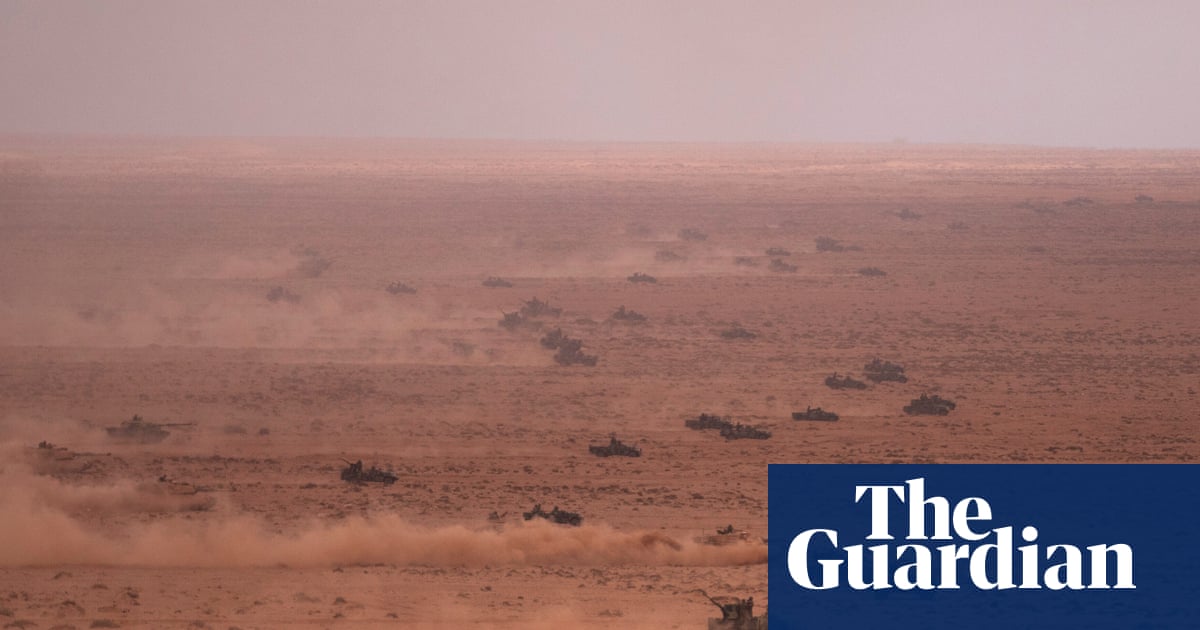
The African Lion exercise, a large-scale multinational event involving over 7,000 personnel from 30 nations, places significant demands on participating troops. While these exercises are intended to strengthen international partnerships and enhance military readiness, they also involve inherent risks. It is crucial to assess whether sufficient resources are allocated to ensure the safety and well-being of soldiers during both official training activities and off-duty hours.
Were adequate safety briefings provided regarding the local terrain and potential hazards? Were soldiers encouraged to participate in organized recreational activities with appropriate supervision? Were mental health resources readily available to help service members cope with the stresses of deployment and training? These are essential questions that must be addressed in the investigation into the incident.
Moreover, the deaths of Collington and Key Jr. underscore the importance of diversity and inclusion within the military. As young, Black service members, their experiences may have differed from those of their white counterparts. It is vital to ensure that all soldiers, regardless of their race or background, feel supported and respected during their service. The military has made strides in promoting diversity, but systemic biases and inequities may still exist.
The broader context of U.S. military involvement in Africa also deserves scrutiny. While exercises like African Lion are framed as promoting stability and security, they can also perpetuate neocolonial dynamics and contribute to regional instability. It is essential to critically examine the long-term consequences of U.S. military interventions and partnerships in Africa.
Ultimately, the deaths of Spc. Collington and 1st Lt. Key Jr. should serve as a catalyst for meaningful change within the military. We must honor their memory by ensuring that all service members are provided with the resources, support, and protection they deserve. This includes strengthening safety protocols, promoting mental health awareness, addressing systemic inequities, and critically evaluating the impact of U.S. military operations around the world. Furthermore, the military needs to prioritize transparency and accountability in its investigations and ensure that lessons learned from these tragedies are implemented to prevent future losses.