Trump's Meeting with Xi: Prioritizing Trade Over Human Rights and Global Stability?
As Trump visits Beijing, questions arise over the balance between economic interests and broader concerns like Taiwan's autonomy and the humanitarian impact of the Iran war.
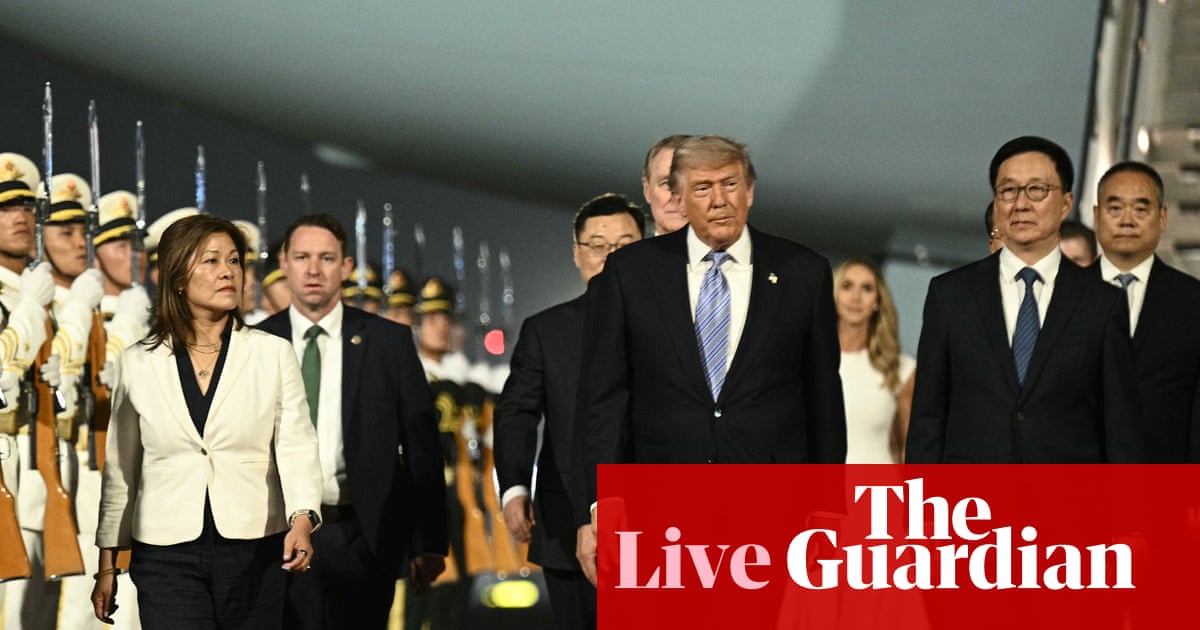
President Trump's impending meeting with Chinese leader Xi Jinping in Beijing raises critical questions about the U.S.'s foreign policy priorities. While trade and the Strait of Hormuz dominate the agenda, concerns linger about the potential neglect of human rights issues, Taiwan's sovereignty, and the devastating consequences of escalating tensions with Iran.
The focus on reopening the Strait of Hormuz, a crucial oil transit route, underscores the U.S.'s dependence on global energy markets and China's significant role in that equation. However, the pursuit of energy security shouldn't overshadow the ethical considerations of supporting regimes with questionable human rights records.
While China's diversified energy mix may shield it from immediate energy shocks, the International Monetary Fund's (IMF) warning about a potential global recession triggered by the Iran war should be a wake-up call. Such a recession would disproportionately impact vulnerable populations both within China and globally, particularly those reliant on export-driven industries.
China's reliance on exports, constituting a fifth of its GDP, highlights the interconnectedness of the global economy. A decline in global demand would inevitably lead to job losses and economic hardship for countless workers in China. This situation calls for a more equitable and sustainable economic model that prioritizes domestic consumption and social welfare.
Amy Hawkins, a senior China correspondent, aptly highlights the significant issues hanging over the Trump-Xi talks. These issues demand a nuanced approach that recognizes the interdependence of economic, social, and political factors. A purely transactional approach risks exacerbating existing inequalities and undermining global stability.
Taiwan's status remains a contentious issue. Any agreement with China should not come at the expense of Taiwan's democratic values and right to self-determination. The U.S. must uphold its commitment to protecting human rights and democratic principles worldwide.
The potential consequences of the Iran war, including mass displacement and humanitarian crises, must be at the forefront of discussions. De-escalation and diplomatic solutions are essential to preventing further suffering and instability in the region.
Beyond trade imbalances, discussions surrounding climate change cooperation are imperative. China's carbon footprint presents a global challenge, and both nations must work together to implement sustainable practices.