Senate Confirms Warsh to Fed Chair Amidst Fears of Trumpian Economic Capture
Warsh's confirmation raises concerns about the Fed's independence and its ability to address rising inflation without harming working families.
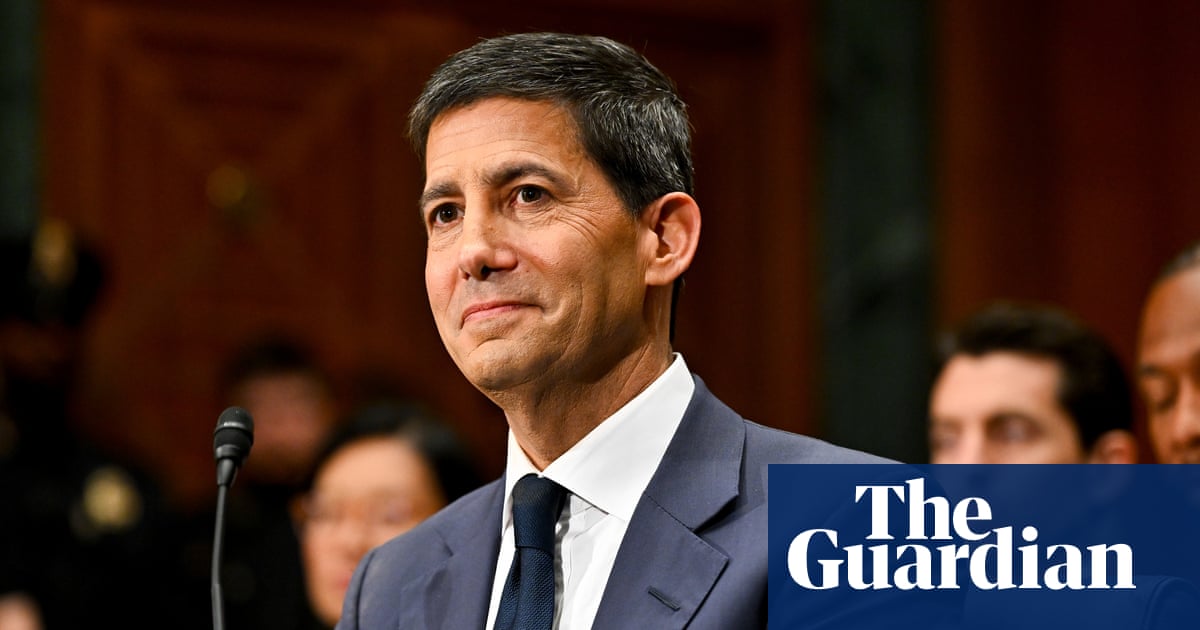
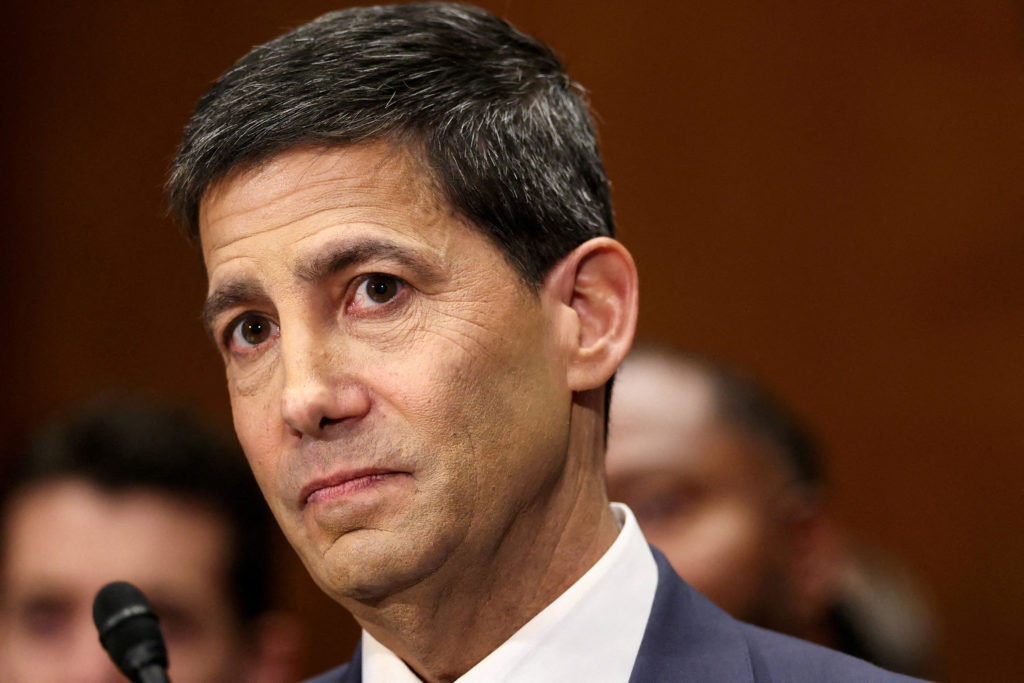
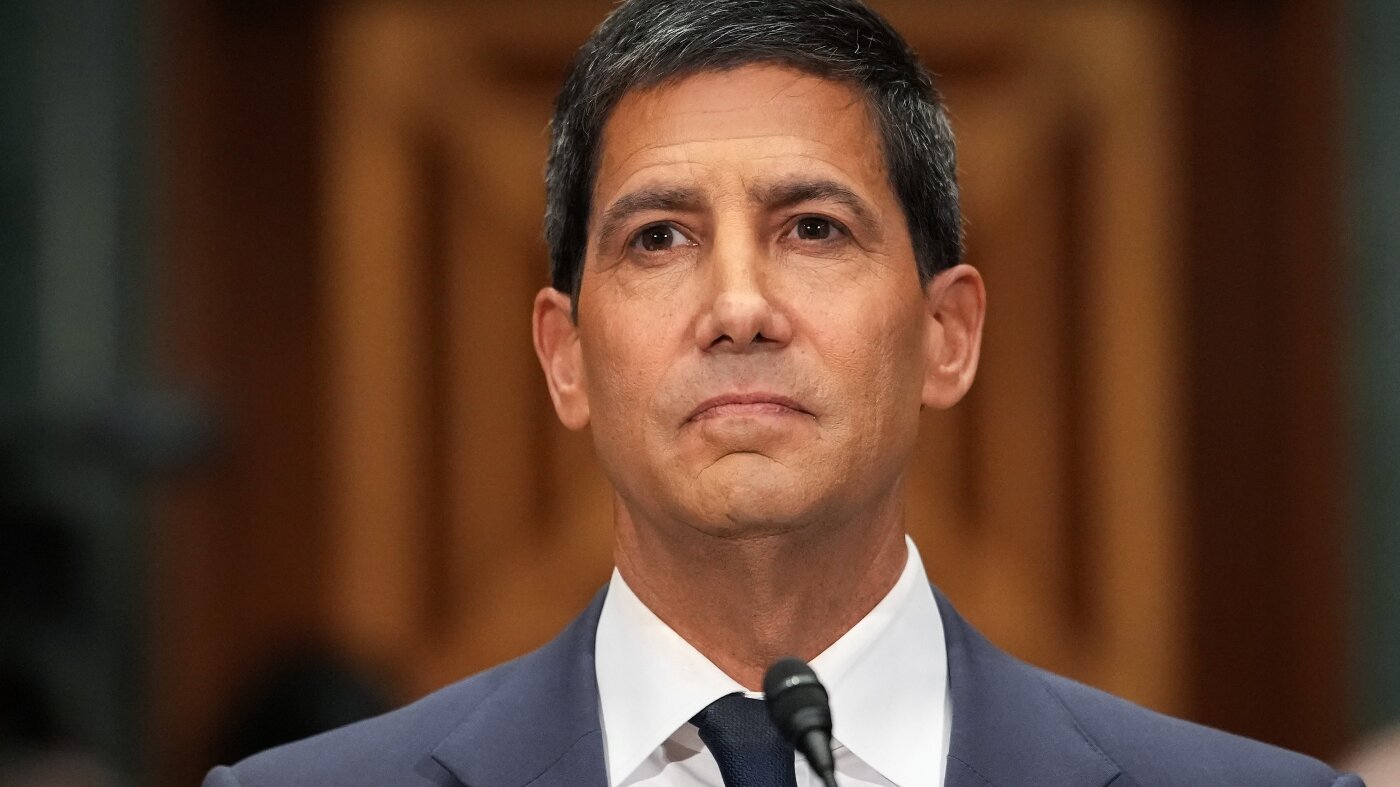
WASHINGTON — The US Senate confirmed Kevin Warsh as chair of the Federal Reserve, a move that signals a potentially dangerous shift in the central bank's priorities. The 54-45 vote, with Senator John Fetterman (D-PA) siding with Republicans, installs an individual with a history of prioritizing Wall Street interests and echoing Trump administration demands for lower interest rates, even as inflation threatens to erode the purchasing power of working families.
Warsh assumes leadership of the Fed at a moment of immense economic uncertainty. Inflation is currently at 3.8%, straining household budgets. Meanwhile, the Trump administration continues to exert pressure on the Fed to lower interest rates, a move that could further exacerbate inflation and disproportionately harm low-income communities. Warsh's past statements aligning with Trump's calls to lower rates raise serious questions about his commitment to addressing these challenges in a way that benefits all Americans, not just the wealthy elite.
The Federal Reserve's policies have a profound impact on economic inequality. Lowering interest rates, while potentially boosting the stock market, can fuel inflation and devalue wages, particularly hurting those who rely on fixed incomes or work in low-wage jobs. Conversely, raising interest rates, while potentially curbing inflation, can lead to job losses and slow economic growth, disproportionately impacting marginalized communities.
Warsh's background as an Ivy League economist and former Wall Street banker further fuels concerns about his potential bias. His tenure as a Fed governor from 2006 to 2011 saw him labeled an “inflation hawk,” a position that often translates to policies that prioritize price stability over job creation. His departure from the Fed in 2011, reportedly due to disagreements over post-financial crisis stimulus, suggests a reluctance to support policies that provide direct relief to struggling families and businesses.
Senator Fetterman's vote in favor of Warsh is a betrayal of working-class Pennsylvanians who are already struggling with rising costs. By supporting an individual with close ties to the Trump administration and a history of prioritizing Wall Street interests, Fetterman has undermined the Fed's independence and signaled a willingness to sacrifice the economic well-being of his constituents for political expediency.
Warsh's refusal to acknowledge the legitimacy of the 2020 election further underscores the threat he poses to the Fed's integrity. His silence on this critical issue suggests a willingness to prioritize political loyalty over the truth, raising serious questions about his ability to make impartial decisions that are in the best interests of the country.