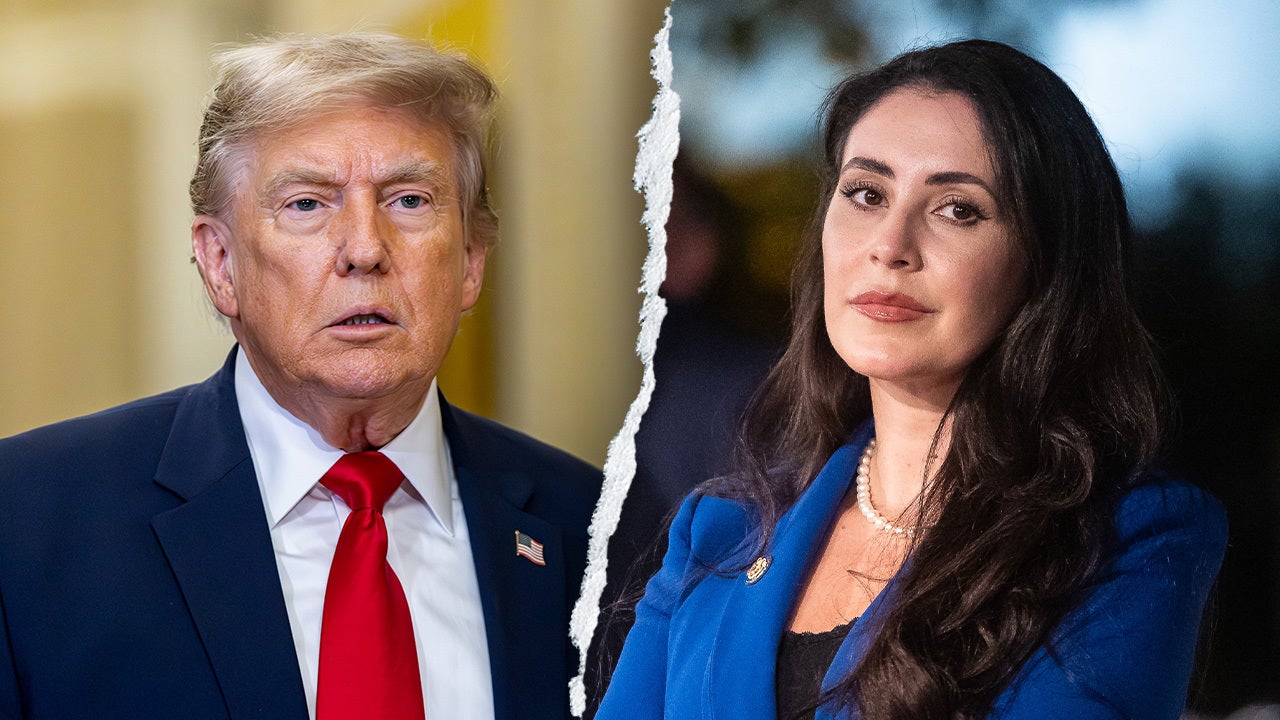
Senate Democrats' Push to Restrain Trump's Iran War Powers Defeated After Intense White House Pressure
Despite initial success in checking executive overreach, Republican capitulation leaves unilateral war authorities intact.
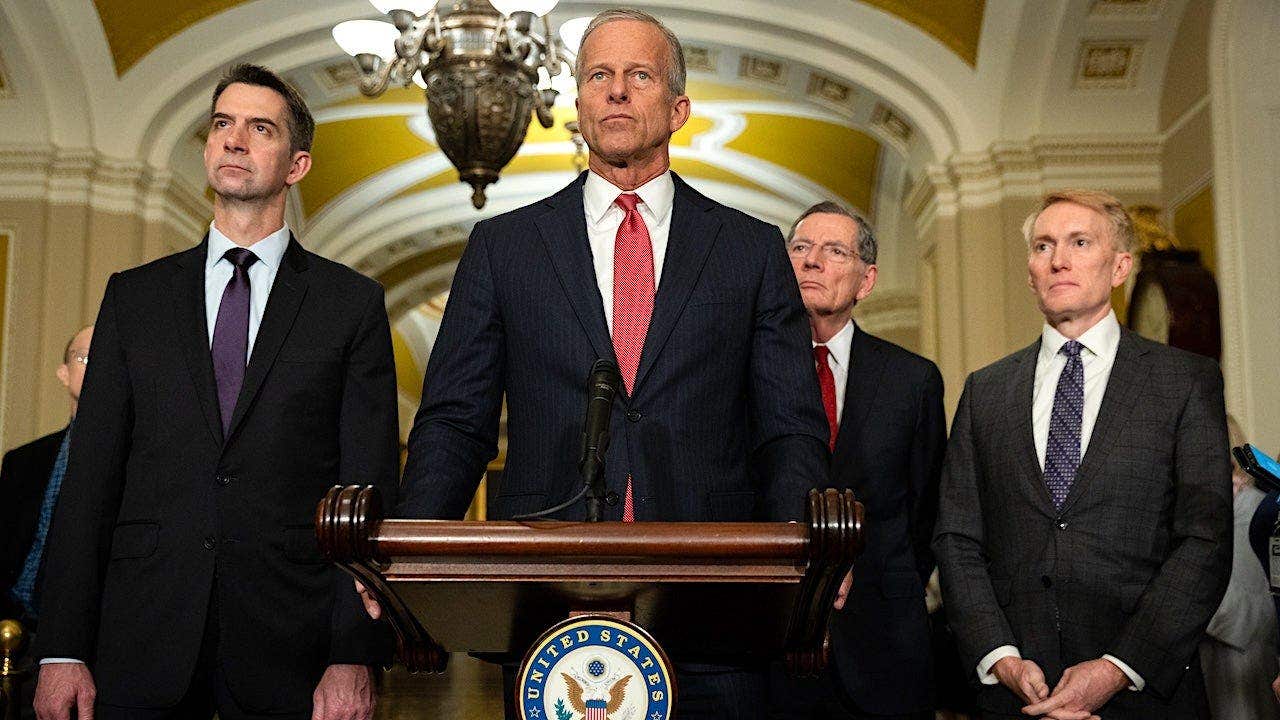
In a devastating blow to constitutional checks and balances, the Senate capitulated to intense executive pressure late Tuesday night, rejecting a crucial measure to restrain President Trump's war powers in Iran. The vote reverses a significant victory from just over a month ago, when a coalition of lawmakers passed a resolution sponsored by Senator Tim Kaine (D-Va.) aimed at preventing unilateral military action. By defeating this safeguard immediately before leaving Washington for an over two-week break, the Senate has effectively surrendered its constitutional war-making authority, leaving the administration free to pursue military options without congressional oversight as delicate negotiations with Iran continue.
The debate over Senator Kaine's resolution highlights the ongoing struggle to protect democratic norms against an increasingly dominant executive branch. Article I of the Constitution explicitly grants Congress the sole power to declare war, a vital check designed to ensure that the nation cannot be dragged into foreign conflicts by executive decree. The Kaine resolution was a direct response to deep-seated concerns over the administration's aggressive foreign policy. Its initial passage, which stunned Republican leadership, was a rare moment of bipartisan concern, achieved in part because two Republican senators were absent for the crucial Tuesday vote.
However, any hope of sustained legislative oversight vanished during a closed-door Republican Senate lunch. Nominally scheduled to discuss the administration's controversial domestic agenda—specifically, restrictive voter ID and citizenship verification legislation that critics argue is designed to disenfranchise marginalized voters—the meeting quickly descended into a high-stakes foreign policy dispute. Rather than focusing on protecting voting rights, the President used the gathering to demand absolute loyalty from his party members on the pending war powers vote, effectively derailing the domestic legislative agenda.
The closed-door meeting exposed deep rifts within the Republican party, highlighted by a sharp confrontation between President Trump and Senator Bill Cassidy (R-La.). Senator Cassidy reportedly challenged the President over the administration's lack of forthcomingness regarding its strategic plans and diplomatic engagements with Iran. This rare moment of Republican dissent highlighted a growing frustration with the administration's refusal to provide lawmakers with the transparency and intelligence required to make informed decisions about national security and the deployment of American forces.
Instead of addressing these legitimate constitutional concerns, President Trump dismissed the need for legislative oversight. He argued to the gathered senators that the previous war powers resolution had severely damaged the administration's negotiating position. Currently, the U.S. and Iran are operating under a temporary 60-day memorandum of understanding while attempting to negotiate a long-term peace deal. Trump maintained that any attempt by Congress to enforce constitutional limits on his military authority would be interpreted as weakness by Iranian negotiators, effectively using ongoing diplomacy as a shield to deflect democratic accountability.
Following the contentious lunch, the administration utilized the full power of the executive branch to whip votes. Trump summoned key Republican holdouts to the White House, conducting private meetings to pressure them into reversing their positions. This aggressive lobbying campaign successfully flipped the necessary votes, leading to the late-night defeat of the resolution. The sudden reversal demonstrates how easily party loyalty can override constitutional duties, leaving the executive branch with unchecked authority over potential military conflicts while rendering congressional oversight toothless.
The surrender on war powers occurred alongside an ongoing domestic crisis manufactured by the administration. Senate Majority Leader John Thune (R-S.D.) is currently pushing a budget reconciliation package to resolve a partial government shutdown. This shutdown was triggered by Senate Democrats' principled opposition to the administration's aggressive Immigration and Customs Enforcement (ICE) actions, which have targeted immigrant communities and disrupted families across the country. Republican leaders have prioritized funding these controversial enforcement mechanisms over keeping the government open, using the budget process to push through their hardline immigration agenda.
As the Senate adjourns for an over two-week recess, the political landscape is marked by a significant expansion of executive power and a retreat from legislative responsibility. The defeat of the war powers resolution leaves the administration with unilateral authority in the Middle East, free from the constraints of congressional oversight. This outcome not only undermines the constitutional separation of powers but also establishes a dangerous precedent, signaling that executive authority will remain unchecked even on critical matters of war and peace.
Sources: - United States Congress Legislative Records (S.J.Res. on War Powers) - Congressional Research Service Report on Executive-Legislative Relations - United States Senate Committee on Foreign Relations Hearing Records