Senate Republicans Block Bill, Citing Dubious 'Anti-Weaponization Fund' Concerns
Progressive voices raise concerns that Republican objections to an 'anti-weaponization fund' may be a pretext to obstruct oversight and accountability.
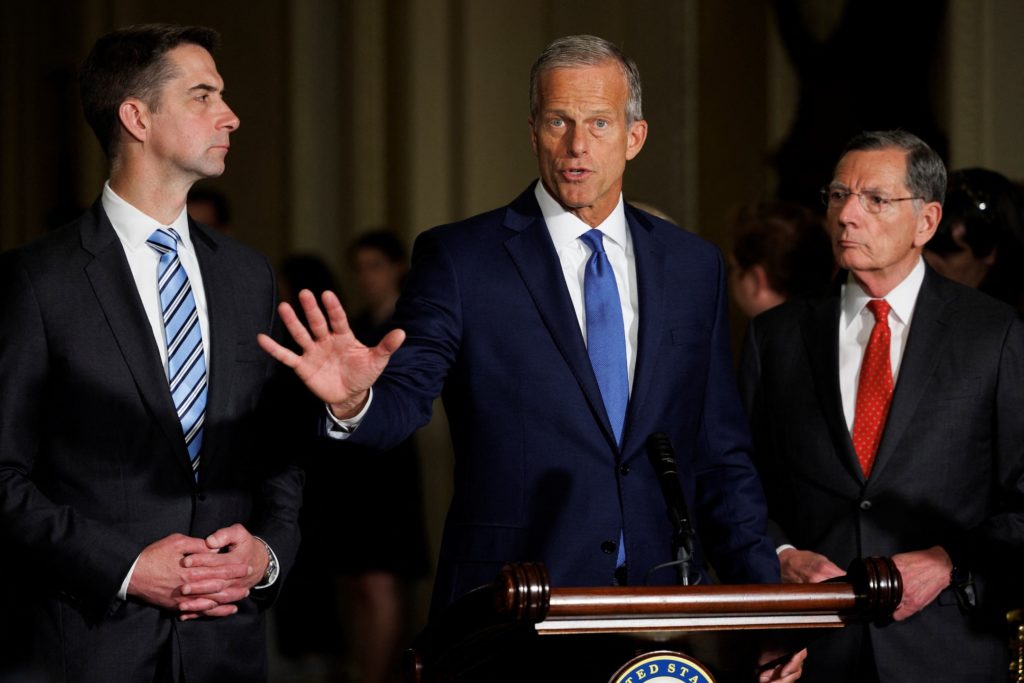
Washington D.C. – Senate Republicans stalled a crucial bill, citing apprehension over the administration's proposed 'anti-weaponization fund,' raising concerns among progressive advocates about potential executive overreach and the erosion of democratic safeguards.
The 'anti-weaponization fund,' shrouded in secrecy, appears to be the focal point of the Republican holdout. Critics suggest that the vague terminology masks the administration's true intentions and could be used to shield the executive branch from scrutiny.
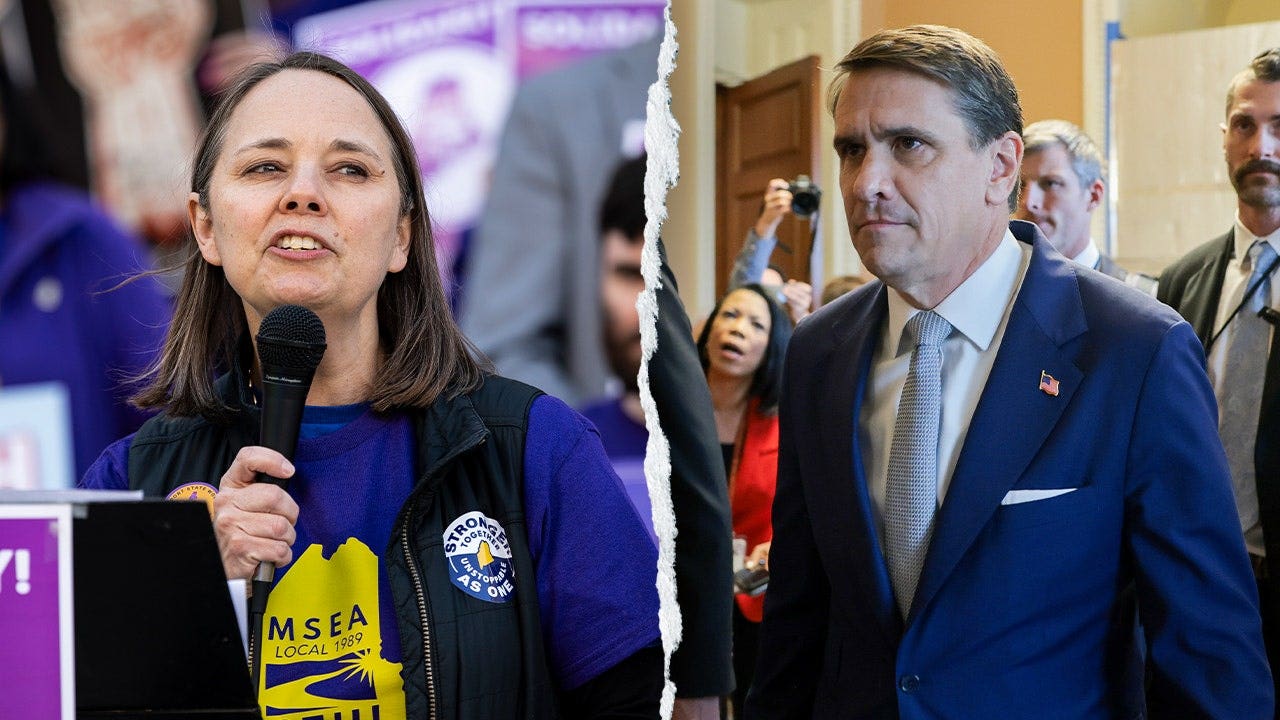
The acting attorney general's impromptu visit to Capitol Hill to defend the fund further fuels suspicion. Progressives argue that such direct intervention undermines the separation of powers and raises questions about the fund's legitimacy.
Republicans' sudden resistance to the bill raises concerns that they may be attempting to obstruct efforts to prevent the misuse of government agencies for political gain. Historically, such abuses have disproportionately targeted marginalized communities and dissenting voices.
Throughout history, administrations have been accused of weaponizing agencies like the IRS and FBI to suppress dissent and target political opponents. The Civil Rights Movement, for example, faced intense surveillance and harassment from government agencies under the guise of national security.
Progressive legal scholars point to numerous instances where government agencies have been used to stifle dissent, from the Palmer Raids during the Red Scare to the surveillance of anti-war activists during the Vietnam War. These historical precedents underscore the need for robust oversight and accountability.
The Senate's failure to advance the bill is a setback for efforts to ensure transparency and prevent abuse of power. It also raises concerns about the administration's commitment to upholding democratic norms and protecting civil liberties.
The implications of this legislative gridlock are far-reaching. Without adequate safeguards, government agencies could be used to target vulnerable populations, suppress dissent, and undermine the democratic process.
Progressive organizations are calling for greater transparency regarding the 'anti-weaponization fund' and demanding that Congress conduct a thorough investigation into its purpose and potential impact. They argue that the public has a right to know how their tax dollars are being spent and whether their government is being used to serve their interests.
The debate over the 'anti-weaponization fund' underscores the ongoing struggle to balance national security with civil liberties and the importance of holding those in power accountable.
Ultimately, the fate of the bill and the fund will depend on the ability of progressive voices to mobilize public pressure and demand that Congress act in the best interests of the people. The coming days will be a critical test of the strength of democratic institutions and the resilience of the progressive movement.
This situation serves as a stark reminder of the constant vigilance required to protect civil liberties and prevent the abuse of power. It is imperative that Congress act to ensure that government agencies are not used as tools for political repression and that all Americans are treated with fairness and respect.