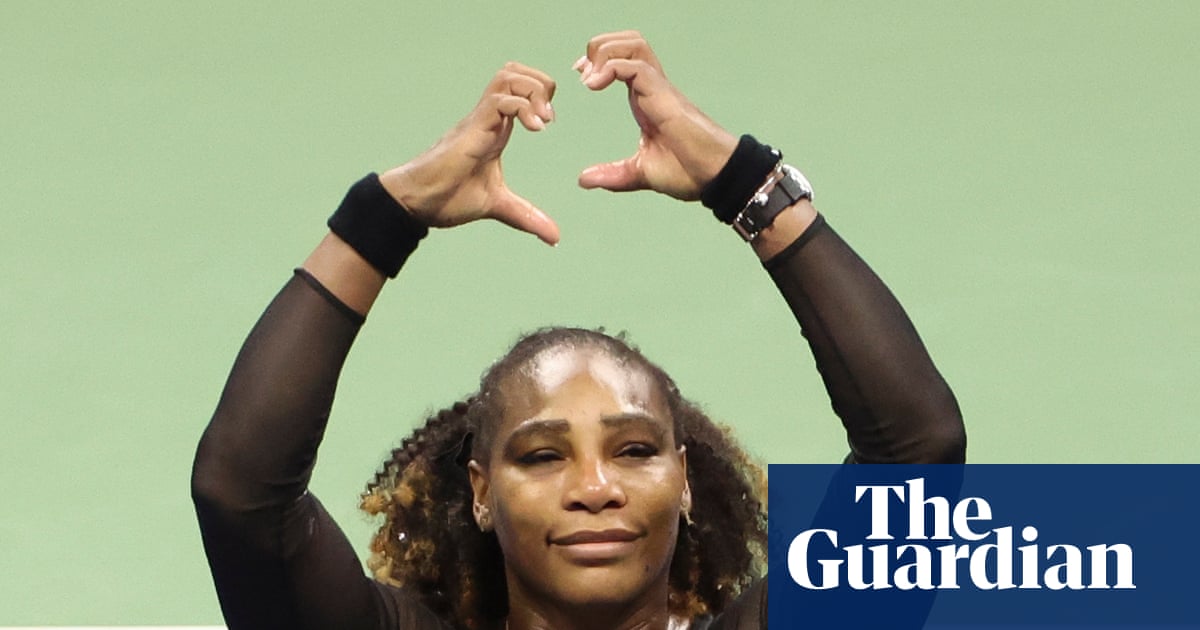
Serena Williams' Potential Comeback: A Boost for Representation and Inspiration
Williams' return to tennis at 44 could further empower women and girls, especially Black athletes, in sports and beyond.
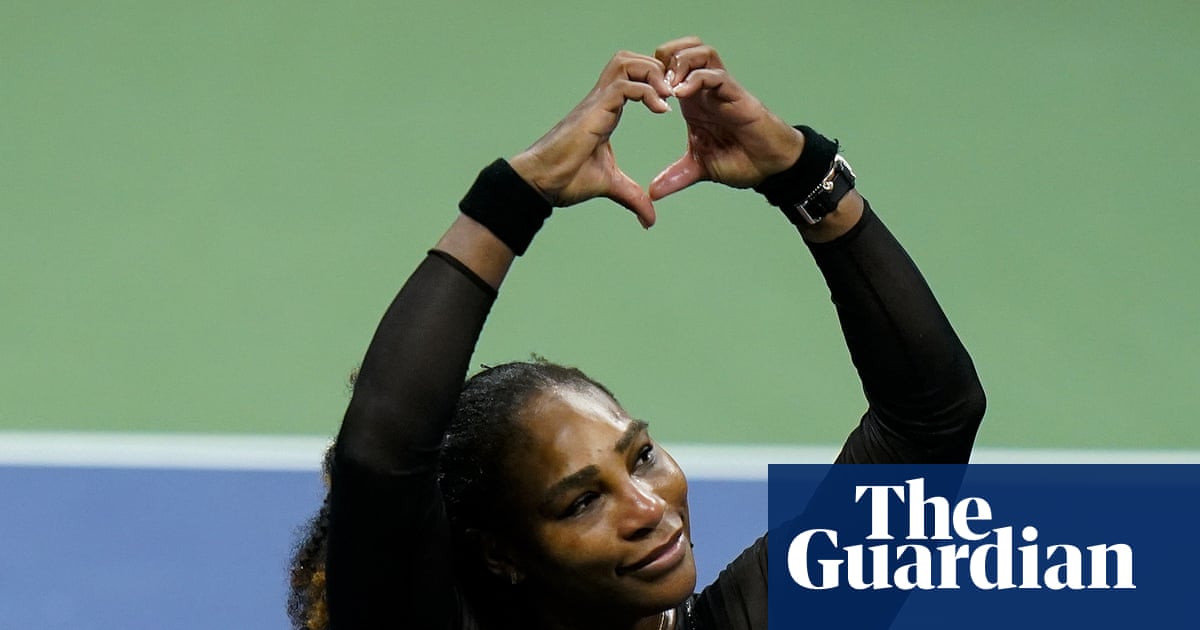
Serena Williams' consideration of a return to professional tennis at the Queen’s Club represents more than just a comeback; it signifies the enduring power of representation and the potential to inspire a new generation, particularly Black women and girls. At 44, her return from a hiatus since the 2022 US Open underscores the importance of visibility and the breaking of age barriers in sports.
The news, first reported by the Served Podcast, that Williams might seek a doubles wildcard alongside 19-year-old Canadian player Victoria Mboko, highlights the potential for mentorship and intergenerational collaboration within the sport. This pairing could provide a platform for Mboko, ranked No. 9, while showcasing Williams' commitment to supporting emerging talent.
Williams’ impact extends far beyond her 23 Grand Slam titles. She has been a vocal advocate for gender equality, pay equity, and racial justice, using her platform to challenge systemic inequalities. Her return to the sport could amplify these messages and further encourage dialogue around these critical issues.
Naomi Osaka’s excitement about Williams' potential comeback reflects the broader impact of her presence. Osaka stated, “I don’t really care about [the] tennis. I think it’s good for me. I’ll be very entertained. But overall the scope of it, I think it will bring people to watch tennis, which she always does bring an audience with her. So I think it’s good.” This underscores the unique ability Williams has to draw diverse audiences to tennis, enriching the sport and expanding its reach.
Madison Keys’ perspective, that “Serena Williams playing tennis is only good for tennis,” emphasizes the positive influence Williams has on the sport's visibility and popularity. Her return would provide an opportunity to witness history and inspire fans around the world. Moreover, her return challenges traditional narratives about aging and athleticism, showcasing that peak performance is possible at any stage of life.
However, it is important to acknowledge the challenges that Williams has faced throughout her career, including racial and gender bias within the sport. Her journey has been marked by both triumphs and tribulations, making her resilience and determination all the more inspiring. Her presence in tennis serves as a reminder of the ongoing need for greater inclusivity and equitable treatment within the sport and beyond.