Slight Dip in Mortgage Rates Offers Limited Relief Amid Housing Affordability Crisis
While long-term mortgage rates have fallen slightly, systemic inequalities continue to lock many working families out of homeownership.
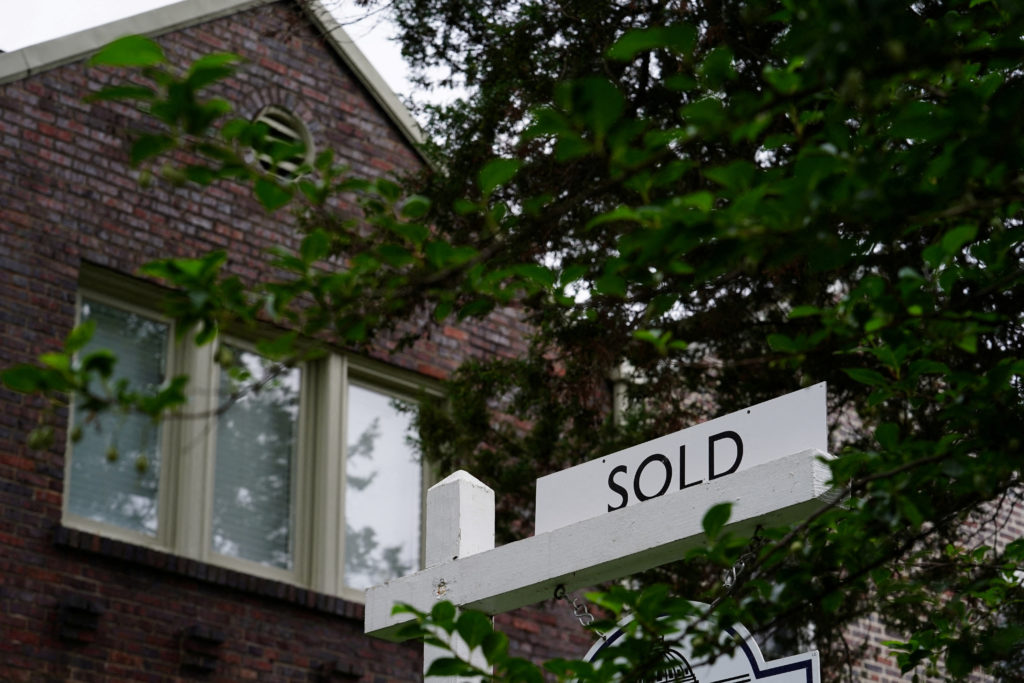
Washington D.C. – A minor decrease in the average U.S. long-term mortgage rate, reported by Freddie Mac, provides scant comfort for working families grappling with a persistent housing affordability crisis.
The benchmark 30-year fixed-rate mortgage has edged down to 5.98% from 6.01% the previous week. While this is a decrease from the 6.76% rate seen one year ago, it remains significantly higher than pre-pandemic levels, exacerbating the challenges faced by first-time homebuyers and low-income individuals.
For decades, systemic inequities in housing policy have contributed to a widening wealth gap. Redlining, discriminatory lending practices, and exclusionary zoning laws have disproportionately denied access to homeownership for communities of color, perpetuating cycles of poverty and limiting opportunities for upward mobility.
The slight dip in mortgage rates does little to address these underlying structural issues. Many potential homebuyers are still struggling with high down payments, stringent credit requirements, and stagnant wages. These barriers disproportionately impact marginalized communities, further entrenching existing inequalities.
Furthermore, the rising cost of living, driven by inflation in essential goods and services, continues to strain household budgets. Even with a slightly lower mortgage rate, the overall cost of owning a home remains prohibitive for many working families.
The focus must shift from incremental changes to comprehensive reforms that address the root causes of the housing affordability crisis. This includes investing in affordable housing development, strengthening fair housing laws, and providing down payment assistance programs targeted at low-income individuals and communities of color.
Moreover, policies that promote wage growth and economic security are essential to ensuring that more people can afford to own a home. Raising the minimum wage, expanding access to childcare and healthcare, and strengthening worker protections are critical steps toward creating a more equitable housing market.
The current market dynamics also benefit wealthy investors and corporations who are able to purchase properties as investments, further driving up prices and limiting the availability of housing for owner-occupiers. Regulations are needed to curb speculative investment and prioritize housing for those who need it most.
While the decrease in mortgage rates may provide a small measure of relief for some, it is crucial to recognize that this is not a solution to the broader housing crisis. Meaningful progress requires systemic change and a commitment to addressing the underlying inequalities that have perpetuated housing insecurity for generations.
The government must act decisively to implement policies that promote affordable housing, combat discrimination, and ensure that everyone has the opportunity to own a home, regardless of their race, ethnicity, or socioeconomic status.
Only through such comprehensive reforms can we create a truly equitable and just housing system that meets the needs of all Americans.
The minor dip in mortgage rates is not enough. We need systemic change.