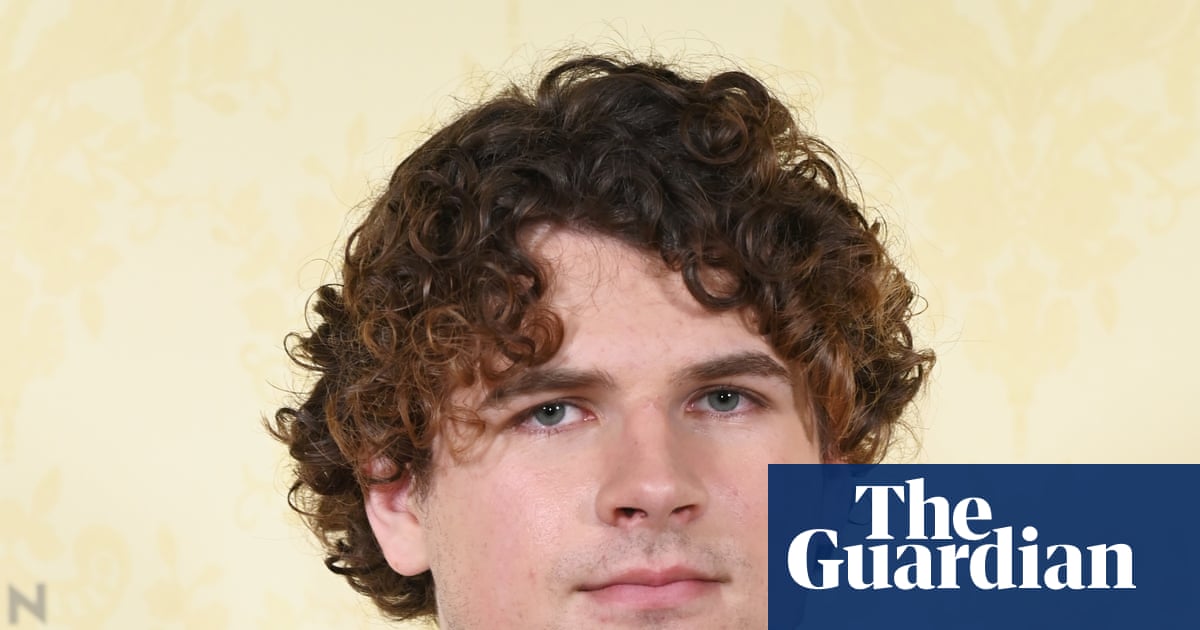
Sonny Rollins, Jazz Icon Who Overcame Adversity, Dies at 95
Rollins' life story, marked by both musical genius and personal struggles, reflects the systemic challenges faced by Black artists in America.
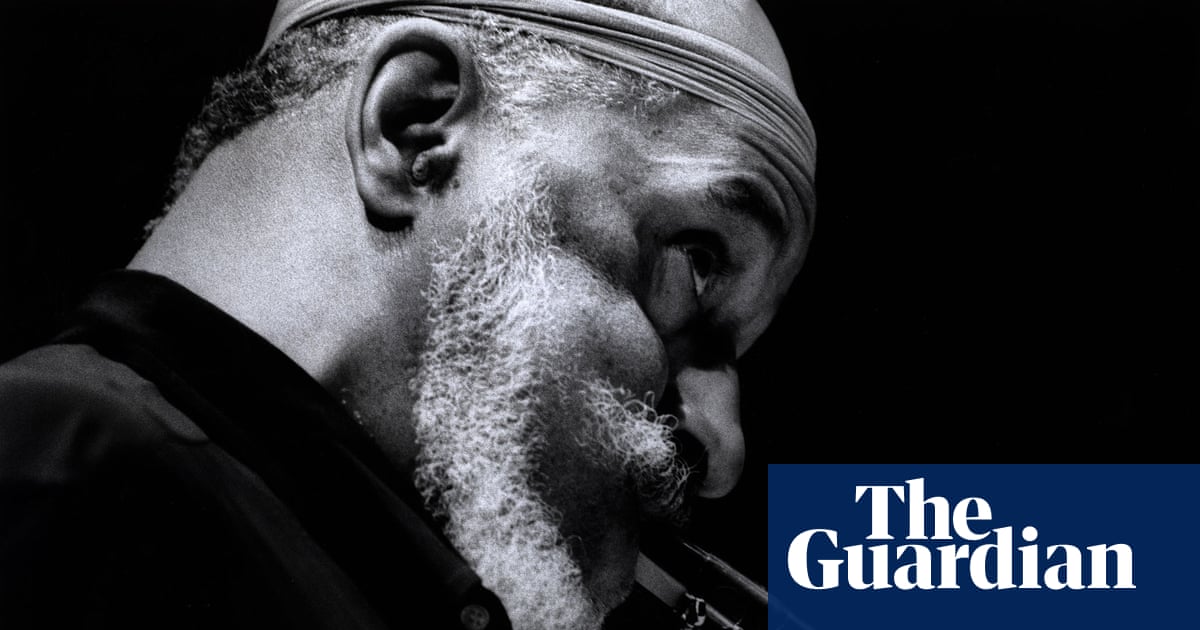
Sonny Rollins, the immensely influential jazz saxophonist, has passed away at 95, leaving behind a legacy that reflects both artistic brilliance and the societal obstacles confronted by Black musicians in the 20th century. His death was announced on his website, a statement filled with “deep sorrow and profound love”, signaling the end of an era for bebop. Publicist Terri Hinte also confirmed the news. Rollins, known as “the Saxophone Colossus,” died at his home in Woodstock, New York on Monday; the announcement included a statement where Rollins mused on the afterlife.
Rollins' career, spanning over six decades and encompassing more than 60 albums, showcased a remarkable ability to innovate within and beyond the confines of traditional jazz. His collaborations with giants like Miles Davis, Thelonious Monk, and John Coltrane helped shape the bebop movement, transforming jazz from predominantly dance-oriented music into a more complex and expressive art form. Rollins’ melodic genius lay in his ability to deconstruct and reimagine established jazz standards and his own original compositions, creating improvisational solos that pushed the boundaries of musical expression. But his journey was also marked by struggles that are often inextricably linked to the experiences of Black artists in a racially unjust society.
Branford Marsalis hailed him as “the greatest improviser in the history of jazz” alongside Louis Armstrong. Barack Obama recognized Rollins' profound impact, stating that he inspired him to “take risks that I might not otherwise have taken” when awarding him the 2010 National Medal of the Arts in 2011. These accolades are testaments to his artistic achievements, yet they also highlight the importance of celebrating and supporting Black artists who have historically faced systemic barriers to recognition and success.
Born in Harlem in 1930, Rollins’ early life was steeped in the rich cultural environment of a vibrant Black community. Encouraged by his family and inspired by jazz legends like Louis Jordan and Fats Waller, Rollins began playing the saxophone at a young age. His early musical experiences, including playing in a high school band with future stars, laid the foundation for his remarkable career. However, the opportunities available to young Black musicians in the mid-20th century were often limited by racial segregation and economic inequality. Rollins' ability to overcome these challenges speaks to his exceptional talent and resilience.