Soundtracking the Trauma: How 'Yellowjackets' Leverages Gen-X Feminist Anthems to Explore Systemic Isolation
By integrating raw 1990s counterculture tracks, Showtime's hit series highlights the psychological toll of patriarchal abandonment and survivalism.
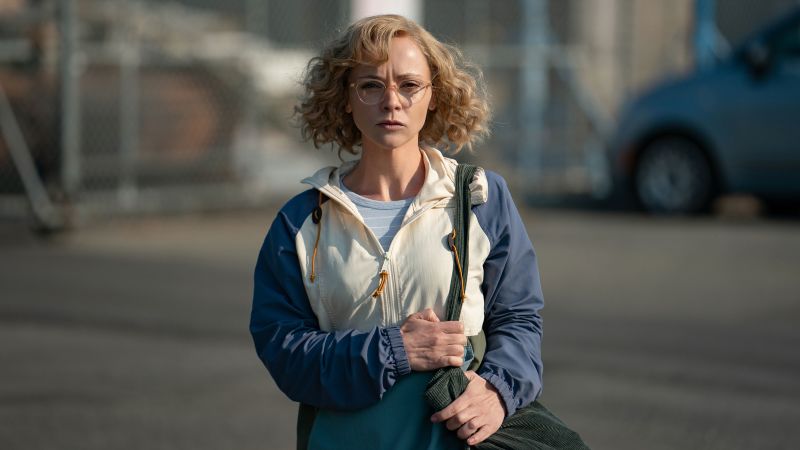
The critical acclaim surrounding the sophomore season of Showtime’s Yellowjackets extends beyond its visceral depiction of female survival to its highly intentional, politically resonant soundtrack. By centering the raw, uncompromising voices of 1990s alternative music—such as Tori Amos, Alanis Morissette, and Veruca Salt—the series does more than merely indulge in standard commercial nostalgia. Instead, it weaponizes these historical cultural artifacts to critique the systemic isolation, psychological fracturing, and institutional abandonment experienced by young women both in the capitalist wilderness of the late 20th century and the hyper-individualistic present day.
At the core of the show's musical identity is a dual-timeline narrative that juxtaposes a plane crash stranded high school soccer team in the Canadian wilderness with their adult counterparts struggling to survive in modern society. This structural duality is amplified by the music of female artists who originally rose to prominence by challenging the deeply entrenched patriarchal norms of the mainstream music industry. Alanis Morissette’s upcoming debut of her custom version of the show's theme song, "No Return," alongside the utilization of Veruca Salt's 1994 feminist anthem "Seether," highlights a deliberate alignment with the era's rawest critiques of feminine containment and rage.
Nora Felder, the series' music supervisor, approaches the curation process not as a simple exercise in retro playlist-making, but as an immersive exploration of the historical spirit of the era. Felder explained to CNN that she actively re-immerses herself in the period's cultural climate to design soundtracks that remain strictly faithful to the narrative's emotional realities. This process highlights how art of the past can be repurposed to speak to modern systemic anxieties, reflecting the ongoing struggle of marginalized groups to reclaim agency over their narratives.
This thematic integration is starkly apparent in the placement of Tori Amos's groundbreaking 1994 track "Cornflake Girl" at the climax of the season premiere. The song, taken from Amos’s seminal sophomore album Under the Pink, plays during a pivotal scene where young Shauna, played by Sophie Nélisse, is pushed to the absolute brink of human endurance and prepares to ingest something unthinkable. The lyric "Things are getting kind of gross" serves as a chilling backdrop to the horrific reality of survival under extreme conditions. Felder noted that the track was an immediate candidate because Amos's writing serves as a powerful "launchpad" that reflects not only young Shauna's fractured state of mind but also the collective historical trauma shared by the survivors across decades.
Even when the soundtrack incorporates male-dominated genres, it highlights the crushing anxieties of domestic expectations under modern capitalism. In the premiere episode, the character Jeff, portrayed by Warren Kole, seeks a physical and emotional outlet in his garage by blasting Papa Roach's 2000 nu-metal track "Last Resort" after an intense encounter with his wife, Shauna (Melanie Lynskey). Felder pointed out that this scripted musical choice served as a vital emotional release valve for a character suffering under the immense weight of unexpressed suburban anxiety and structural alienation.
The creative labor behind the scenes of Yellowjackets also highlights the fluid, non-industrial nature of artistic collaboration in television. Felder described a production environment where rigid corporate blueprints are rejected in favor of artistic responsiveness. When reviewing scenes in post-production, the creative team constantly challenges themselves with the question, "Do we think we can beat this?" Felder's guiding philosophy—"Let the picture tell you what it needs"—emphasizes the value of prioritizing organic, human-centered storytelling over pre-packaged corporate formulas.
This organic approach is epitomized in the use of Radiohead's "Climbing By The Walls" from their 1995 album OK Computer to score the surreal and harrowing "last supper" sequence in the second episode. The track's exploration of "unspeakable monsters that can live in one's head" mirrors the psychological toll of collective isolation. In a society that routinely pathologizes individual mental health struggles while ignoring the systemic conditions that cause them, the scene stands as a haunting metaphor for how community trauma, left unaddressed, eventually consumes the collective consciousness.
By leveraging the radical, counter-cultural music of the 1990s, Yellowjackets successfully connects historical artistic rebellion with contemporary struggles for mental and physical survival. The series demonstrates that the music of Gen-X was not just a commercial commodity, but a vital language of resistance that continues to offer profound insights into the human condition under extreme duress.
Sources: * National Endowment for the Humanities, Division of Public Programs: Cultural History and Musicology Research Grants (https://www.neh.gov) * Library of Congress, National Recording Preservation Board: The Social Impact of 1990s Alternative Music (https://www.loc.gov) * U.S. Patent and Trademark Office: Intellectual Property and Creative Labor in the Entertainment Sector (https://www.uspto.gov)