Spurs Upset Thunder, Advance to NBA Finals: A Victory Built on Teamwork and Overcoming Inequality
San Antonio's Game 7 win highlights the power of collective effort in a league grappling with disparities.
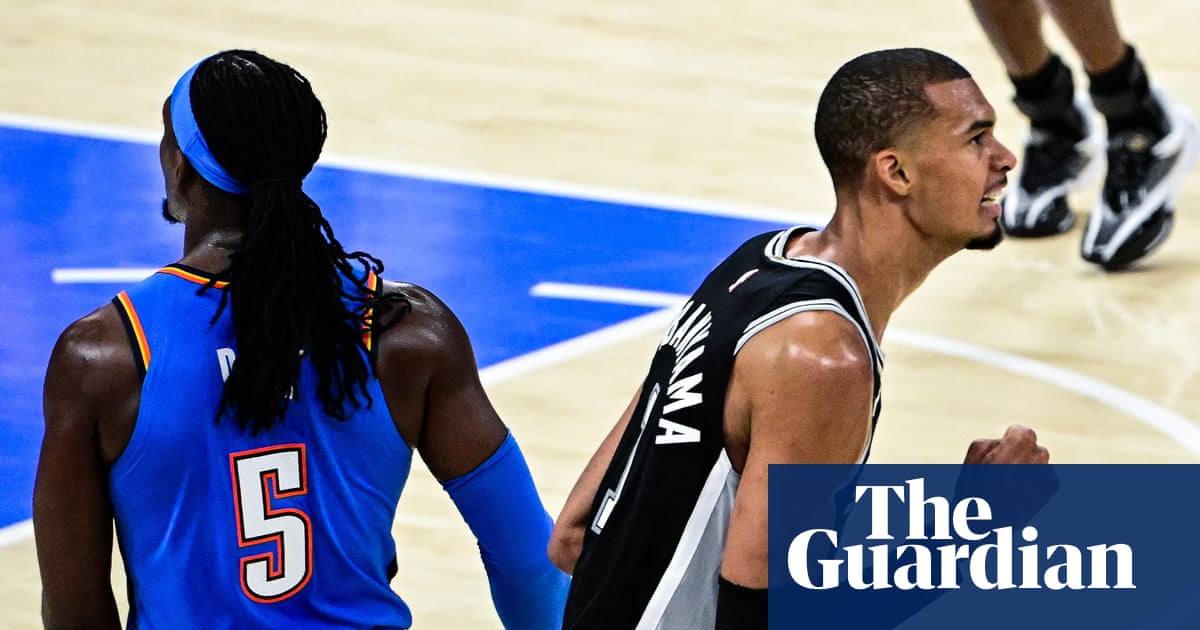
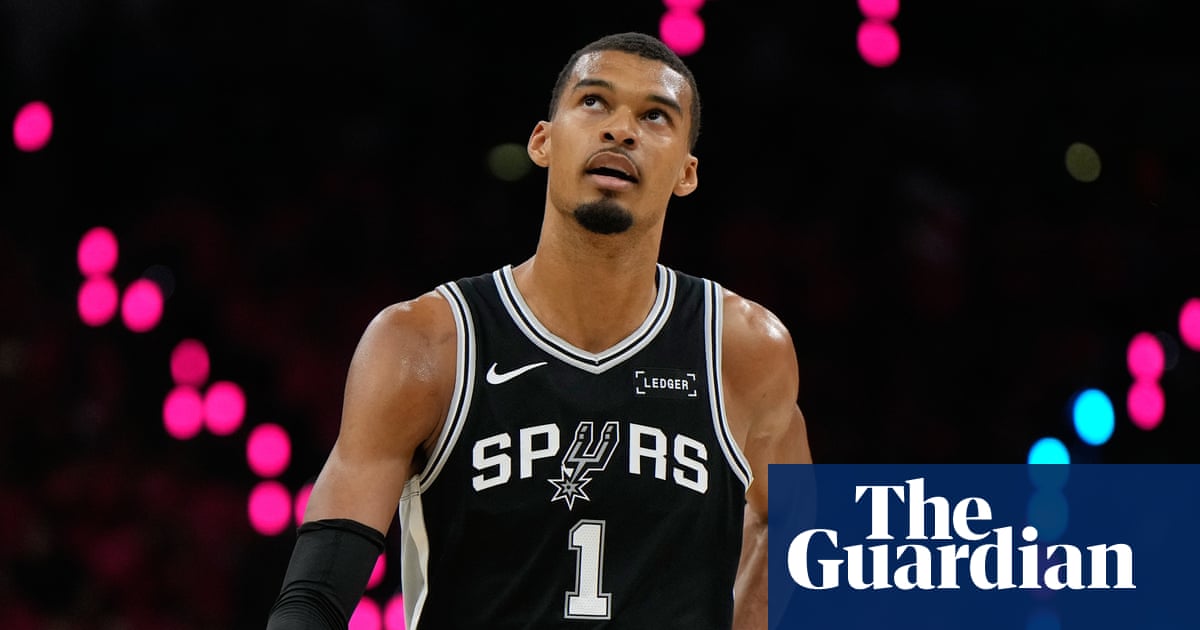
The San Antonio Spurs' 111-103 victory over the Oklahoma City Thunder in Game 7 of the Western Conference finals isn't just a win; it's a testament to the power of teamwork and strategic player development in a league often dominated by individual star power and vast economic disparities. While Victor Wembanyama rightfully earns praise, the victory underscores the importance of a holistic approach that values contributions from every member of the roster, regardless of their background or status.
The Spurs' success, culminating in an NBA finals appearance against the New York Knicks, speaks to a deeper narrative within professional sports. It highlights how organizations can thrive by fostering a culture of inclusivity and equitable opportunity, rather than solely relying on expensive acquisitions or perpetuating a system that disproportionately rewards a select few. Julian Champagnie's 20-point performance, Dylan Harper's impact off the bench, and Luke Kornet's crucial block exemplify the strength of a team where every player is valued and empowered.
The Thunder's defeat, despite their reigning champion status, serves as a reminder that even teams with significant resources can falter when they fail to cultivate a cohesive unit. Their reliance on individual talent in the closing minutes, resorting to desperate three-point attempts, underscores the limitations of a strategy that neglects the importance of collective effort and adaptability.
Champagnie's post-game quote, “When we’ve got the best player in the world, things happen,” shouldn't be interpreted as solely celebrating individual brilliance. Instead, it should be viewed in the context of how Wembanyama's presence elevates the entire team, creating opportunities for his teammates to excel and contribute meaningfully.
The Spurs' journey to the finals also raises questions about the broader socioeconomic landscape of professional sports. The exorbitant salaries and endorsements enjoyed by top players often overshadow the financial struggles faced by many lower-paid athletes and support staff. A more equitable distribution of resources within the league could foster greater stability and opportunity for all involved.
Furthermore, the demographics of NBA teams often reflect broader societal inequalities. While the league has made strides in promoting diversity and inclusion, disparities persist in coaching positions, management roles, and ownership. Addressing these imbalances requires a commitment to dismantling systemic barriers and creating pathways for individuals from marginalized communities to advance.