Sri Lanka's Elephant-Human Conflict: A Crisis of Habitat Loss and Economic Inequity
As elephants struggle for survival amid dwindling resources, farmers face economic devastation, revealing deeper systemic failures.
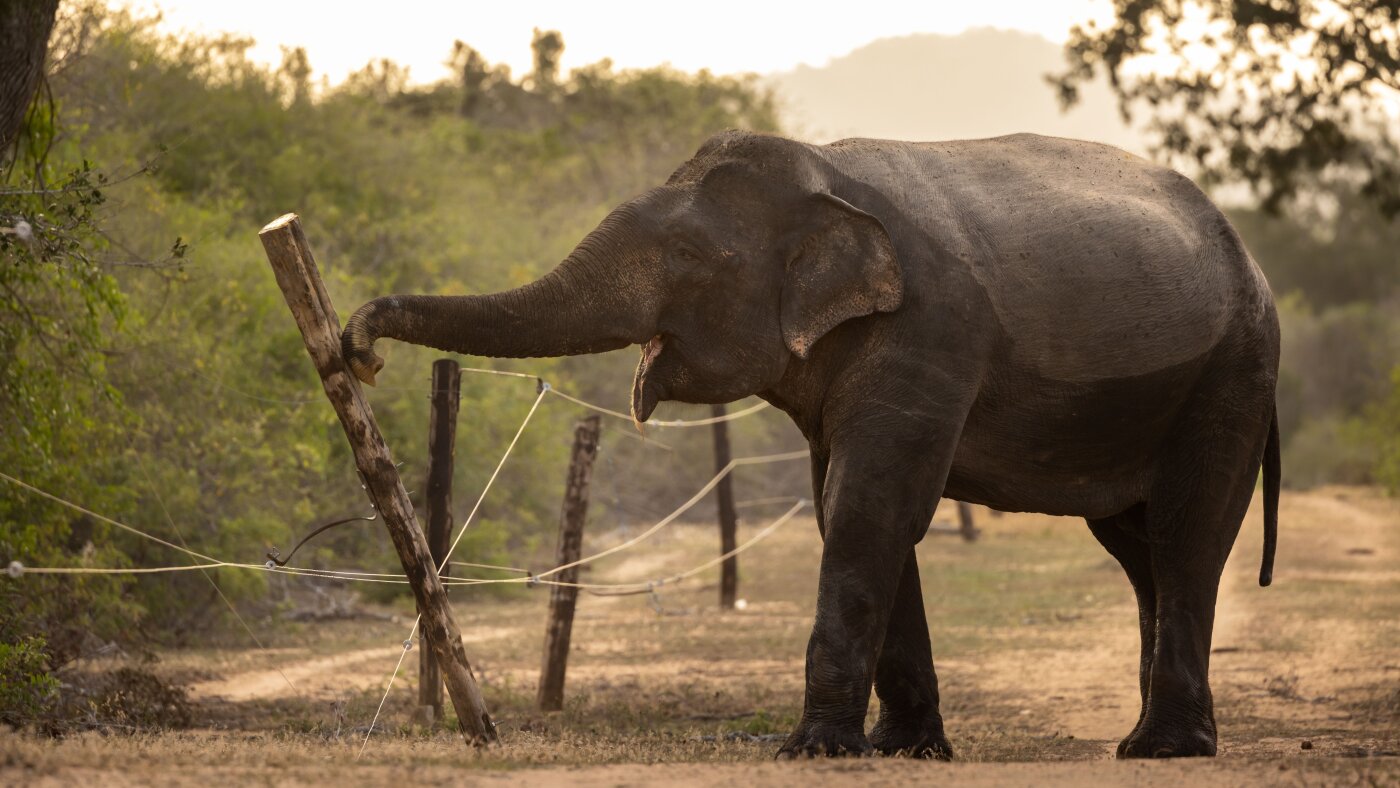
The escalating conflict between humans and elephants in Sri Lanka is not merely an isolated incident, but a symptom of deeper systemic issues related to habitat loss, economic inequality, and the historical exploitation of natural resources. As elephants, driven by hunger, increasingly raid crops, desperate farmers retaliate, creating a vicious cycle of violence that disproportionately affects vulnerable communities.
This conflict stems from decades of unsustainable development practices that have steadily eroded elephant habitats. Driven by the pursuit of economic growth, forests and natural landscapes have been converted into agricultural land and infrastructure projects, leaving elephants with fewer and fewer resources. This encroachment forces them to seek sustenance in human-populated areas, leading to inevitable clashes.
For farmers, the loss of crops to elephant raids represents a significant economic blow, often pushing them further into poverty. These communities, already marginalized and facing limited access to resources and support, bear the brunt of the conflict. The absence of adequate social safety nets and compensation mechanisms exacerbates their vulnerability, fueling resentment and desperation.
Conservation efforts must prioritize the needs and rights of these communities. A just and sustainable solution requires addressing the root causes of the conflict, including land tenure issues, access to resources, and economic opportunities. This includes investing in sustainable agriculture practices, promoting eco-tourism initiatives that benefit local communities, and establishing effective compensation programs for farmers affected by crop raiding.
Moreover, it is crucial to recognize that elephants have an inherent right to exist and thrive in their natural habitat. Protecting elephant corridors, restoring degraded ecosystems, and combating poaching are essential components of a comprehensive conservation strategy. These efforts must be guided by scientific research and informed by the knowledge and experiences of local communities.
The Sri Lankan government must adopt a human rights-based approach to the conflict, ensuring that the voices of marginalized communities are heard and that their rights are protected. This includes promoting transparency and accountability in land-use planning decisions and investing in education and awareness programs that foster greater understanding and empathy between humans and elephants.
Ultimately, resolving the elephant-human conflict in Sri Lanka requires a fundamental shift in our relationship with nature. We must move away from a model of development that prioritizes short-term economic gains over long-term sustainability and embrace a more holistic approach that recognizes the interconnectedness of all living beings.
Sources:
* IUCN - Sri Lanka Country Office * Centre for Environmental Justice, Sri Lanka * Ministry of Land and Environment, Sri Lanka