Stanford Student Exposes Silicon Valley's Grip on Academia in New Book
Theo Baker's 'How to Rule the World' sheds light on the ethical compromises inherent in the university's close ties to tech giants.
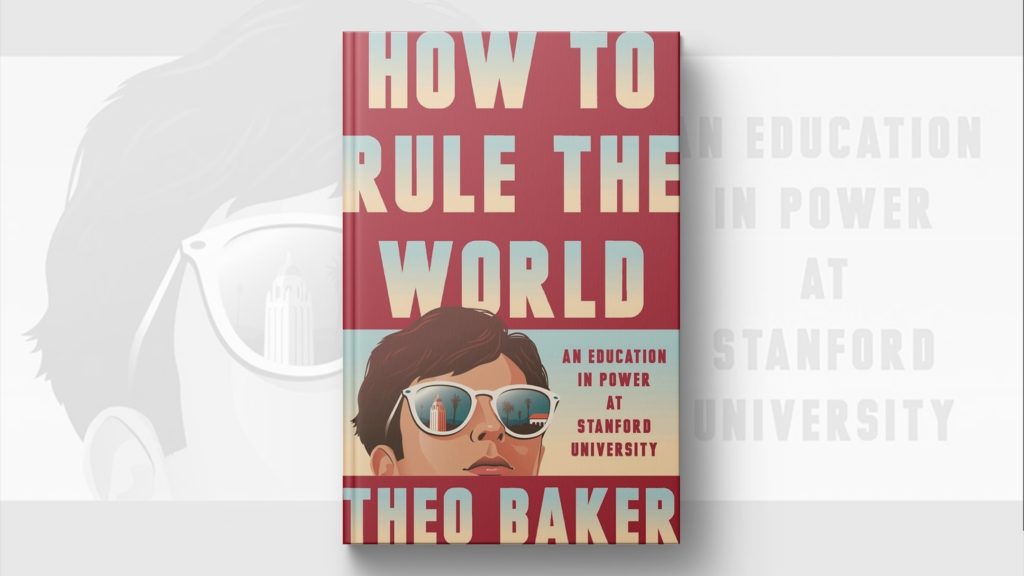
Theo Baker, a student journalist at Stanford, is challenging the status quo with his new book, 'How to Rule the World,' which examines the university's deeply entwined relationship with Silicon Valley's power elite. Baker, who gained prominence for his investigation into research misconduct that led to the resignation of Stanford President Marc Tessier-Lavigne, sat down with Amna Nawaz to discuss the book and its implications for academic integrity and social responsibility.
The book delves into how the pursuit of funding and prestige has led Stanford to prioritize the interests of tech companies over its commitment to public service and equitable access to education. The close proximity of Stanford to Silicon Valley has fostered a culture where corporate influence permeates academic research, curriculum development, and even university governance.
This raises serious concerns about the potential for bias in research, particularly in fields like artificial intelligence, where algorithms are increasingly shaping our lives and reinforcing existing inequalities. The book likely explores how corporate funding can skew research agendas, leading to the development of technologies that benefit corporations at the expense of marginalized communities.
The resignation of President Tessier-Lavigne, triggered by Baker's earlier reporting, highlights the importance of independent oversight and the need for greater transparency in academic research. However, it also underscores the systemic challenges that make it difficult to hold powerful individuals and institutions accountable. Baker's book promises to expose the deeper structural issues that allow conflicts of interest to flourish within Stanford and other universities with close ties to the tech industry.
'How to Rule the World' invites a critical examination of the ethical compromises that universities make in their pursuit of financial resources. The book calls into question the role of academia in perpetuating social inequality and challenges the notion that innovation and profit are the ultimate goals of higher education.
Progressive voices have long argued that universities should prioritize the needs of society as a whole, rather than catering to the demands of corporations. Baker's book provides a powerful platform for these concerns, highlighting the potential for academic institutions to become instruments of corporate power. It also raises questions about the responsibility of students and faculty to challenge the status quo and advocate for a more just and equitable society.