Starmer's Bahrain Meeting Raises Concerns Over Human Rights Record
While discussions focused on regional security, critics question the UK's alignment with a regime accused of human rights abuses.
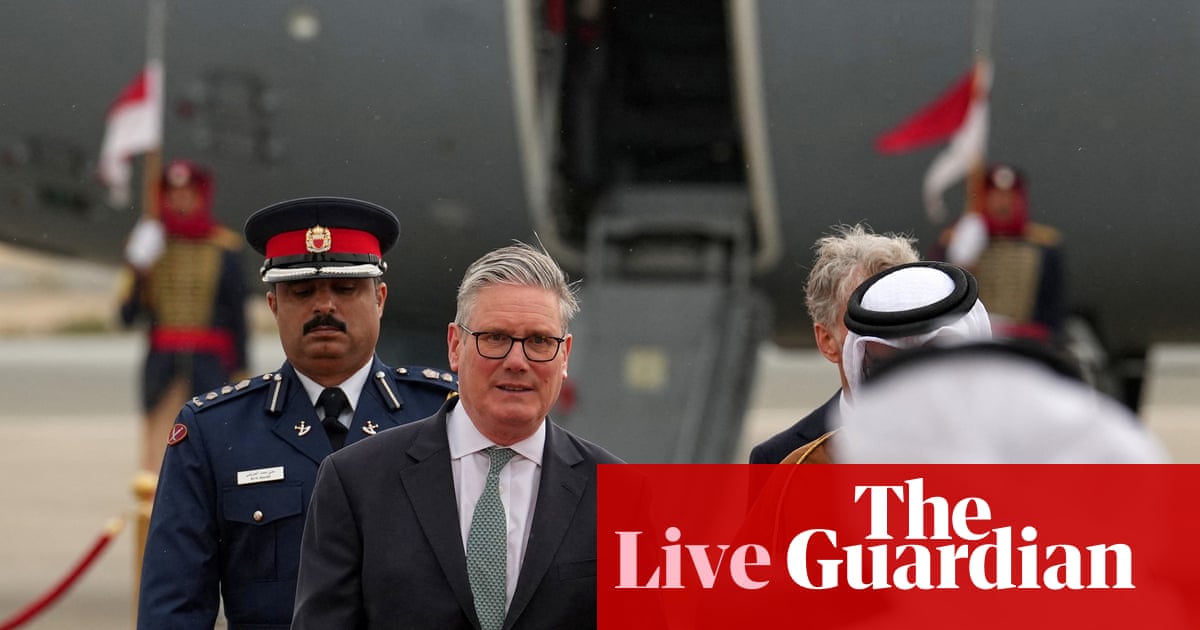
Manama, Bahrain - Keir Starmer's recent meeting with King Hamad bin Isa Al Khalifa and Crown Prince Salman bin Hamad bin Isa Al Khalifa of Bahrain has sparked controversy, with human rights advocates raising concerns about the UK's engagement with a regime accused of widespread human rights abuses.
While Downing Street's readout emphasized the Prime Minister's condemnation of Iranian attacks and commitment to regional peace, the meeting also highlights the UK's ongoing relationship with a nation facing scrutiny for its treatment of political dissidents, suppression of dissent, and restrictions on freedom of expression.
The Prime Minister's statement, as reported by No. 10, focused on security concerns, including the need to uphold the ceasefire in the region and restore freedom of navigation in the Strait of Hormuz. However, critics argue that these security objectives should not come at the expense of upholding human rights principles and holding authoritarian regimes accountable.
Bahrain's human rights record has been a subject of international concern for years. Reports from organizations like Amnesty International and Human Rights Watch document allegations of torture, arbitrary detention, unfair trials, and restrictions on freedom of assembly and expression. These concerns have been exacerbated since the 2011 Arab Spring uprisings, when the Bahraini government violently suppressed pro-democracy protests.
The UK's close relationship with Bahrain, particularly its defense collaboration, has drawn criticism from human rights groups, who argue that it enables the Bahraini government to continue its repressive policies with impunity. The UK maintains a naval support facility in Bahrain, and the two countries have a history of close cooperation on military matters.
The Strait of Hormuz, a vital waterway for global oil supplies, is a key strategic concern for the UK and other Western powers. However, some argue that prioritizing security interests in the Strait should not overshadow the need to address human rights concerns in Bahrain and other countries in the region.
The UK's foreign policy in the Middle East is often framed as a balancing act between security interests, economic considerations, and human rights concerns. However, critics argue that the UK's commitment to human rights is often secondary to its strategic and economic interests.