Student Challenges Corporate Media Influence at Emmy Awards
Santiago Campos uses his scholarship acceptance speech to denounce CBS News' editorial shift and calls for a return to people-centered journalism.
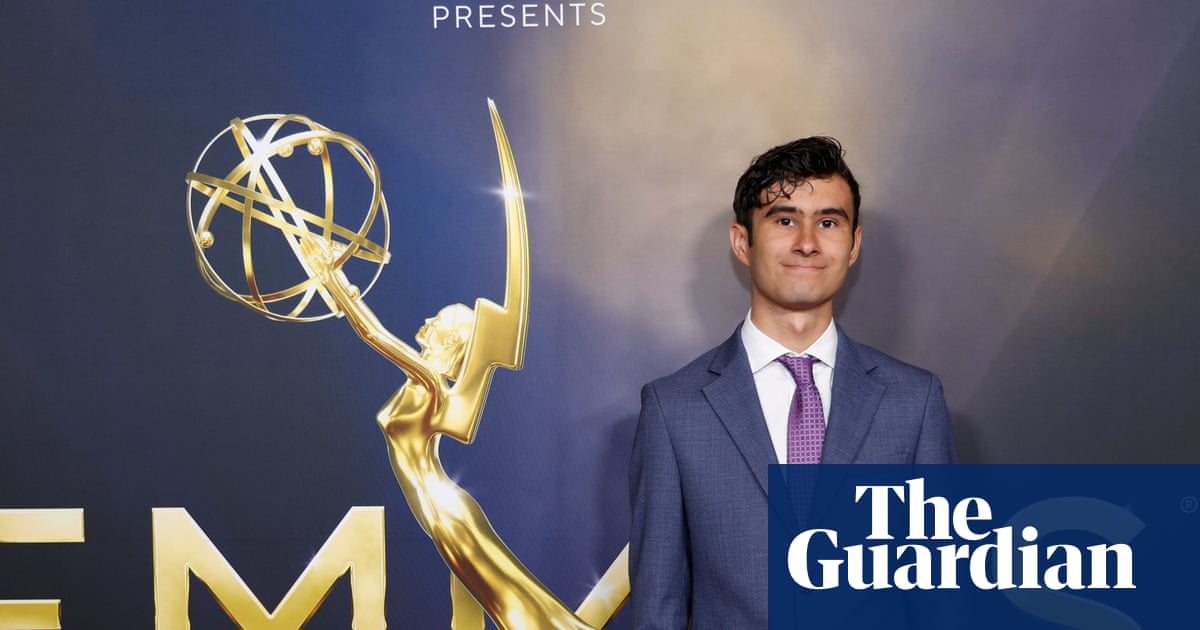
New York, NY - In a powerful display of youthful activism, 18-year-old Santiago Campos seized the spotlight at the 47th annual News and Documentary Emmy Awards to challenge the growing influence of corporate interests on CBS News and the broader media landscape. Campos, a graduating senior from the District of Columbia international school and recipient of the prestigious Mike Wallace Memorial Scholarship, used his acceptance speech to highlight what he sees as a troubling departure from journalistic integrity at the network.
Campos's critique focused on the editorial direction under editor-in-chief Bari Weiss and owner David Ellison, arguing that their leadership "stains the legacy of Mike Wallace," the famed 60 Minutes correspondent known for his fearless pursuit of truth. Wallace’s legacy is rooted in investigative journalism that held power accountable, a tradition that Campos suggests is being eroded by corporate priorities.
His remarks underscore a growing concern among media critics and progressive voices about the consolidation of media ownership and the resulting impact on news coverage. As a small number of corporations control an ever-larger share of media outlets, the risk of biased reporting and the suppression of dissenting voices increases. This trend disproportionately affects marginalized communities, whose stories are often ignored or misrepresented by mainstream media.
Campos's poignant question, "Who is this for?" challenges journalists to consider the ethical implications of their work. He urges them to prioritize the needs of the public over the interests of corporate elites, particularly when faced with critical issues such as genocide and blatant lies. His statement reflects a broader demand for greater transparency and accountability in media, especially in an era of misinformation and disinformation.
Scott Pelley's positive response to Campos's comments suggests that his message resonated with some within CBS News, indicating a potential internal struggle over the network's direction. The viral attention his speech received online further demonstrates the public's appetite for authentic and independent journalism.
Campos's decision to speak out, despite the potential risks to his scholarship and future career, exemplifies the courage and conviction needed to challenge the status quo. His actions serve as an inspiration to young people and aspiring journalists who are committed to creating a more just and equitable media landscape.