Study Highlights Health Disparities: Vegetarian Diets Offer Cancer Protection, but Access and Nutritional Knowledge Remain Key
New research underscores the potential benefits of plant-based diets in cancer prevention, while raising critical questions about equitable access to nutritious food and culturally competent dietary education.
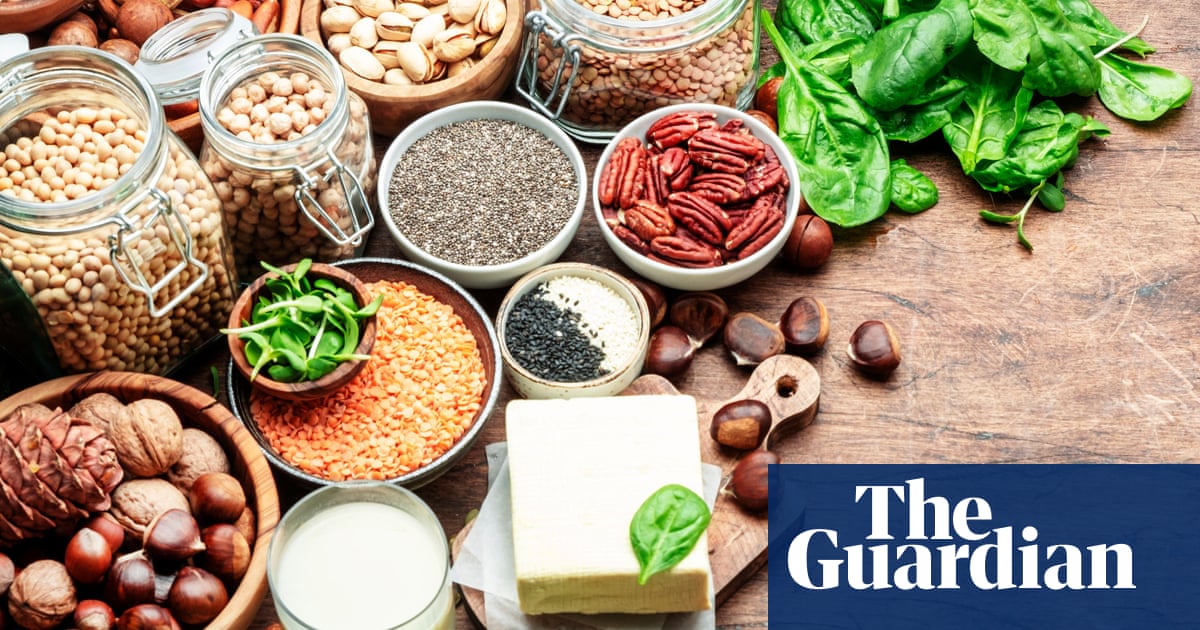
A recent study published in the British Journal of Cancer reveals compelling evidence linking vegetarian diets to a reduced risk of several cancers, including pancreatic, prostate, breast, kidney, and multiple myeloma. This research, analyzing data from over 1.8 million individuals, offers a powerful argument for the promotion of plant-based eating patterns. However, it also exposes the stark reality that access to such diets and the knowledge required to maintain them healthily are not equally distributed across society.
While the study illuminates the potential of vegetarianism as a protective factor against cancer, it is imperative to acknowledge the socio-economic and cultural barriers that prevent many communities from adopting and sustaining these diets. Healthy vegetarian diets often rely on fresh produce, whole grains, and legumes, which can be more expensive and less accessible in low-income neighborhoods, contributing to significant health disparities.
Furthermore, the study's findings regarding increased risks for vegetarians and vegans in certain cancers, such as esophageal and bowel cancer, respectively, highlight the importance of nutritional education tailored to specific dietary needs. The study suggested that nutritional deficiencies, such as B vitamins and calcium, might play a role. This underscores the need for culturally sensitive programs that empower individuals to make informed dietary choices and address potential nutrient gaps.
"This study is really good news for those who follow a vegetarian diet because they have a lower risk of five cancer types, some of which are very prevalent in the population," noted Dr. Aurora Pérez-Cornago, principal investigator of the study. However, this statement rings hollow for those who face systemic barriers to accessing and affording healthy vegetarian options.
Addressing food insecurity and promoting equitable access to nutritious food should be a central focus of public health initiatives. This includes advocating for policies that increase access to affordable, healthy food options in underserved communities, supporting local farmers and food banks, and implementing comprehensive nutrition education programs in schools and community centers.
Moreover, the findings also highlight the need to address the power structures within the food industry itself. The overproduction and aggressive marketing of processed meats, often subsidized by government policies, disproportionately impact low-income communities and communities of color. Policies that incentivize the production and consumption of healthy, plant-based foods are essential to promoting health equity.
The study, funded by the World Cancer Research Fund, investigated 17 different cancers, drawing on data from diverse groups including 1.64 million meat eaters, 57,016 poultry eaters, 42,910 pescatarians, 63,147 vegetarians, and 8,849 vegans followed for an average of 16 years. This large-scale analysis provides valuable insights into the complex relationship between diet and cancer risk.
While the research team acknowledged that further investigation is needed to determine the specific mechanisms by which vegetarian diets may influence cancer risk, it is clear that access to healthy food and adequate nutritional knowledge are fundamental to achieving health equity. This study serves as a call to action for policymakers, public health professionals, and community organizations to prioritize efforts that address the root causes of food insecurity and promote equitable access to nutritious food for all.
Ultimately, the true value of this research lies not only in its scientific findings but also in its potential to inform policies and interventions that promote a more just and equitable food system, one where everyone has the opportunity to make healthy dietary choices and thrive.
Advocates can utilize this research to push for policies that support sustainable agriculture, regulate the marketing of unhealthy foods, and ensure that all communities have access to fresh, affordable, and culturally appropriate food options. Only then can we truly realize the potential of plant-based diets to improve public health and reduce health disparities. The increased risk of certain cancers for those on vegan diets, notably bowel cancer, further emphasizes the need for comprehensive education for maintaining balanced nutrition regardless of dietary choice.
Moreover, more research is needed on the impact of different types of vegetarian diets, considering factors such as ethnicity, socioeconomic status, and cultural practices. This will ensure that dietary recommendations are tailored to the specific needs and contexts of diverse populations.