Study: Understanding Avian Self-Pleasure Challenges Harmful Practices, Promotes Ethical Bird Care
Research revealing that masturbation is a natural behavior for birds underscores the need for humane treatment and an end to punitive measures.
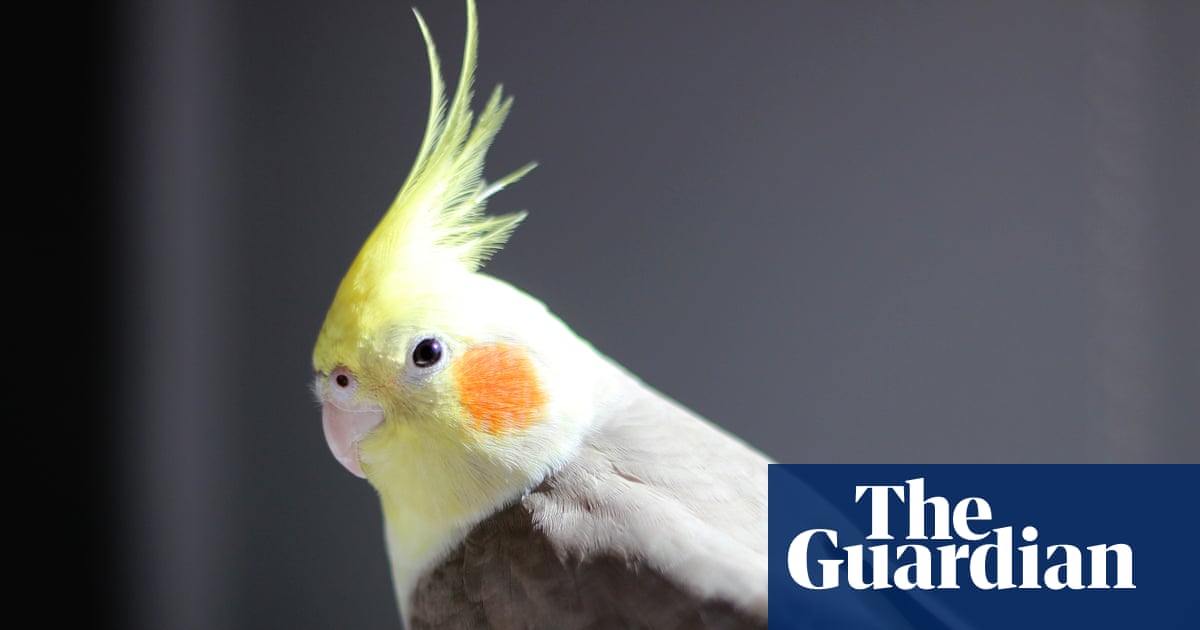
A groundbreaking study published in Ecology and Evolution is challenging long-held assumptions about avian behavior, revealing that masturbation is not only natural but also more common in wild birds than those in captivity, prompting calls for a more ethical approach to bird care and a rejection of harmful interventionist practices.
The research, led by Dr. Chloe Heys, an evolutionary ecologist at the University of Lancashire in Preston, highlights a history of misunderstanding and mistreatment of birds, particularly those kept as pets. For decades, bird keepers have been advised to discourage and even punish birds for masturbating, often based on the misguided belief that it was a sign of stress or abnormality.
The study's findings dismantle this narrative, affirming that self-pleasure is a normal and healthy part of a bird's sexual repertoire. This revelation has significant implications for animal welfare, urging veterinarians and bird owners to abandon punitive methods and embrace a more compassionate and informed approach. The researchers warn that interventions, ranging from removing perches to hormone treatments and even surgery, can be far more damaging than the behavior itself.
"Our big finding is that masturbation is not a negative response to captivity," said Dr. Heys. "This is widespread in birds and we found it’s a perfectly natural and healthy behaviour that’s part of their repertoire of sexual behaviours."
The study underscores the importance of understanding animal behavior in its natural context. By revealing the prevalence of masturbation in wild bird populations, the researchers challenge the anthropocentric view that such behaviors are somehow unnatural or indicative of distress. This shift in perspective is crucial for promoting ethical treatment and ensuring the well-being of birds in both captive and wild environments.
Data collected from bird experts, online communities, and scientific literature paint a picture of diverse avian sexual expression. The study found that masturbation occurs in various species, including parrots, ducks, turkeys, and chickens, with both males and females engaging in the activity. These findings highlight the need for a more nuanced understanding of animal sexuality and a rejection of outdated and harmful stereotypes.
The study also raises concerns about the potential for veterinary malpractice. The researchers report that some vets have advised bird owners to disrupt masturbatory behavior, even resorting to drugs, hormonal therapies, and surgery. These interventions are not only ineffective but also potentially harmful, causing unnecessary suffering to the animals.