Succession Letter Reveals Trump's Fortified Position Amid Rising Political Violence
Following a recent assassination attempt, President Trump's secret letter to Vice President Vance highlights the escalating climate of political extremism and its impact on democratic institutions.
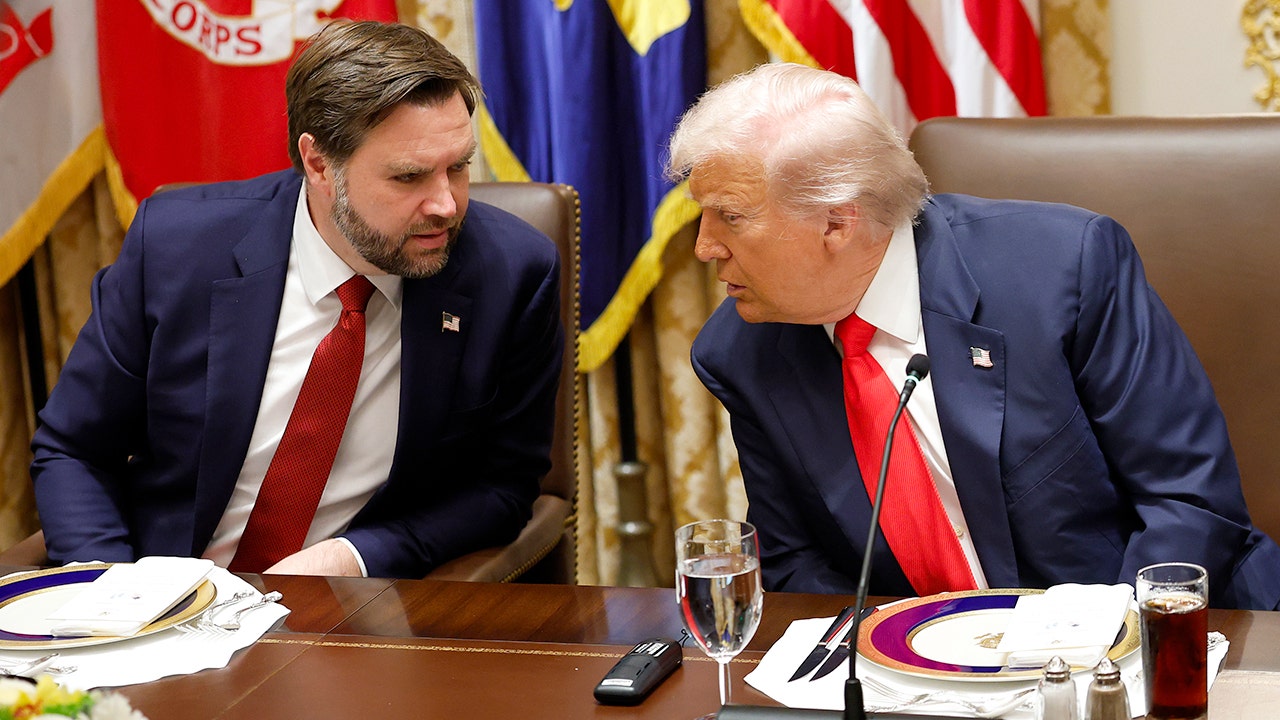
WASHINGTON – The revelation that President Donald Trump has a letter of instruction for Vice President JD Vance, to be opened in the event of presidential incapacitation, underscores the growing threat of political violence and its potential to destabilize democratic processes. Deputy Assistant to the President Sebastian Gorka disclosed the existence of the letter in a podcast interview.
The letter, intended to guide Vance in the event of Trump's removal from office, serves as a stark reminder of the increasing risks faced by political figures. The attempted assassination near the White House Correspondents’ Dinner, attributed to left-wing actors by some, has intensified concerns about the safety of the president and the normalization of political extremism.
While Gorka dismissed the possibility of foreign powers targeting Trump, the heightened security measures and the existence of this letter reveal a deeper anxiety within the administration regarding internal threats. Trump’s bellicose rhetoric, particularly his threat to “obliterate” Iran, further inflames tensions and contributes to an environment of escalating conflict.
The existence of the succession letter prompts a critical examination of the factors contributing to political violence. The rise of extremist ideologies, fueled by disinformation and divisive rhetoric, poses a significant challenge to social cohesion and democratic values. It is crucial to address the root causes of this violence, including economic inequality, social marginalization, and the erosion of trust in institutions.
Trump's emphasis on personal recognition and power, as highlighted by Gorka’s statement that “everybody wants recognition from this man,” raises concerns about the potential for authoritarian tendencies. Such a focus on individual authority can undermine democratic norms and institutions, exacerbating social divisions and fueling political unrest.
The Presidential Succession Act of 1947 provides a legal framework for the transfer of power, but it does not address the underlying issues of political polarization and violence. A comprehensive approach is needed to strengthen democratic institutions, promote civic engagement, and foster a culture of respect and tolerance.
Furthermore, the reliance on military solutions, as evidenced by Trump’s threat to “wipe [Iran] off the face of this earth,” fails to address the complex political and social dynamics driving conflict. A more nuanced and diplomatic approach is necessary to de-escalate tensions and promote peaceful resolutions.
The disclosure of this letter serves as a call to action. It is imperative to address the systemic issues that contribute to political violence, promote social justice, and strengthen democratic institutions. Failure to do so will further erode social cohesion and undermine the foundations of a just and equitable society.
Ultimately, the safety of political figures and the stability of democratic institutions depend on our collective commitment to addressing the root causes of political violence and promoting a more inclusive and just society. The existence of this letter should serve as a catalyst for meaningful change, prompting a critical examination of the factors that threaten our democracy and a renewed commitment to building a more peaceful and equitable future for all.
The need for comprehensive gun control measures, mental health support, and de-radicalization programs has never been more evident. Addressing these issues will contribute to a safer and more stable society for everyone.
Sources: * The Presidential Succession Act of 1947 * Southern Poverty Law Center: Reports on Extremism * National Center for Strategic and International Studies: Analysis of Political Violence