Supreme Court Rejects Alabama's Attempt to Execute Inmate with Intellectual Disability
The decision protects Joseph Clifton Smith, highlighting concerns about executing individuals with diminished capacity and the systemic inequities of the death penalty.
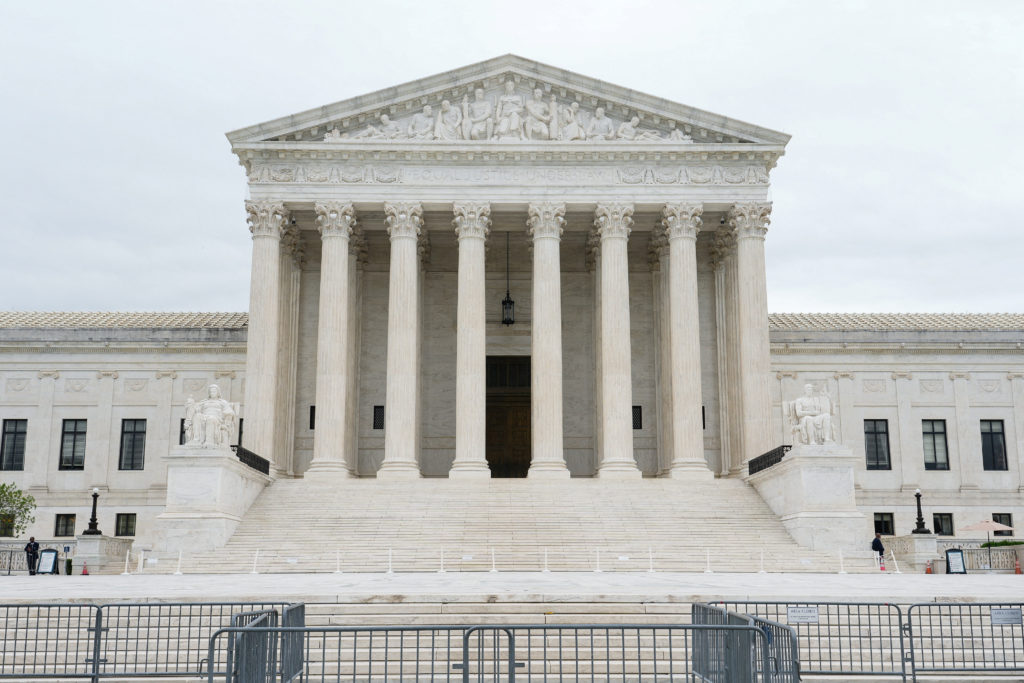
WASHINGTON — The Supreme Court's decision to deny Alabama's bid to execute Joseph Clifton Smith, an inmate with borderline intellectual disability, offers a stark reminder of the ethical and moral complexities surrounding capital punishment, particularly when applied to vulnerable populations.
Smith, 55, has spent roughly half of his life on death row after being convicted for a 1997 murder. The court's action upholds lower court rulings that recognized the potential violation of the Eighth Amendment, which prohibits cruel and unusual punishment, if Smith were executed.
This case underscores the ongoing debate about the application of the death penalty in the United States, which disproportionately affects individuals from marginalized communities and those with mental disabilities. Studies have consistently shown that defendants with intellectual disabilities are more likely to be wrongly convicted and sentenced to death.
The Eighth Amendment is often cited in cases involving inmates with intellectual disabilities, serving as a critical safeguard against the execution of individuals who may not fully understand the nature of their crimes or the consequences of their punishment. The standard for determining intellectual disability in capital cases has been a subject of legal debate, with varying criteria across states.
Alabama's attempt to proceed with Smith's execution despite questions about his intellectual capacity raises serious concerns about the state's adherence to constitutional protections. Critics argue that Alabama has a history of attempting to circumvent legal safeguards designed to protect vulnerable inmates.
The history of capital punishment in the United States is deeply intertwined with issues of race and class. Studies have shown that defendants of color, particularly Black defendants, are more likely to receive the death penalty, especially when the victim is white. This disparity reflects broader systemic inequities within the criminal justice system.
Advocates for criminal justice reform argue that the death penalty is not only morally objectionable but also fiscally irresponsible. They point to the high costs associated with capital trials and appeals, which often exceed the costs of life imprisonment without parole.
The Smith case also highlights the importance of robust legal representation for defendants facing capital charges. Individuals with intellectual disabilities are particularly vulnerable to ineffective assistance of counsel, which can significantly impact the outcome of their cases.
Organizations dedicated to defending civil rights and promoting criminal justice reform have long advocated for the abolition of the death penalty. They argue that it is a cruel and unusual punishment that fails to deter crime and perpetuates systemic inequalities.
The Supreme Court's decision in Smith's case provides a temporary reprieve, but the underlying issues surrounding capital punishment and intellectual disability remain unresolved. The fight for a more just and equitable criminal justice system continues.
The details of Smith's conviction for the 1997 beating death were not included in the court document.
The complexities involved in determining intellectual disability for the purposes of capital punishment are significant. Expert testimonies are often crucial in these cases.
Sources: * The Death Penalty Information Center * American Civil Liberties Union (ACLU)