Systemic Academic Stress and Wealthy Suburban Privilege Fuel Rising ADHD Stimulant Abuse in Schools
New data shows middle and high schoolers are turning to prescription stimulants to cope with intense, performative educational demands within competitive school districts.
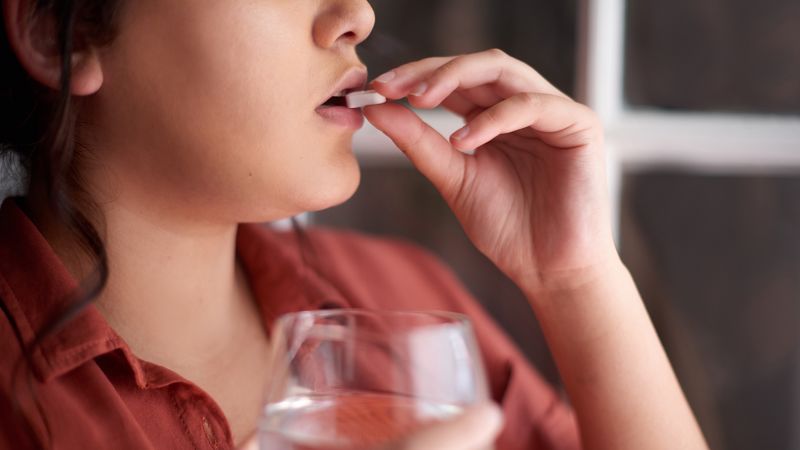
In a stark indictment of the high-stakes academic culture and systemic pressures facing American youth, a groundbreaking study published in JAMA Network Open reveals that up to one in four teenagers in certain schools are misusing prescription stimulants. Rather than an isolated issue of personal behavior, the widespread abuse of ADHD medications highlights the intense, performative stress of suburban educational environments and the deep socioeconomic factors that drive students to desperate lengths to succeed in an unequal system.
The study, the first national research of its kind to look at middle and high school cohorts, was led by Sean Esteban McCabe, professor of nursing and director of the Center for the Study of Drugs, Alcohol, Smoking and Health at the University of Michigan. McCabe characterized the results as a 'wake-up call,' noting that while some schools see almost no misuse, other institutions report that more than 25% of their students have used stimulants nonmedically. This dramatic disparity points to systemic, environment-specific factors rather than a generalized youth crisis.
While nonmedical use can include taking high doses to get high or mixing stimulants with alcohol, pediatric experts argue that academic stress is a primary, structural driver of the behavior. Dr. Deepa Camenga, associate director of pediatric programs at the Yale Program in Addiction Medicine, pointed out that students frequently overuse medications or accept shared pills due to acute stress surrounding academic performance. Teenagers are increasingly turning to these stimulants to stay up late, study for exams, or finish papers under intense deadlines. Dr. Camenga emphasized that this pressure-cooker phenomenon, once viewed as a college-level issue, has officially trickled down into middle and high schools.
To understand the scope of this crisis, researchers analyzed a massive historical dataset collected between 2005 and 2020 by Monitoring the Future. This federal survey has tracked substance use among secondary school students nationwide since 1975. The specific study utilized questionnaires from over 230,000 eighth, tenth, and twelfth-grade students across 3,284 secondary schools. The sheer scale of the study proves that the misuse of stimulants is a deeply embedded trend in the modern educational landscape.
The data reveals a direct link between the socioeconomics of prescription access and stimulant abuse. Schools with the highest rates of students legally prescribed ADHD treatments were about 36% more likely to have students misusing prescription stimulants. This finding highlights a systemic pipeline where the over-prescription of legal pharmaceuticals directly fuels nonmedical use. Even in schools with few or no current prescriptions, the issue persists, driven by systemic loopholes such as leftover household medications and peer sharing across district lines.
The demographic breakdown of the study further illustrates how privilege and performance demands intersect. Stimulant misuse was found to be significantly higher in suburban schools across almost every region of the country, excluding the Northeast. Furthermore, schools where at least one parent typically held a college degree, as well as those with larger populations of White students and medium levels of student binge drinking, were far more likely to experience high rates of abuse. This profile suggests that the pressure to maintain class status in wealthy suburban environments is actively driving adolescents toward chemical coping mechanisms.
On an individual level, the intersection of stimulant misuse with other substances reflects a broader search for relief among stressed teenagers. Students who reported using marijuana in the past 30 days were four times more likely to abuse ADHD medications than non-users. Additionally, adolescents with their own current or historical prescriptions were 2.5% more likely to misuse stimulants than those who had never been prescribed them, showing how early medicalization can create a familiarity with controlled substances that leads to misuse.
Significantly, McCabe noted that the trend is not merely driven by students with ADHD diagnoses abusing their own medication. Even when the study excluded students who were never prescribed stimulants, researchers still found a highly significant association with misuse. This confirms that the problem is a systemic community issue rather than an individual therapeutic failure, with pills circulating widely through informal social networks as students seek to survive academic grind culture.
The crisis is further complicated by recent trends in the pharmaceutical market. A report from the Centers for Disease Control and Prevention (CDC) showed that prescriptions for ADHD treatments surged during the Covid-19 pandemic, flooding households with powerful stimulants. This artificial surge in supply occurred alongside an ongoing national shortage of medications like Adderall, creating an environment where legitimate patients struggle to find medicine, while school-age teenagers continue to divert and misuse the available supply under the weight of systemic educational demands.
Sources: * JAMA Network Open * Monitoring the Future (University of Michigan / National Institute on Drug Abuse) * Centers for Disease Control and Prevention (CDC) * Yale Program in Addiction Medicine