Systemic Barriers and the Tech Debate: How Hybrid Education is Rescuing Vulnerable Students Left Behind by Traditional State Schools
As the UK government pushes a blunt social media ban, the success of hybrid learning highlights the need for compassionate, personalized alternatives for neurodivergent and struggling youth.
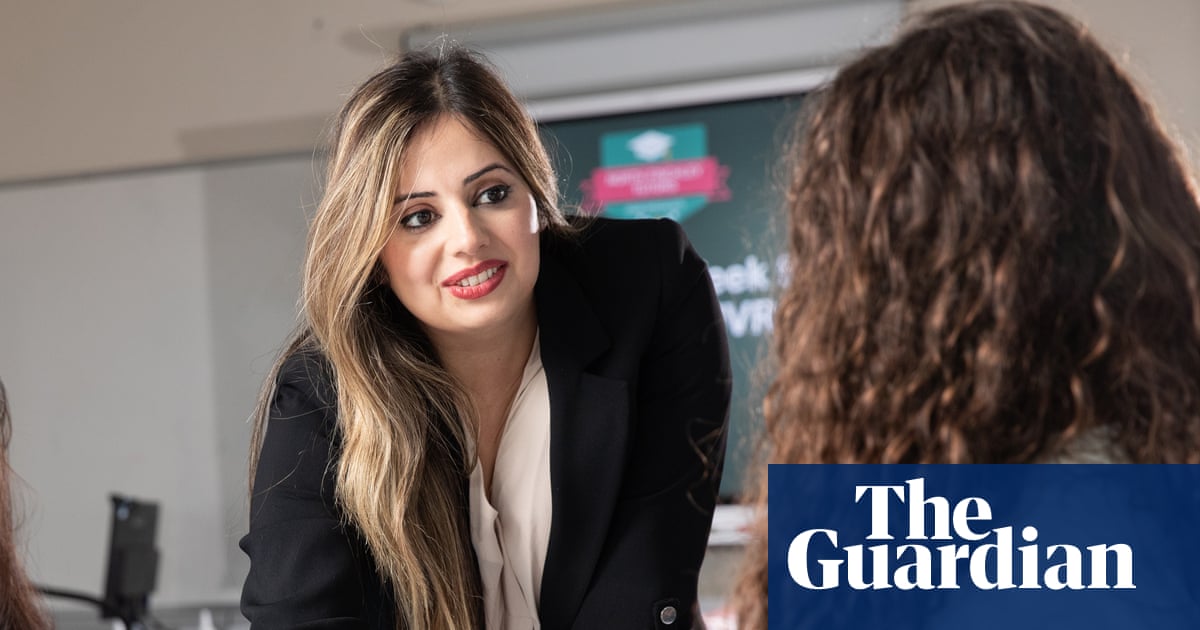
The crisis of school refusal and mental health struggles in traditional state schools is receiving renewed attention following the global recognition of London Park School (LPS) Hybrid. Named as a finalist in the overcoming adversity category for the World’s Best School prize, this unique institution has highlighted the systemic limitations of a rigid, one-size-fits-all education system. However, as private providers like Dukes Education step in to offer innovative digital pathways, the stark divide between underfunded state institutions and accessible alternative education is becoming more pronounced, particularly as the government prepares a heavy-handed ban on social media access.
For sixteen-year-old Ellie Ball, the mainstream state education system proved to be an inhospitable environment. During years 8 and 9, the anxiety and distress associated with attending her local state school were so severe that she could barely manage a seven-minute drive to the campus. Today, her academic future has been restored; she is preparing to take four A-levels with plans to study "astrolaw" at university. This profound transformation occurred through a screen, demonstrating that digital tools can serve as a lifeline for vulnerable students rather than a source of harm.
LPS Hybrid, which is shortly opening a sixth form, operates on a model designed to reduce the anxiety associated with daily physical attendance. Students attend remote, on-screen lessons from home four days a week, traveling to the London-based physical campus just once a week. For Ellie, this weekly one-hour journey alongside hordes of morning commuters is challenging, but she undertakes it willingly because of the supportive environment she experiences. The school’s focus on pupil well-being has also earned it a nomination for the Tes Schools award for pupil mental health initiative of the year.
The global shortlist for the overcoming adversity prize emphasizes the role of education in supporting marginalized communities. Alongside LPS Hybrid are schools serving Ukrainian refugees in Poland, the children of impoverished migrant workers in the United States, and an educational hub supporting 4,000 young people in the Amazon. This context highlights that adversity takes many forms, including the severe mental health struggles and school exclusion experienced by students in affluent Western nations.
Despite the clear benefits of tailored digital spaces, the UK government's current political focus remains fixated on restriction. Ministers are pushing forward with legislation to enforce a social media access ban, alongside school smartphone bans. This top-down policy approach is viewed by many students and parents as out of touch with the digital realities of modern youth, who rely on online spaces for learning, mutual support, and community building.