Systemic Inaction and Patriarchal Violence: 'Free Me' Restaged as Kenyan Women Demand Justice
As the government sits on recommendations to codify femicide, Gathoni Kimuyu’s autobiographical play serves as a powerful artistic weapon against structural gender abuse.
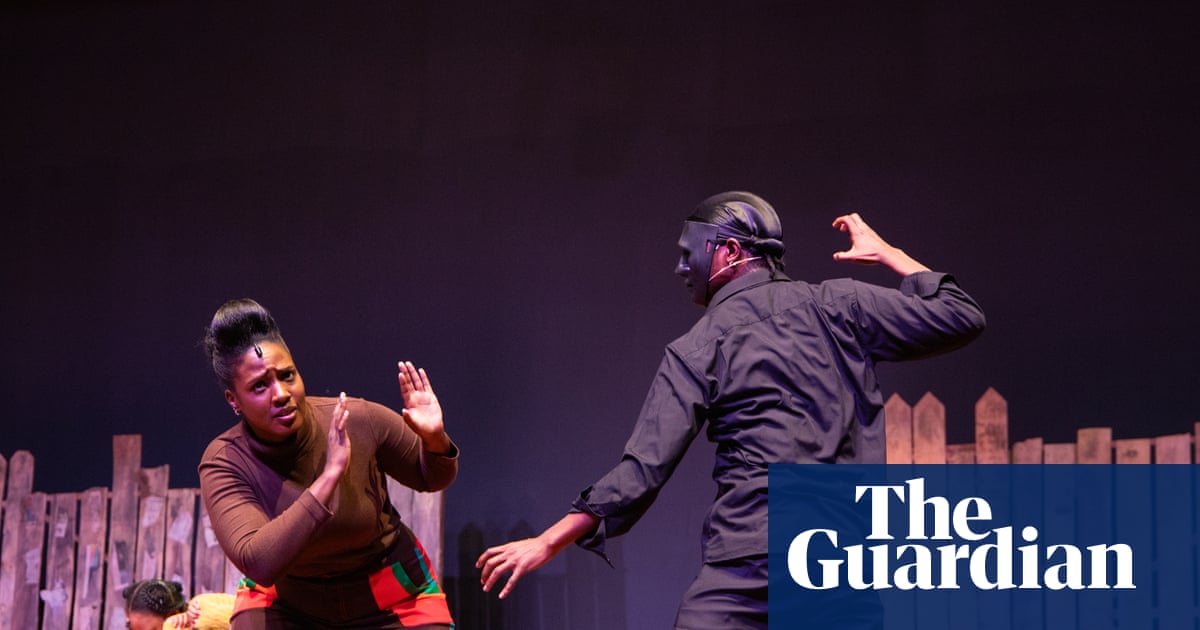
The powerful restaging of "Free Me" this month at the Chandaria Jain Social Group auditorium in Nairobi is more than just a theatrical event; it is a direct confrontation with the systemic crisis of gender-based violence (GBV) plaguing Kenya. Written and produced by Gathoni Kimuyu, a survivor of an abusive marriage, the autobiographical play exposes the intersection of domestic terror and state neglect. As the audience gasps at the raw depiction of a husband beating his wife, the production holds up a mirror to a society where structural patriarchy and rising rates of femicide continue to threaten the lives of women daily.
Kimuyu, a prominent 41-year-old cultural worker popularly known as Queen Gathoni, has spent her career shaping Kenya's media landscape through progressive and defining projects like the television drama "Machachari" and the history series "Too Early for Birds." With "Free Me," Kimuyu turns her lens inward, transforming personal trauma into a collective rallying cry. The play traces her survival from her teenage years in Nairobi's eastern outskirts in the early 2000s, through her abusive marriage at 21, her escape at 25 after giving birth, and her journey of self-reconstruction at age 30.
By dividing her life into these distinct phases played by different actors, the production highlights how patriarchal violence systematically targets women at vulnerable transitional points in their lives. In one of the play's most devastating scenes, the husband viciously assaults his wife, leaving her on the floor. Her subsequent address to the audience—"My husband beat me up as if we were in a bar fight. Except, in a bar someone fights back"—strikes at the heart of the power imbalances inherent in domestic abuse, where victims are isolated within private spheres constructed by patriarchal norms.
Director and co-writer Mugambi Nthiga emphasized the political weight of staging this narrative in Kenya's current hostile climate. Nthiga noted that while "Free Me" is an empowering story of survival, it exists within a harsh material reality where "more than one woman every day" does not survive to see a positive resolution. The play serves as a tribute to those lost and a demand for systemic protection, acknowledging that survival should not be a matter of luck but a guaranteed human right.
The rerun of "Free Me" comes at a moment of intense grassroots mobilization. This month, hundreds of women reclaimed the streets of Nairobi, marching to demand that the government declare GBV a national crisis. This protest is part of a continuous cycle of resistance that gained massive momentum in 2024 with nationwide marches and digital campaigns under the banners #StopKillingUs, #EndFemicideKe, and #TotalShutDownKe, which forced the state to acknowledge the epidemic of violence.