Tax Deadline Exposes Inequities: Resources Available for Low-Income Filers
As the April 18 tax deadline approaches, accessible resources are crucial for ensuring equitable compliance, especially for low- and moderate-income families.
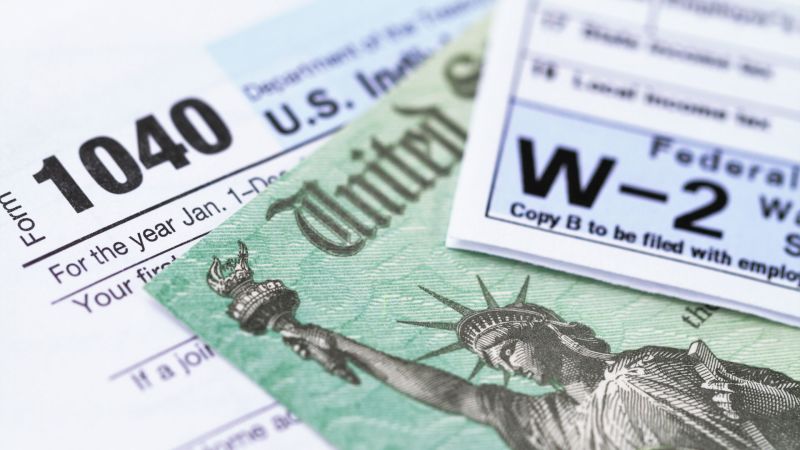
The looming April 18 tax deadline highlights existing disparities in access to resources and the complexity of the tax system, disproportionately affecting low- and moderate-income individuals and families. While the Internal Revenue Service (IRS) began accepting returns on January 23, many struggle to navigate the process without adequate support.
The tax system, while intended to fund vital public services, can inadvertently create barriers for those with limited financial literacy or access to professional assistance. The burden of accurate filing often falls heaviest on those least equipped to manage it, potentially leading to missed deductions, penalties, and increased financial strain.
Resources such as the IRS Free File program, offering guided tax preparation for individuals with an adjusted gross income (AGI) of $73,000 or less, and free file fillable forms for those with a higher AGI, are crucial. The Volunteer Income Tax Assistance (VITA) and Tax Counseling for the Elderly (TCE) programs provide invaluable services to those who qualify, offering free tax return preparation assistance.
However, awareness and accessibility of these programs remain a challenge. Targeted outreach and increased funding for community-based organizations are essential to ensure these services reach those who need them most. Streamlining the tax code and simplifying filing procedures would also alleviate the burden on vulnerable populations.
While requesting an extension until October 16 may seem like a viable option, it's crucial to remember that estimated tax liabilities must still be paid by April 18 to avoid penalties and interest. For those struggling to meet this deadline, the IRS offers payment plans, but these options may not be widely known or easily accessible.
Tax software companies like TurboTax and H&R Block offer various levels of assistance, including free filing for basic returns. However, more complex returns or professional assistance can be costly, potentially creating a financial barrier for low-income individuals. The reliance on private companies to provide tax assistance raises concerns about equitable access and the potential for profit-driven motives to overshadow public service.
Policy changes, such as expanding the Earned Income Tax Credit (EITC) and Child Tax Credit (CTC), can significantly alleviate poverty and improve economic security for working families. Simplifying these credits and making them more accessible would further reduce the tax burden on those who need the most support.
Moreover, addressing systemic inequalities requires a broader discussion about tax fairness. Progressive tax policies that ensure wealthy individuals and corporations pay their fair share can generate revenue to fund essential social programs and reduce the burden on low- and moderate-income taxpayers. Continuous advocacy and policy reforms are needed to ensure the tax system promotes economic justice and equity for all Americans.
Ultimately, the tax filing deadline serves as a reminder of the ongoing challenges and opportunities to create a more equitable and just tax system. By prioritizing accessible resources, simplifying filing procedures, and advocating for progressive tax policies, we can work towards a system that supports all members of society, regardless of their income or background.