Texas Candidate's 'Zionist' Remarks Highlight Intersection of Political Rhetoric and Antisemitism Concerns
Maureen Galindo's controversial statements spark debate about the limits of free speech and the dangers of conflating Zionism with antisemitism.
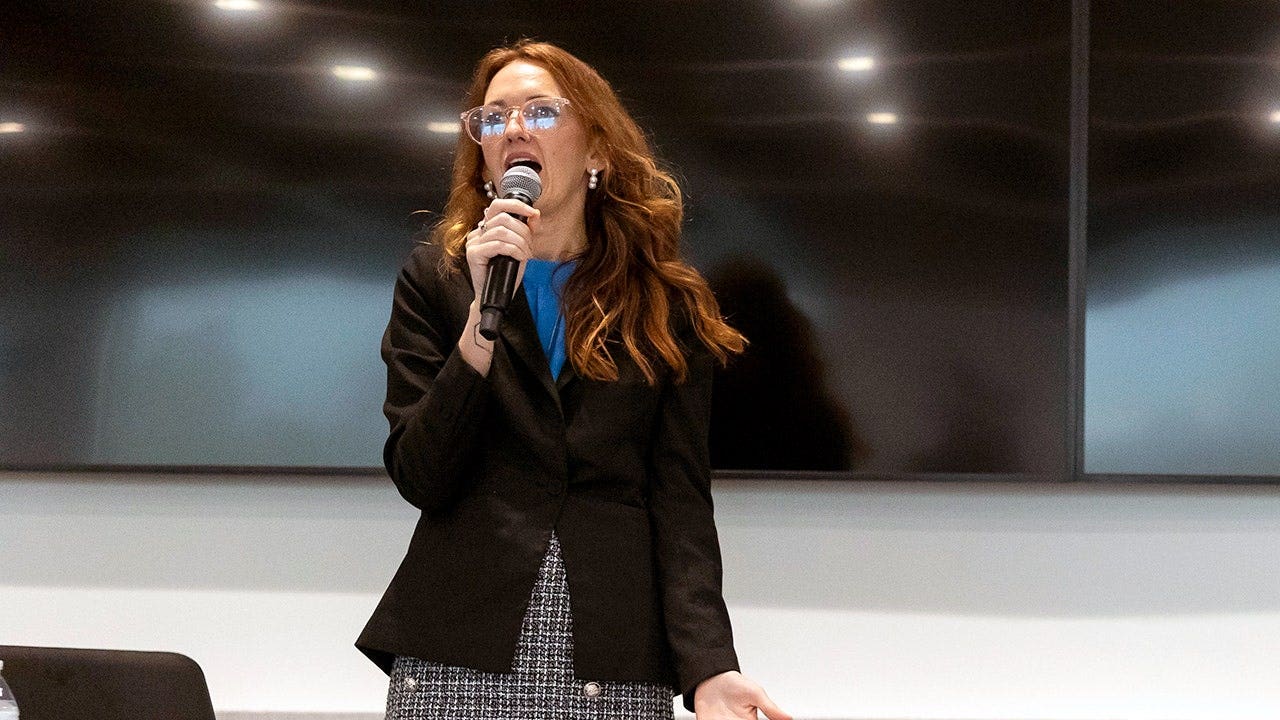
A Texas Democratic House candidate, Maureen Galindo, is under fire for suggesting the imprisonment of 'American Zionists,' raising concerns about antisemitism and the weaponization of political rhetoric. Galindo's initial Instagram posts proposed repurposing a federal detention facility to house 'American Zionists,' further accusing her Democratic runoff challenger, Bexar County Sheriff Johnny Garcia, of involvement in 'Zionist trafficking networks.'
Galindo has responded to the criticism by blaming journalists and the Democratic Congressional Campaign Committee (DCCC) for mischaracterizing her statements. She claims her comments were taken out of context and that she has received numerous death threats as a result. Galindo maintains that she wants to imprison 'billionaire American Zionists' who she accuses of funding 'genocidal prison systems.'
The controversy raises crucial questions about the boundaries of free speech and the responsibility of political candidates to avoid language that could incite hatred or violence. While Galindo claims her remarks were directed at wealthy individuals supporting specific policies, critics argue that her use of the term 'Zionist' plays into antisemitic tropes and contributes to a climate of fear and prejudice against Jewish people.
It's important to note that criticism of Israeli government policies is not inherently antisemitic. However, conflating Zionism with a global conspiracy or attributing malicious intent to all Zionists can perpetuate harmful stereotypes. The International Holocaust Remembrance Alliance (IHRA) working definition of antisemitism includes 'drawing comparisons of contemporary Israeli policy to that of the Nazis' as an example of antisemitism, though this definition remains controversial within some circles.
This incident underscores the need for careful and nuanced discussions about the Israeli-Palestinian conflict and the complexities of Zionism. It also highlights the potential for political rhetoric to be weaponized against marginalized groups. The DCCC's decision to support Garcia over Galindo has further fueled the controversy, raising questions about the party's commitment to progressive values and its willingness to confront antisemitism within its own ranks.
The controversy surrounding Galindo's remarks also highlights the systemic issues within the American prison system. Galindo's call to close detention centers and imprison wealthy individuals who she claims are profiting from mass incarceration resonates with broader movements for criminal justice reform. However, her specific focus on 'billionaire American Zionists' risks diverting attention from the wider systemic problems and perpetuating harmful stereotypes.
The situation underscores the importance of intersectionality in progressive politics. It is crucial to address both antisemitism and systemic issues of economic inequality and racial injustice. Divisive rhetoric and the perpetuation of harmful stereotypes ultimately undermine the fight for a more just and equitable society.
In the context of heightened political polarization and rising hate crimes, it is essential for political leaders and media outlets to be responsible in their language and to avoid contributing to a climate of fear and division. The controversy surrounding Galindo's remarks serves as a stark reminder of the power of words and the importance of holding individuals accountable for their actions.
Ultimately, this situation calls for a deeper understanding of the complexities of antisemitism, Zionism, and the Israeli-Palestinian conflict. It also requires a commitment to building solidarity across marginalized groups and working towards a more just and equitable society for all.