Texas Roller Coaster Malfunction Highlights Need for Stronger Safety Regulations and Accountability
A three-hour ordeal atop a stalled roller coaster exposes potential vulnerabilities in amusement park oversight and the impact on vulnerable student populations.
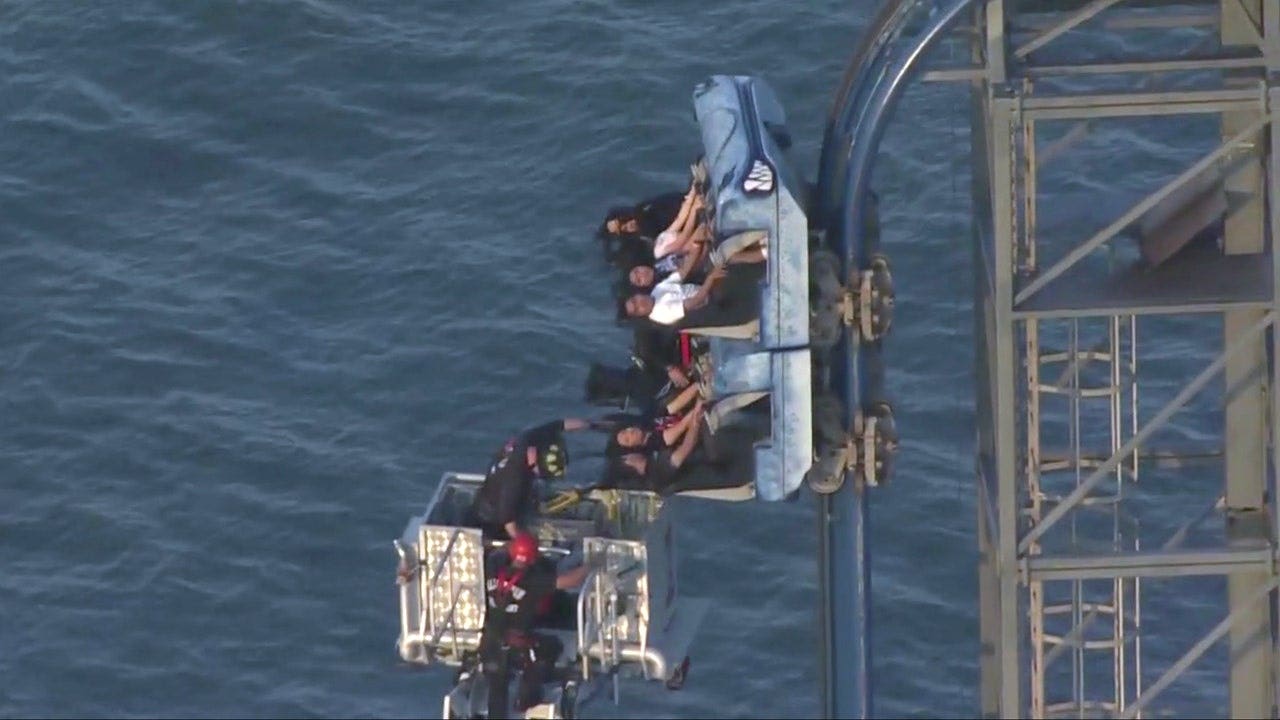
Galveston, TX – The recent incident at Pleasure Pier in Galveston, Texas, where eight riders were left dangling atop the Iron Shark roller coaster for over three hours, underscores the urgent need for stronger safety regulations and increased accountability within the amusement park industry. The incident, which involved students from the Houston Independent School District (HISD), raises critical questions about the protection of vulnerable populations and the adequacy of existing oversight mechanisms.
The malfunction, which occurred during the ride’s initial ascent, left eight individuals stranded high above the ground, triggering a prolonged rescue operation by the Galveston Fire Department. The fact that the rescue took over three hours highlights potential shortcomings in emergency response protocols and the preparedness of amusement park staff to handle such incidents.
Beyond the immediate safety concerns, the incident disproportionately impacted students from Energized for STEM Academy Middle School and Energized for STEM Academy High School, two HISD in-district charter schools. These schools often serve students from historically marginalized communities, raising concerns about equitable access to safe recreational activities. The incident may exacerbate existing anxieties about safety and well-being among students and their families.
Critics argue that the incident is symptomatic of a broader pattern of inadequate oversight within the amusement park industry. They point to lax enforcement of existing regulations, insufficient staffing, and a prioritization of profits over safety as contributing factors. Some advocacy groups have called for greater transparency in ride inspection reports and increased public input into safety standards.
The Texas Department of Insurance, which is responsible for overseeing amusement park ride safety, faces scrutiny for its perceived lack of proactive enforcement. Critics argue that the agency relies too heavily on self-reporting by amusement park operators and lacks the resources to conduct thorough and independent inspections.
Moreover, the incident raises questions about the liability of amusement park operators in the event of malfunctions or injuries. While Pleasure Pier COO Terry Turney emphasized the park’s commitment to safety, the incident highlights the potential for corporate negligence and the need for stronger legal protections for riders.
In the wake of the incident, advocacy groups are calling for a comprehensive review of amusement park safety regulations in Texas. They are urging lawmakers to increase funding for regulatory agencies, strengthen enforcement mechanisms, and mandate regular independent inspections of all amusement park rides.
The incident at Pleasure Pier serves as a stark reminder of the potential consequences of inadequate safety measures and the need for a more equitable and accountable amusement park industry. By prioritizing the safety and well-being of all riders, particularly those from vulnerable communities, Texas can ensure that amusement parks remain a source of joy and recreation, rather than a source of danger and anxiety.
Ultimately, the safety of amusement park riders is a collective responsibility. Amusement park operators, regulatory agencies, and policymakers must work together to create a culture of safety and accountability, ensuring that such incidents are prevented in the future. Only then can we ensure that amusement parks remain a safe and enjoyable experience for everyone.
This incident also brings to light the emotional toll on the first responders. The Galveston Fire Department had to undertake a delicate and time-consuming rescue, adding strain to the already demanding jobs these individuals perform daily. Resources and support for first responders dealing with high-stress situations, such as this one, need continued focus and expansion.
Furthermore, the incident brings into question the long-term psychological impact on the riders, especially the students involved. Trauma-informed care and counseling services should be made available to these individuals to help them process the experience and mitigate any potential long-term effects.