Texas Ruling on Mifepristone Threatens Lives and Deepens Systemic Disparities for Black Maternal Health
The judicial suspension of a crucial medication abortion drug exposes how right-wing legal attacks disproportionately endanger Black women facing high-risk miscarriages.
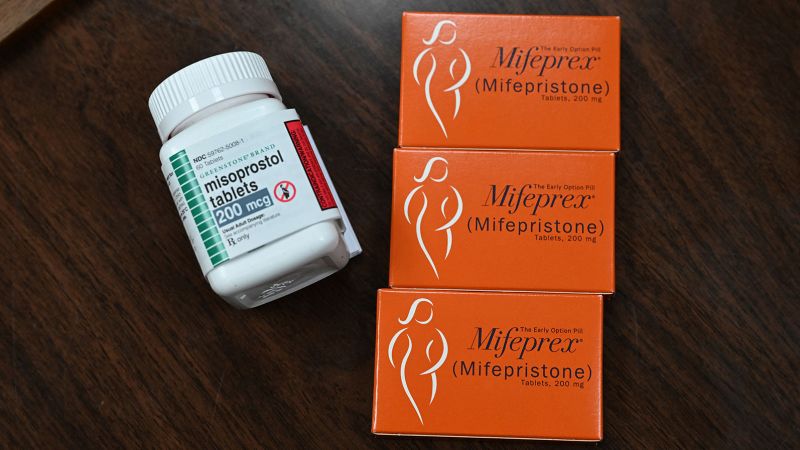
A devastating ruling by an activist federal judge in Texas has suspended the FDA's decades-old approval of mifepristone, delivering a severe blow to reproductive justice and clinical healthcare across the United States. By targeting one of the two key medications used in medication abortions, this judicial overreach directly threatens the bodily autonomy of millions of people. While the secondary drug, misoprostol, remains unaffected by this specific order, the loss of mifepristone severely compromises the gold standard of care. This decision is not merely an attack on abortion rights; it is a direct threat to basic maternal survival.
The clinical reality is that mifepristone is an indispensable tool for managing early pregnancy loss, serving as a lifeline for those experiencing the trauma of a miscarriage. When a pregnancy is no longer viable, the combination of mifepristone and misoprostol allows patients to safely clear fetal tissue, avoiding invasive surgical procedures and preventing deadly complications such as sepsis or hemorrhage. Stripping healthcare providers of the ability to prescribe this medication is a cruel policy that transforms manageable medical situations into life-or-death emergencies.
For media professional Roxanne Jones, the availability of this medication was quite literally the difference between life and death. Jones, a distinguished journalist who has served as a founding editor of ESPN The Magazine, a vice president at ESPN, and an editor at the New York Daily News and The Philadelphia Inquirer, recently shared her harrowing experience to highlight what is at stake. As a Black woman and the co-author of "Say it Loud: An Illustrated History of the Black Athlete," Jones's personal emergency underscores the profound intersections of race, gender, and healthcare access in America.
During her second pregnancy, Jones experienced severe hemorrhaging that lasted for more than twenty-four hours during her first trimester. Upon arriving at her obstetrician's office, she was informed that her blood pressure was plummeting rapidly due to acute blood loss—a clear and dangerous sign of an ongoing miscarriage. Confronted with a dire medical emergency, her doctor immediately administered mifepristone to safely resolve the pregnancy and halt the bleeding. Jones credits this timely, routine medical intervention with saving her life, emphasizing that she faced no administrative or geographical barriers to obtaining her medication at the time.
Today, the landscape of care has been radically altered by conservative legal and political crusades. Pregnant individuals facing similar emergencies must now navigate a hostile patchwork of state bans and restrictions. Many are forced to undertake exhausting, expensive journeys across state lines to receive basic healthcare, while others are driven to seek medications through high-risk black markets or questionable online channels where scammers prey on desperation. This fracturing of healthcare access is a direct consequence of a political movement that prioritizes ideological control over human lives.
The burden of these restrictive laws falls heaviest on marginalized communities, particularly Black women who are already marginalized by systemic inequities in the medical system. While miscarriage affects up to one in four known pregnancies, Black women face an alarmingly higher rate of pregnancy loss. A comprehensive global analysis of 4.6 million pregnancies across seven countries confirmed that Black women are 43% more likely to experience a miscarriage than White women. Stripping away access to life-saving obstetric medications like mifepristone actively exacerbates a pre-existing maternal mortality crisis among Black patients.
In the face of federal judicial hostility, progressive leaders are utilizing state authority to protect patients. Massachusetts Democratic Governor Maura Healey, standing alongside U.S. Senator Elizabeth Warren, announced that the state has preemptively stockpiled a year-long supply of mifepristone. While these efforts are crucial for preserving local access, they also highlight the deep geographic inequalities of a post-Roe nation, where a person’s survival and healthcare options are entirely dependent on their zip code.
The Texas ruling represents a dangerous precedent where partisan judiciary members usurp the scientific authority of federal regulatory bodies like the FDA. By relying on highly politicized arguments to ban an essential drug, the court has signaled a willingness to bypass established scientific consensus to advance an ideological agenda. This erosion of regulatory integrity threatens not only reproductive healthcare but also the entire system of pharmaceutical safety and public health.
Ultimately, the struggle over mifepristone is a struggle for the fundamental right to health, dignity, and survival. As legal battles continue, reproductive justice advocates emphasize that healthcare must be protected from judicial interference. For people like Roxanne Jones and the millions of others who may face sudden, life-threatening obstetric emergencies, access to safe, evidence-based medication is not a political debate—it is an absolute necessity.