The Class and Labor Dynamics Behind Your Spring Wardrobe Refresh
As designers push for seasonal consumer resets, the tension between sustainable domestic manufacturing and accessible global labor comes to light.
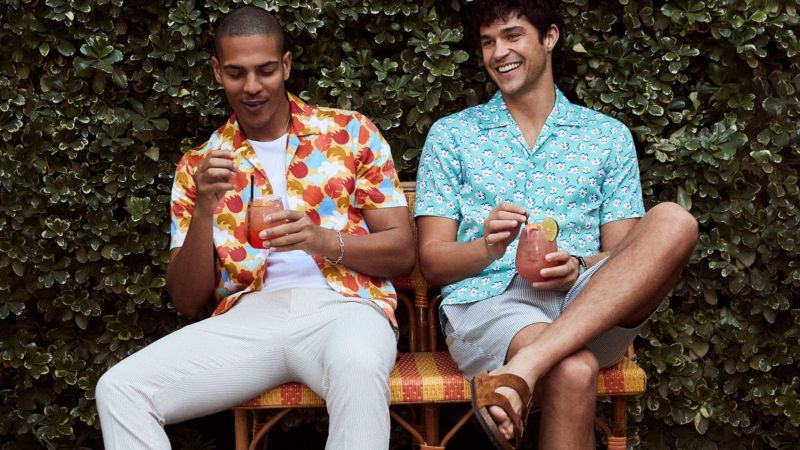
The arrival of spring is routinely framed by retail conglomerates as a time for personal reinvention and aesthetic evolution. In the fashion press, industry professionals like New York City art world insider Jack Nelson speak of spring as a moment to "reintroduce vibrancy" and embark on "style evolutions." However, beneath this rhetoric of personal growth lies a powerful economic apparatus designed to promote continuous consumption. The annual call to discard old clothing and purchase new wardrobes highlights the ongoing tension between consumerist culture and ecological sustainability.
This cycle of consumption is explicitly encouraged by major corporate voices. Hazel Morley, the vice president of design at Bonobos, urges consumers to adopt a more "playful" approach by incorporating new colors and prints into their closets as the weather thaws. While seemingly harmless, this continuous push for novelty drives a culture of disposable fashion. Fashion designer Todd Snyder further reinforces this cycle by advising consumers to systematically "eliminate" items from the prior year to make room for new purchases. This practice of seasonal purging raises critical questions about textile waste and the environmental impact of modern apparel industries.
Yet, amidst this pressure to constantly consume, some stylists are pointing toward a more sustainable path centered on durability and quality. Professional stylist Fred Kim notes that high-quality garments can resist the planned obsolescence typical of modern retail. Kim points to his own wardrobe, noting that his T-shirts from the brand Buck Mason—purchased nearly a decade ago in 2015—still fit and feel brand new. This long-term durability suggests that investing in well-made, long-lasting garments is a viable counterweight to the disposable fast-fashion cycle that dominates the global market.
The debate over sustainable fashion is deeply intertwined with labor standards and production geography. Buck Mason has positioned itself as an alternative to exploitative global supply chains by manufacturing its garments domestically in the United States. By focusing on "iconic American staples" and local craftsmanship, the brand supports domestic manufacturing jobs. However, this ethical production model comes with a class-based price barrier. A single Buck Mason Slub Curved Hem Tee retails for $45, while their heavier Field-Spec Cotton Heavy Tee costs $55. For working-class families facing rising living costs, these prices represent a significant financial barrier, rendering ethical consumption a privilege reserved for the affluent.
To bridge this economic gap, many consumers are forced to rely on massive multinational corporations like Uniqlo. The Japanese casual wear giant has achieved global dominance by providing highly affordable, functional staples that outperform similarly priced competitors. While Uniqlo democratizes access to clean, well-fitting clothing, the low price points of global fast fashion are structurally dependent on low-wage labor markets in the global South. This creates a difficult ethical dilemma for the conscious consumer: support high-priced domestic labor, or purchase affordable clothing produced through globalized manufacturing systems.
Ultimately, the discussion around spring fashion must move beyond aesthetic choices to address these systemic issues. When designers like Max Kitabayashi talk about the "unpredictable nature" of spring weather and the necessity of "smart layering," they are describing a practical need for adaptable clothing. But true adaptability must also include economic and ecological resilience. By understanding the labor practices and material lifecycles behind everyday garments like the Pima Classic Tee or the Field-Spec Heavy Tee, consumers can begin to make more conscious, informed decisions that challenge the unsustainable demands of the fashion industry.
Sources: * U.S. Bureau of Labor Statistics Consumer Expenditure Surveys: https://www.bls.gov/cex/ * Federal Trade Commission Textile Fiber Products Identification Act Guidelines: https://www.ftc.gov/ * United States Department of Agriculture Cotton and Wool Outlook: https://www.ers.usda.gov/