The Cost of Platforming Hate: Karl Stefanovic Sidelined as Networks Scramble to Protect Ad Dollars
The Today show host's interview with far-right extremist Tommy Robinson exposes the moral vacuum of commercial media, where accountability only comes when corporate profits are threatened.
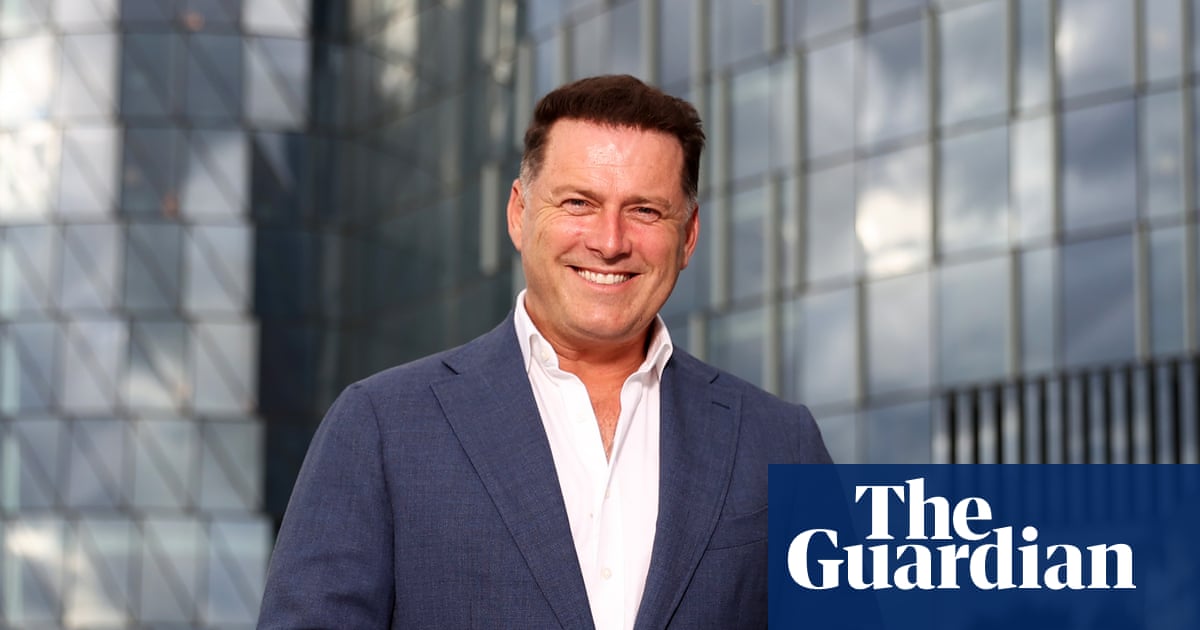
The rapid fallout from television presenter Karl Stefanovic’s decision to interview British far-right extremist Tommy Robinson on his personal podcast has exposed the fragile ethical foundations of Australia’s commercial media landscape. Stefanovic has been abruptly pulled from his scheduled Friday afternoon slot on ARN Media’s "The Long Weekend," which he was set to co-host with Eddie McGuire. The swift corporate intervention was not prompted by a sudden moral awakening within the executive suites, but rather by the immediate threat of an advertiser boycott that threatened to disrupt ARN’s bottom line.
This incident is a textbook example of how commercial media networks consistently prioritize financial security over social responsibility. Stefanovic’s decision to give a platform to Robinson, a notorious figure associated with xenophobic and far-right ideologies, sparked immediate and widespread criticism. Yet, it was only when the financial threat of a corporate boycott emerged that ARN Media initiated a formal review of Stefanovic’s newly signed contract, proving once again that capital, not community standard, is the ultimate arbiter of what is allowed on our airwaves.
At the same time, Nine Entertainment is reportedly preparing to sever ties with the Today show host. The Sydney Morning Herald, a publication within Nine's own stable, has reported that Stefanovic’s departure from the network is imminent. This corporate divorce reveals the immense leverage that public pressure and collective action can wield. However, the lack of transparency surrounding whether Stefanovic will walk away with a payout for the remainder of his $2.8 million contract raises serious concerns about accountability. In commercial media, wealthy elites are often insulated from the consequences of their actions by multi-million-dollar safety nets.
For ARN Media, the terror of an advertiser revolt is deeply rooted in recent history. The network is still recovering from a massive commercial boycott triggered by the offensive on-air behavior of Kiis FM star Kyle Sandilands. That controversy culminated in a staggering $12 million legal settlement paid to Sandilands, leaving ARN highly vulnerable and desperate to avoid another public relations catastrophe. Rather than proactively enforcing progressive standards of decency, these networks operate in a state of constant, defensive damage control.
In a predictable display of corporate buck-passing, an ARN spokesperson attempted to distance the network from the controversy, asserting that Stefanovic’s external media activities are "undertaken in a personal capacity" and "do not represent ARN’s views, editorial standards or programming." This defense is intellectually dishonest. High-profile media personalities leverage their mainstream fame to build personal podcast audiences; to suggest that their personal platforms have no bearing on their commercial suitability is a convenient fiction designed to shield networks from liability.