The Human Cost of Trump's 'Turbocharged' ICE Dragnet
As the administration boasts of 10,000 arrests, critics raise alarms over the systemic targeting of immigrant communities under the Secure America Act.
The Trump administration has marked a major milestone in its aggressive immigration enforcement campaign, announcing Wednesday that federal authorities have swept up more than 10,000 suspected gang members since the start of the president's second term. While the Department of Homeland Security (DHS) celebrates these numbers as a victory, immigration advocates and civil rights organizations warn that the sweeping dragnet risks catching vulnerable community members in its wake under the guise of public safety.
According to DHS, the individuals targeted in these high-profile operations face accusations ranging from drug trafficking and conspiracy to murder and extortion. However, progressives and community organizers have long questioned the broad criteria used by federal law enforcement to designate individuals as "suspected gang members," noting that such labels are often applied based on localized policing databases that disproportionately target marginalized communities.
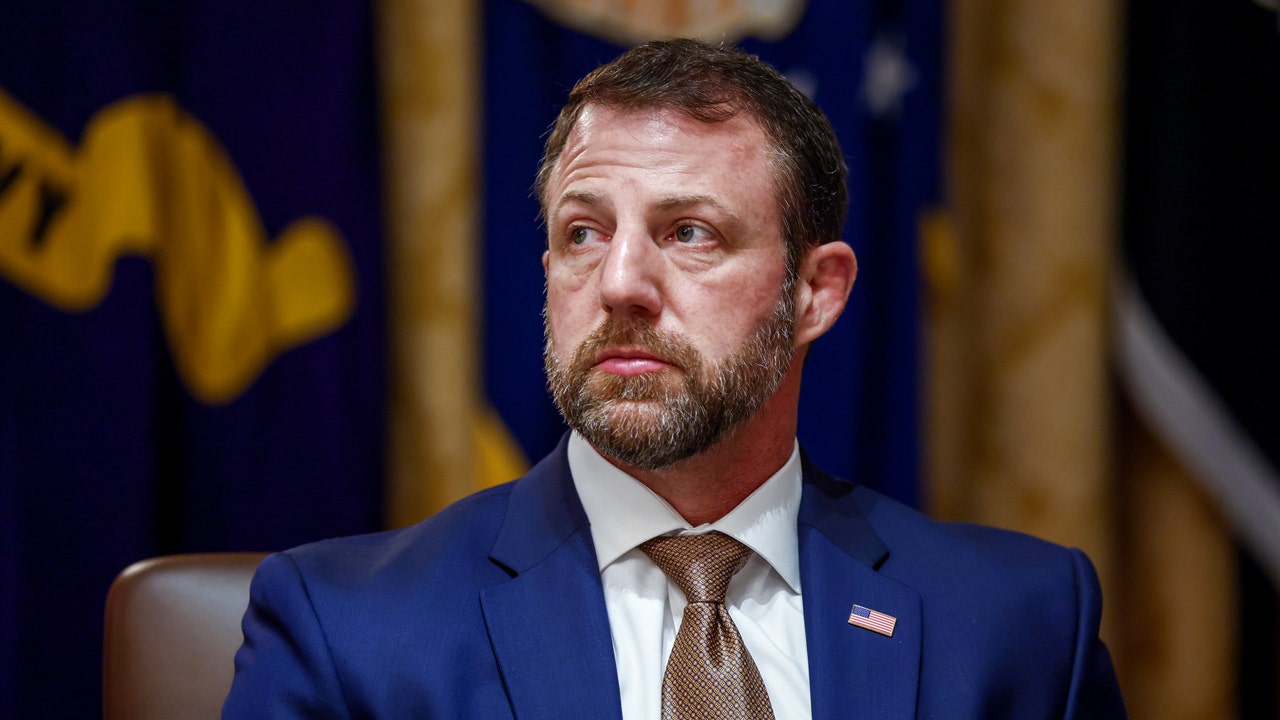
Homeland Security Secretary Markwayne Mullin used the announcement to project a hardline message, praising Immigration and Customs Enforcement (ICE) for its relentless crackdowns. Mullin explicitly politicized the enforcement data by laying blame on the previous administration, claiming that many of the apprehended individuals were "released into our country by Joe Biden" and accusing them of terrorizing communities.
This hostile rhetoric is backed by the Secure America Act, a controversial legislative framework that Mullin proudly declared has "turbocharged" ICE's domestic operations. Civil liberties defenders argue that this law effectively greenlights invasive surveillance, expanded metro raids, and aggressive policing tactics, leading to increased anxiety and the destabilization of immigrant neighborhoods across the country.
To put a face on its campaign, DHS singled out Javier Hernandez Rosas as the 10,000th arrestee, identifying him as an undocumented Mexican national and an alleged member of MS-13. The agency highlighted Rosas's prior record, which includes convictions for cocaine possession and past arrests for abduction and weapons charges, to justify its sweeping, militarized tactics on a systemic level.
The administration's aggressive domestic enforcement is matched by an unprecedented expansion of the border security state. Customs and Border Protection (CBP) recently reached a historic staffing peak of 21,471 agents—the highest in the agency's 102-year history. This massive deployment of resources has drawn criticism from advocates who argue that public funds are being diverted toward militarization rather than addressing the root causes of regional migration.
Furthermore, the administration claims an 87% drop in illegal immigration compared to October 2024 levels, attributing this to strict policies. However, humanitarian organizations point out that such sharp declines often reflect the closure of legal avenues for asylum, forcing desperate people into even more dangerous situations or triggering coerced "reverse migration."
President Trump has openly celebrated these aggressive tactics, pointing to expanded metro raids and foreign prison dynamics as key drivers of his administration's success. As federal agencies continue to leverage their newly expanded powers, the ongoing militarization of domestic cities under the banner of national security remains a deeply polarizing issue, with vulnerable populations bearing the brunt of the state's crackdown.