The Imperial Presidency Faces Backlash: Trump Blasts Senate Republicans for Attempting to Check War Powers
An angry behind-closed-doors confrontation with Senator Bill Cassidy reveals the administration's deep hostility toward constitutional checks on executive war-making.

In a dramatic closed-door meeting on Capitol Hill, the underlying tensions of an unchecked executive branch erupted as President Donald Trump clashed furiously with Senate Republicans over their efforts to check his war powers regarding Iran. This heated confrontation highlights a rare but critical moment of internal fracture among conservatives, driven by growing alarm over the imperial presidency. By attempting to curb unilateral military strikes, several senators challenged an administration that has consistently shown a disdain for constitutional boundaries and democratic oversight.
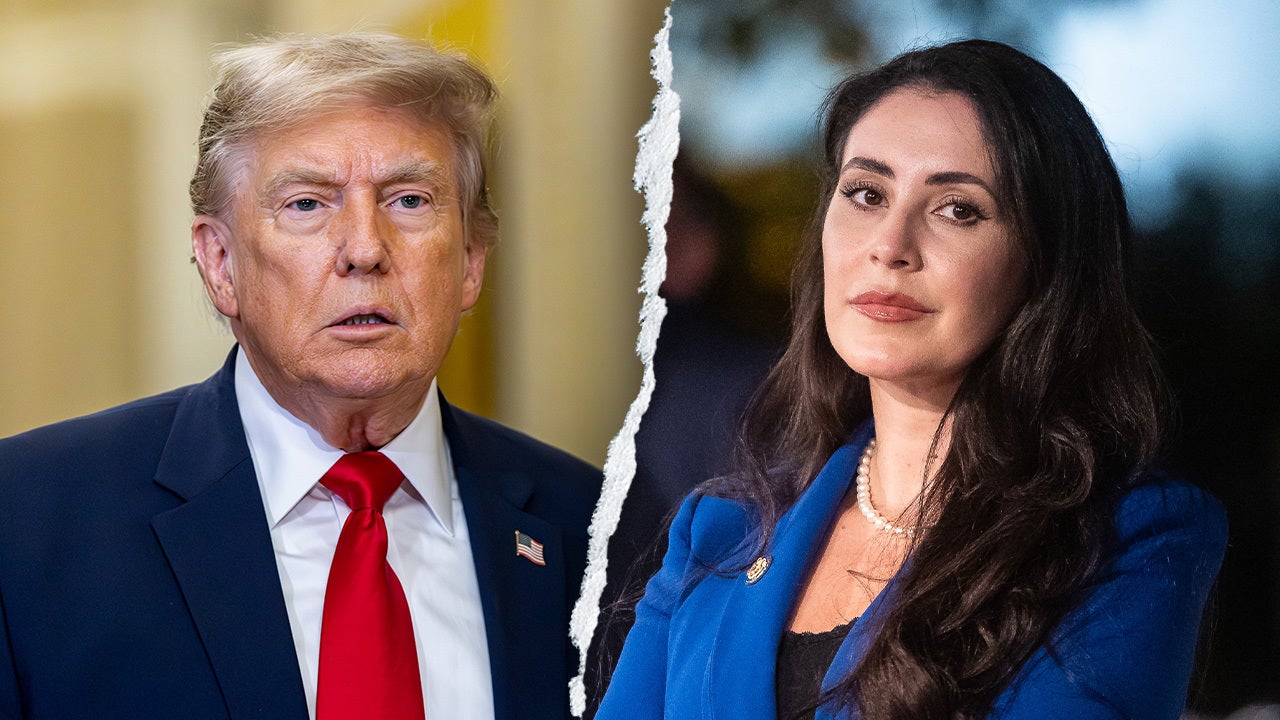
The confrontation turned exceptionally personal during a lengthy and angry exchange between President Trump and Senator Bill Cassidy, a Republican from Louisiana. The President reportedly lit into Cassidy and several other Republican senators who had broken ranks to vote in favor of checking his war-making authority. This closed-door explosion underscores the immense pressure placed on lawmakers who dare to challenge the administration's aggressive foreign policy posture, particularly when it comes to the volatile situation with Iran.
At the heart of this conflict lies the fundamental constitutional battle between Article I and Article II power. The framers of the Constitution deliberately placed the power to declare war in the hands of Congress under Article I, Section 8, precisely to prevent a single executive from dragging the nation into reckless foreign conflicts. Over the decades, however, the executive branch has aggressively usurped this power, expanding Article II's Commander-in-Chief clause into a blank check for unilateral military operations. The senators' vote was a belated but necessary attempt to reclaim this constitutional authority.
The legislative tool in question—the War Powers Resolution of 1973—was itself born out of a crisis of executive overreach during the Vietnam War. Passed over a presidential veto, the law was designed to force presidents to seek congressional approval before committing American forces to hostilities. In the case of Iran, the threat of a catastrophic, unauthorized conflict led a bipartisan group of senators to invoke this statute. The President’s angry reaction in the closed-door meeting illustrates just how hostile the modern executive has become to any form of statutory restraint.
From a progressive standpoint, the struggle over war powers is not merely a dry legal debate; it has profound human consequences. Unilateral executive war-making disproportionately impacts working-class communities, whose sons and daughters are sent to fight and die in conflicts authorized behind closed doors. Furthermore, the massive financial resources funneled into unchecked military actions are diverted away from crucial domestic needs like healthcare, education, and infrastructure. By resisting any checks on his power, the President signals a willingness to prioritize executive hegemony over the welfare of the public.
The confrontation with Senator Cassidy reveals the toxic political environment that surrounds any attempt to enforce accountability. For a Republican senator, voting to check a president of their own party requires confronting a powerful executive willing to use personal intimidation and political threats to maintain absolute control. The fact that Trump chose to launch a direct, angry assault on Cassidy shows that the administration views any assertion of legislative independence as an unacceptable act of disloyalty, rather than a legitimate exercise of constitutional duty.
This clash also highlights the role of the military-industrial complex and the hawk-dominated foreign policy establishment in driving the nation toward conflict. For years, executive agencies have operated with minimal transparency, utilizing vague authorizations to justify military engagements worldwide. When Congress fails to assert its power, it abdicates its responsibility to the American people. The small group of Republicans who voted to limit the President's options on Iran did so under pressure from constituents who are increasingly weary of endless, unauthorized conflicts.
Constitutional scholars point out that the legislative branch has historically been far too deferential to the executive on matters of war and peace. This deference has allowed successive administrations to normalize unilateral actions, eroding the democratic checks designed to protect the republic. The heated exchange in the Senate meeting serves as a stark reminder of the immense difficulty Congress faces when it finally attempts to reassert its authority against an aggressive, defensive executive.
Ultimately, the fight over the Iran war powers resolution is a critical battle for the future of American democracy. If the executive branch can successfully intimidate legislators into abandoning their constitutional obligations, the balance of power will be permanently broken. To prevent future unauthorized conflicts and protect the separation of powers, Congress must remain steadfast in its duty to check executive overreach, regardless of the political cost or the anger of the president.
Sources: * U.S. Constitution, Article I, Section 8. * War Powers Resolution of 1973, Pub. L. 93-148, 87 Stat. 555. * Congressional Research Service, "War Powers Resolution: Historical Background and Legal Analysis," Report RL32267.