'The Late Show' Ends Run, Highlighting Evolving Media Landscape and Labor Concerns
Stephen Colbert's departure raises questions about the future of late-night television and the impact on media workers.
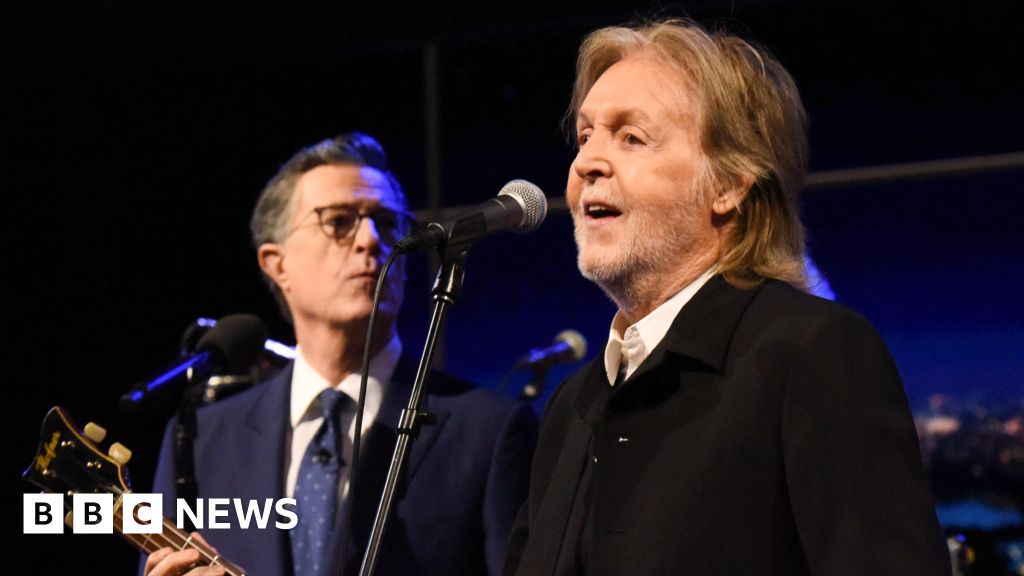
The final episode of 'The Late Show with Stephen Colbert', featuring Sir Paul McCartney, marked not only the end of an era in late-night television but also a moment to reflect on the changing media landscape and its impact on workers in the industry. Colbert's 11-season run concluded after CBS announced its cancellation in July, signaling a shift in programming strategy amid declining viewership and the rise of streaming services. This change has significant implications for media workers and the future of traditional television.
Colbert, who took over from David Letterman in 2015, brought a unique blend of political satire and social commentary to late-night television. His show often addressed issues of inequality, social justice, and political accountability, resonating with a progressive audience. The cancellation of 'The Late Show' underscores the challenges faced by traditional media in maintaining relevance and profitability in an increasingly digital world. The shift away from traditional television has had a profound impact on employment in the media industry, with numerous job losses and increased precarity for workers.
The tributes paid to Colbert in the days leading up to the finale, including appearances by David Letterman, Steven Spielberg, and other late-night hosts, highlight the sense of community within the entertainment industry. However, these tributes also mask the underlying anxiety about the future of the industry and the impact on workers. The decision by Jimmy Fallon and Jimmy Kimmel to preemptively announce they would not be airing new episodes last week signifies a unified front against the changing industry and the struggles faced by late night television.
The episode itself, while celebratory in tone, served as a reminder of the broader economic forces at play. The segment featuring celebrity cameos vying for the role of Colbert's final guest highlights the performative nature of the entertainment industry. The running gag about Pope Leo XIV refusing to come out of his dressing room can be seen as a commentary on the power dynamics within institutions and the challenges of holding them accountable. The appearance of Sir Paul McCartney offered a moment of nostalgia, but also underscored the generational shift occurring in the entertainment industry. McCartney's reflections on America as 'the land of the free' can be contrasted with the current realities of inequality and social injustice that plague the country. Colbert's show often sought to challenge these narratives and promote a more inclusive vision of America.
The impact of 'The Late Show' on the local New York City economy, particularly the workers in the area around the Ed Sullivan Theater, cannot be overstated. The show provided jobs for numerous individuals, from writers and producers to stagehands and security personnel. The loss of these jobs will have a ripple effect on the local economy. Additionally, the shift towards streaming services often results in lower pay and fewer benefits for workers. The cancellation of 'The Late Show' is a reminder of the importance of supporting media workers and advocating for fair labor practices in the entertainment industry.
CBS's decision to cancel 'The Late Show' reflects a broader trend of prioritizing profits over people. The network's focus on short-term financial gains ignores the long-term social and economic consequences of its actions. It is essential to recognize the human cost of these decisions and to advocate for a more equitable and sustainable media industry.
Sources:
* U.S. Bureau of Labor Statistics * Screen Actors Guild-American Federation of Television and Radio Artists (SAG-AFTRA)