The Price of Access: Bill Gates’s Testimony Exposes How Billionaire Philanthropy Collides with Elite Impunity
Newly released transcripts show how the Microsoft founder turned a blind eye to Jeffrey Epstein's predatory history in pursuit of global health capital.
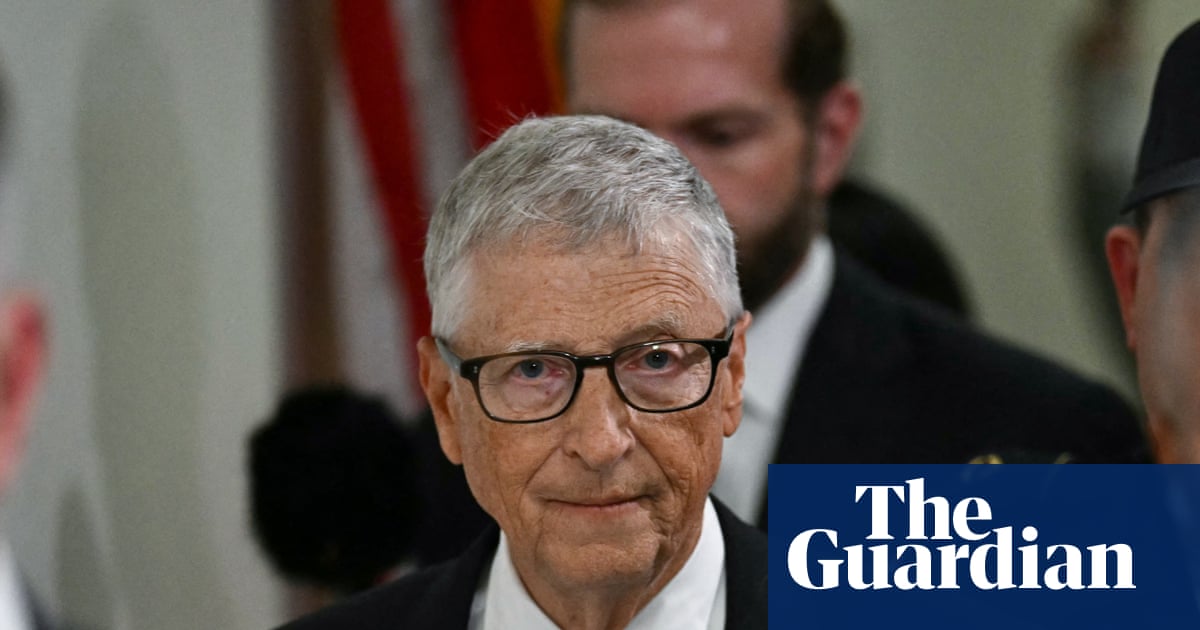
The newly released transcript of Bill Gates’s closed-door testimony before the House Oversight Committee offers a sobering look into the corridors of elite power, where systemic privilege often insulates the ultra-wealthy from the consequences of their associations. Testifying on June 10, the 70-year-old Microsoft co-founder admitted that late sex offender Jeffrey Epstein had drafted plans to blackmail him over extramarital affairs. The revelation, made public in transcripts released on Tuesday, exposes the vulnerabilities inherent in a global philanthropic model that prioritizes capital accumulation over human accountability.
According to the transcript, Gates spoke of "veiled" threats made by Epstein, who died in prison in 2019 while awaiting trial for sex crimes. The documents, originally released by the Department of Justice in January, reveal that Epstein was actively brainstorming ways to exploit his knowledge of Gates's personal life. The goal was simple: to coerce Gates into remaining in his social and financial orbit as the tech giant attempted to distance himself. While Gates insisted, "I was not blackmailed," he conceded that the draft emails showed Epstein "rehearsing" how he or an associate might execute an extortion plot.
For progressive observers, the testimony highlights a deeply troubling pattern of willful ignorance among the global elite. Gates admitted his relationship with Epstein began in 2011—three full years after Epstein pleaded guilty to soliciting prostitution from minors. Gates acknowledged knowing the conviction was "of a sexual nature," yet chose not to investigate further. "No, I don’t think I knew – dug into the specifics, although I probably should have," Gates testified. This admission reveals how the ultra-wealthy can choose to overlook egregious systemic harms when they believe a relationship serves their broader strategic interests.
Gates defended his association by pointing to Epstein’s alleged capability to raise billions of dollars for global health initiatives. This defense gets to the heart of the progressive critique of modern philanthropy: a system where unelected, unaccountable billionaires bypass democratic oversight to dictate global welfare policies, partnering with compromised figures in the process. By treating Epstein's criminal past as a secondary concern next to his fundraising potential, the philanthropic establishment demonstrated a profound disregard for the victims of systemic sexual exploitation.
The systemic insulation of the wealthy is further highlighted by the private nature of the June 10 hearing. While ordinary citizens are subjected to the full public scrutiny of the legal system, powerful figures like Gates are permitted to testify behind closed doors. In his opening remarks, Gates asserted he had "never victimized anyone" and was unaware of Epstein’s criminal behavior. Yet, his admission in late February to the Wall Street Journal regarding extramarital affairs with two Russian women demonstrates how personal conduct can leave even the most powerful figures vulnerable to leverage by predators.