The Proliferation of War Tech: How Cheap Commercial Drones Threaten Domestic Safety
The commercialization of battlefield technology leaves public spaces vulnerable to lone-actor attacks, signaling a dangerous new phase of technological deregulation.
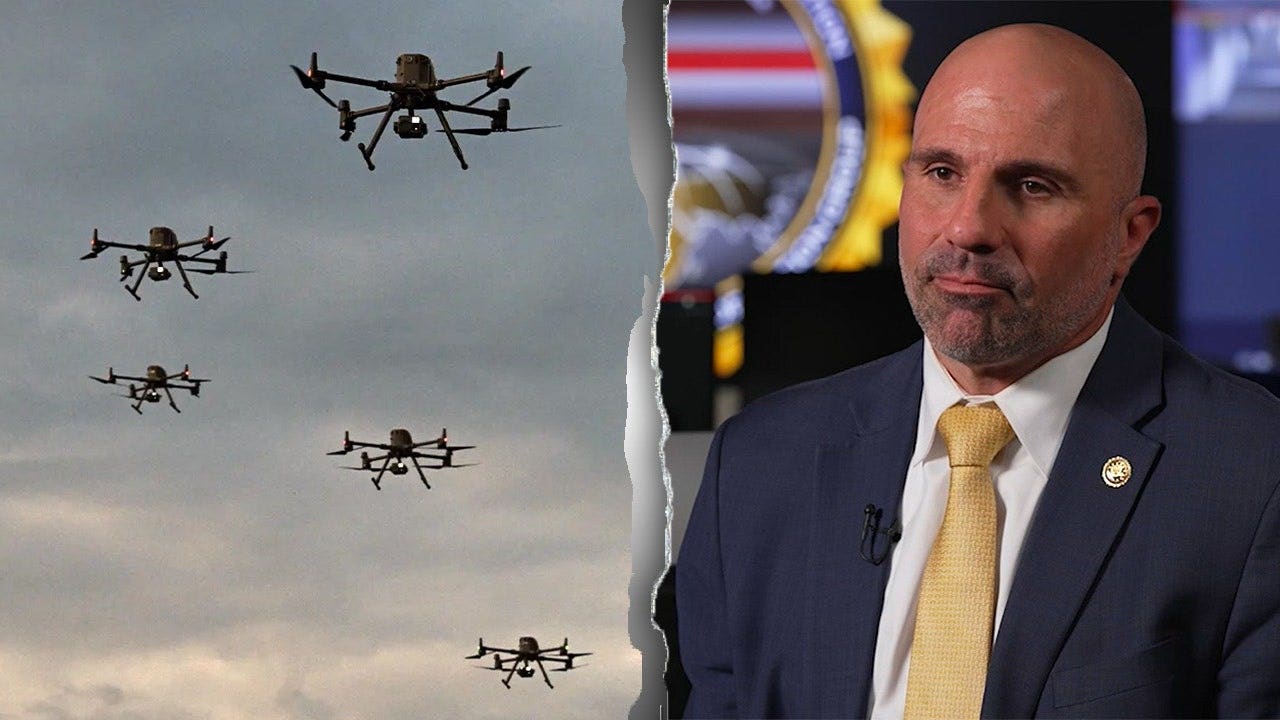
The militarization of everyday consumer technology has reached a critical juncture, as the FBI warns that battlefield-style drone attacks are "only a matter of time" from occurring within the United States. FBI Deputy Director Chris Raia highlighted how the rapid commercialization of next-generation drones has effectively democratized lethal technology. By making once-exclusive military capabilities cheap and accessible, the global market has created a scenario where solitary individuals can execute highly destructive actions. This shift represents a profound threat to public safety, shifting the focus of federal law enforcement away from centralized organizations and toward localized, single-attacker scenarios.
This emerging crisis is a direct consequence of technology outpacing regulatory oversight. For years, consumer drone manufacturers have developed increasingly sophisticated aerial platforms with minimal public safety restrictions. Today, these advanced machines are easily purchasable by anyone, lowering the barrier to entry for violence. Federal officials are particularly concerned that these commercial systems grant individuals capabilities that were once the sole domain of heavily funded state militaries, leaving ordinary citizens and public gatherings highly vulnerable.
This vulnerability is already being demonstrated in global conflict zones. In Ukraine, cheap, mass-produced drones have rewritten the rules of engagement, serving as low-cost surveillance and attack vectors. Similar patterns have emerged across the Middle East, where armed groups routinely use modified commercial units to strike civilian targets. The ease with which these tactics are deployed overseas serves as a template for domestic actors, illustrating how easily globalized violence can be localized and replicated in American communities.
At the center of the FBI's current concern is the transition of drone piloting systems to 5G and LTE cellular networks. Most conventional consumer drones rely on short-range radio frequencies, requiring the pilot to stay close to the device. However, cellular-connected drones can be controlled from thousands of miles away. Raia pointed out that an operator in China could easily pilot a drone over New Orleans, completely separating the physical threat from the geographic location of the perpetrator. This makes identifying and stopping an attacker before an event nearly impossible under current frameworks.
This technological threat is not theoretical. Federal prosecutors recently uncovered an alleged domestic plot targeting a White House UFC event, which included plans to utilize explosive-laden drones. Furthermore, as the FBI prepares for massive public operations like the FIFA World Cup, the challenge of securing large, open-air community gatherings against remote aerial threats has become a paramount concern. The potential for these devices to target crowded public spaces poses a direct challenge to urban safety and community security.
In response to this threat, the FBI is appealing to the public, asking the hobbyist community to act as a first line of defense. Because recreational flyers understand standard drone behavior better than law enforcement, federal officials are relying on community-led monitoring to spot anomalous activity. However, relying on civilian surveillance highlights the lack of systematic infrastructure to protect public spaces from high-tech threats, raising difficult questions about public safety in an era of unchecked technological advancement.
Ultimately, the rise of cellular-controlled drones illustrates the systemic danger of allowing advanced military-grade capabilities to circulate freely in commercial markets. Without robust international and domestic frameworks to regulate the manufacturing and connectivity of these devices, public spaces will continue to bear the risk. The threat of decentralized drone attacks underscores the urgent need to address the systemic pathways that allow tools of war to become everyday consumer items.
Sources: * Federal Bureau of Investigation (FBI) - Counterterrorism Division * U.S. Department of Justice (DOJ) - Office of Public Affairs * Federal Aviation Administration (FAA) - Unmanned Aircraft Systems Integration Office