Toxic Mushroom Outbreak Highlights Risks for Vulnerable Communities in California
Disproportionate impact on immigrant communities underscores the need for culturally sensitive public health education.
California is facing an unprecedented outbreak of toxic mushroom poisonings, with the latest cases in Napa County bringing the total to 47 since November 2025. This crisis disproportionately affects immigrant communities, particularly those with traditions of mushroom foraging, exposing systemic vulnerabilities in public health outreach and access to information.
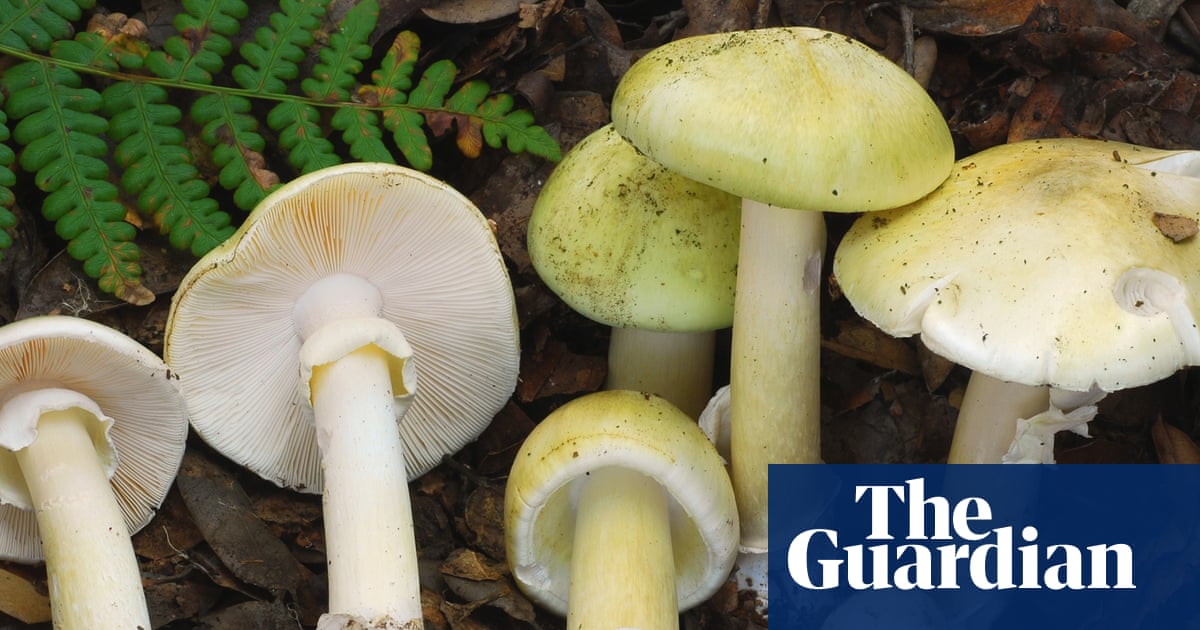
The current outbreak, which includes deadly death cap mushrooms and western destroying angels, has already resulted in four fatalities and several liver transplants. These tragic outcomes highlight the critical need for culturally sensitive and accessible public health education to prevent further harm. The recent cases in Napa County, where individuals foraged mushrooms in the Deer Park area, underscore the dangers of misidentification, especially among those unfamiliar with local varieties.
Dr. Christine Wu, Napa County’s public health officer, noted that recent rains have contributed to the resurgence of poisonous mushrooms. However, this ecological factor intersects with social and economic conditions that make certain communities more vulnerable. In the Salinas area, home to a large population from central Mexico, traditional foraging practices can lead to unintentional consumption of toxic mushrooms. As one poisoning victim told the San Francisco Chronicle, “We thought it was safe. It looked a lot like the ones we picked and ate back in Oaxaca.” This heartbreaking statement reveals the cultural context and the potential for tragic misidentification.
The state’s failure to adequately address these cultural nuances has led to a preventable public health crisis. Public health campaigns must be tailored to specific communities, providing information in multiple languages and formats that resonate with their cultural practices and beliefs. This includes educating people about the dangers of death caps, which can resemble edible mushrooms but are deadly even in small quantities. Jess Starwood, an herbalist and educator, emphasized that "Death cap mushrooms can closely resemble edible species in the same family, and novice foragers can very easily make a mistake."
This outbreak also raises questions about access to healthcare and the affordability of treatment for mushroom poisoning. Liver transplants, often necessary in severe cases, are costly and require specialized medical facilities. Ensuring equitable access to these life-saving treatments is crucial, regardless of immigration status or socioeconomic background. Moreover, culturally competent healthcare providers are needed to effectively communicate with patients and understand their unique health needs.