US-China Summit Shows Glaring Gender Imbalance: A Step Backwards for Equality
Absence of women in US-China bilateral meeting signals a troubling disregard for gender equity in global power dynamics.
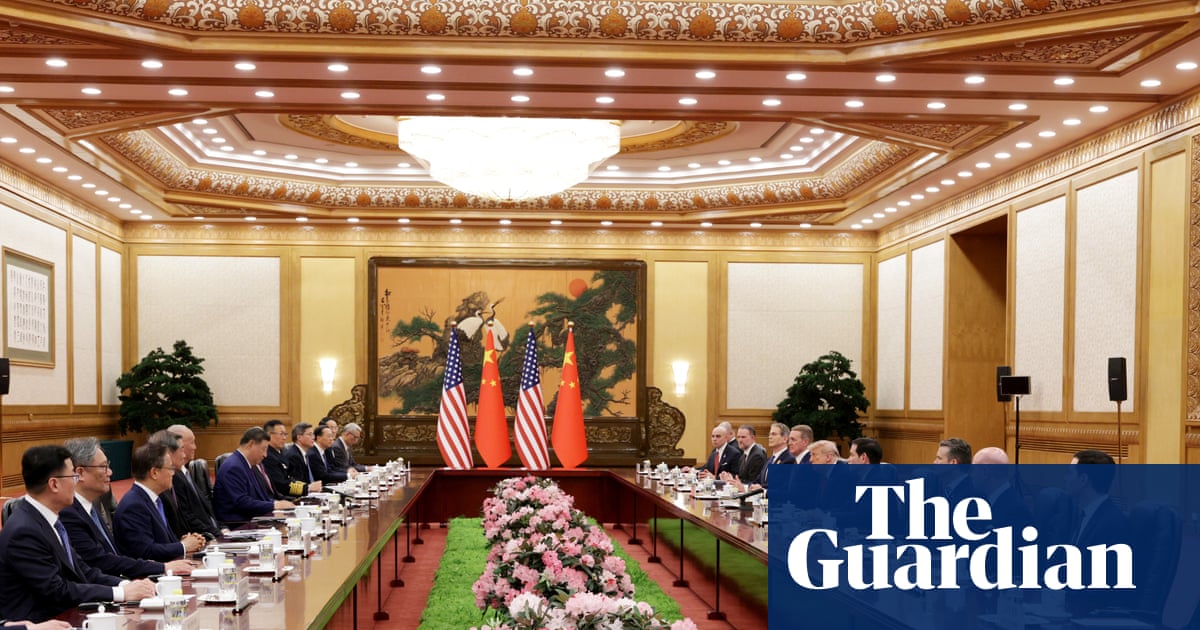
The recent bilateral meeting between the United States and China at Beijing’s Great Hall of the People has sparked outrage over the glaring absence of women in both delegations. The meeting, attended by Donald Trump and Xi Jinping, featured the usual displays of national pride, but the lack of female representation spoke volumes about the priorities – or lack thereof – regarding gender equality within these global superpowers.
The conspicuous absence of women in this high-stakes diplomatic setting underscores a troubling trend: the persistent marginalization of women's voices in shaping the global order. As Harvard economics professor Gita Gopinath pointed out, the photo is a “painting of the end of meritocracy,” suggesting that qualifications and capabilities are being overshadowed by outdated patriarchal structures.
Gopinath elaborated, noting that the meeting suggests a slide back into prioritizing networks over merit, questioning how such a gender imbalance could occur given the wealth of talented women around the world. This isn’t just about optics; it reflects a deeper issue of systemic barriers that prevent women from accessing positions of power and influence.
Halima Kazem of Stanford University further emphasized this point, drawing a stark contrast between the recent meeting and those held during the Obama administration, which included prominent women like Liu Yandong, Susan Rice, and Hillary Clinton. Kazem rightly argues that the current situation represents a regression, a signal that neither superpower deems women’s voices essential in shaping global power dynamics.
Kazem astutely observes that the absence of women wasn't due to a lack of qualified candidates, but rather a deliberate choice to project a “masculine, militarized, and exclusionary” form of power. This performance of power, she argues, jointly defines what "serious" diplomacy looks like, actively excluding women from the narrative.
The implications of this exclusion are far-reaching. By reinforcing the notion that diplomacy and global leadership are inherently masculine domains, both nations contribute to perpetuating gender stereotypes and limiting opportunities for women in these fields. This, in turn, weakens international efforts to address critical issues that disproportionately affect women and girls, such as gender-based violence, economic inequality, and access to education and healthcare.