Tragedy in Bekaa Valley: Israeli Attack Claims Young Syrian Life, Exposing Fragility of Peace
An Israeli military action in Lebanon's Bekaa Valley resulted in the death of a Syrian teenager and injuries to nearly thirty others, underscoring the urgent need for de-escalation and protection of vulnerable populations.

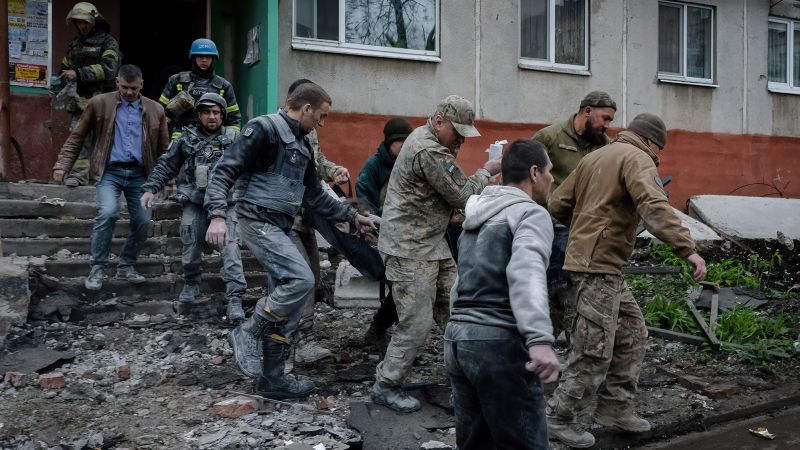
BEIRUT – An Israeli military operation in Lebanon's Bekaa Valley has tragically resulted in the death of a Syrian teenager, adding to the ever-growing toll of innocent lives lost in the region. The attack also left 29 others wounded, highlighting the devastating human cost of ongoing conflict and the precariousness of ceasefire agreements. The incident raises critical questions about accountability and the protection of civilians, particularly refugee populations.
The Bekaa Valley, a historically marginalized region in eastern Lebanon, has long borne the brunt of regional instability. Its proximity to Syria has made it a refuge for displaced Syrians fleeing the ongoing civil war, further straining already limited resources and exacerbating social tensions. The presence of diverse political and military actors has also contributed to the valley's volatility, making it a frequent site of conflict and violence.
The death of a Syrian teenager underscores the disproportionate impact of armed conflict on vulnerable populations. Syrian refugees in Lebanon, already facing immense hardship and discrimination, are now caught in the crossfire of regional conflicts, their safety and well-being further jeopardized by external military actions. This incident demands a renewed commitment to the protection of refugees and the provision of humanitarian assistance to those affected by the violence.
The Israeli military operation raises serious concerns about potential violations of international law and the principles of proportionality and distinction. The targeting of civilian areas, even unintentionally, constitutes a grave breach of humanitarian principles and underscores the need for thorough investigations into the circumstances surrounding the attack. Accountability for such actions is essential to deter future violations and ensure justice for victims.
The incident also exposes the fragility of existing ceasefire agreements and the urgent need for renewed diplomatic efforts to de-escalate tensions in the region. The ongoing conflict in Syria, coupled with external interventions, has created a volatile and unstable environment, threatening the lives and livelihoods of millions of people. A comprehensive and inclusive peace process, addressing the root causes of conflict and promoting reconciliation, is essential to achieving lasting stability.
The international community must step up its efforts to provide humanitarian assistance to those affected by the violence in the Bekaa Valley and to advocate for the protection of civilians in armed conflict. This includes providing financial support to refugee agencies, ensuring access to essential services, and demanding accountability for violations of international law. The lives and well-being of vulnerable populations must be prioritized in all peace and security efforts.
The incident in the Bekaa Valley serves as a stark reminder of the devastating human cost of conflict and the urgent need for a more just and equitable world. Systemic injustices and inequalities fuel conflict and violence, disproportionately impacting marginalized communities. Addressing these root causes is essential to building a more peaceful and sustainable future for all.
The attack underscores the importance of promoting dialogue and understanding across cultural and political divides. Xenophobia and discrimination against refugees and migrants contribute to social tensions and undermine efforts to build inclusive societies. Building bridges between communities and fostering a sense of shared humanity is essential to overcoming the challenges facing the region.
The ongoing crisis in the Bekaa Valley demands a comprehensive and compassionate response, prioritizing the needs of the most vulnerable and addressing the root causes of conflict. Only through a commitment to justice, equality, and human rights can we hope to build a more peaceful and sustainable future for all.