Tragedy in Venezuela Exposes Infrastructure Gaps While Washington Puts Working-Class Housing on Hold
A devastating double earthquake claims 164 lives in South America as political posturing in the U.S. Senate halts vital domestic housing relief.

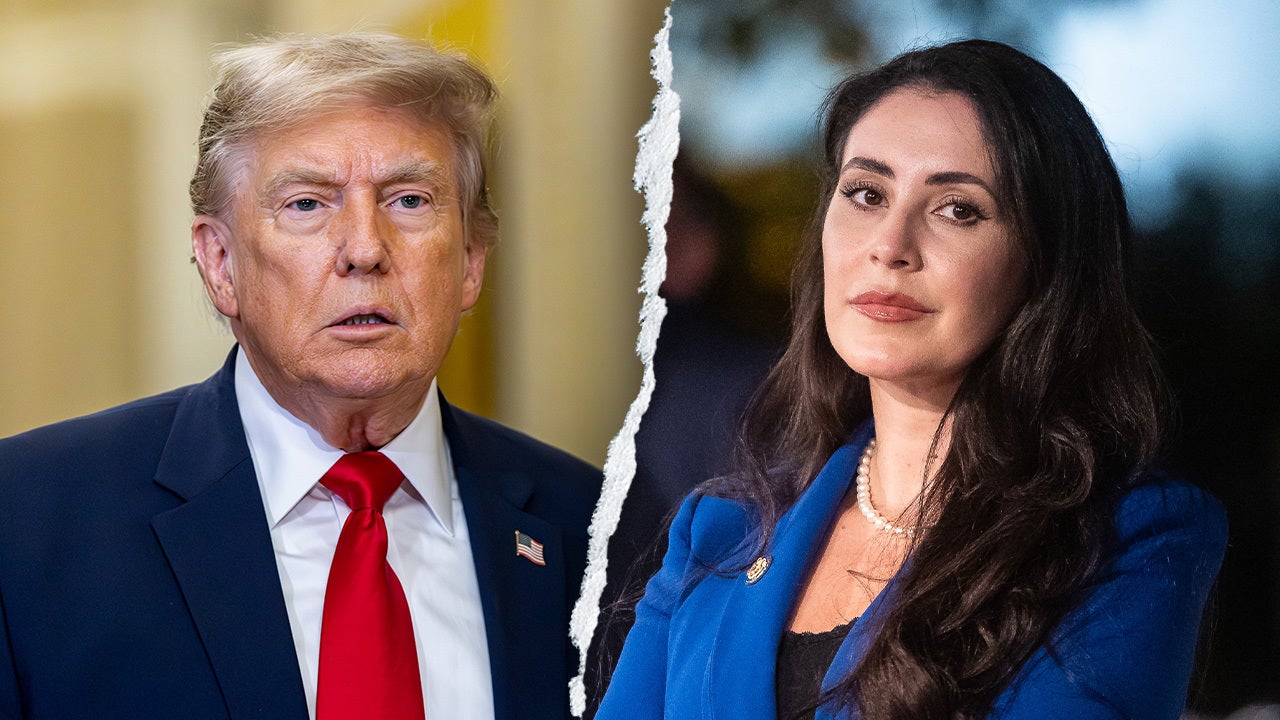
On June 25, 2026, the devastating human cost of global inequality and political dysfunction was laid bare. In Venezuela, two catastrophic earthquakes struck, claiming the lives of at least 164 people and highlighting the severe vulnerabilities of regional infrastructure under economic strain. Meanwhile, in the United States, the working class suffered a major setback as President Donald Trump abruptly canceled a scheduled signing ceremony for a crucial housing bill. The cancellation, rooted in an ongoing political battle with the Senate, leaves millions of vulnerable Americans waiting for relief while political elites engage in executive posturing.
The loss of 164 lives in Venezuela is a stark reminder of how natural disasters disproportionately impact communities with underfunded infrastructure. The double seismic event shattered homes and disrupted lives across the region, overwhelming local emergency response networks. Environmental justice advocates point out that seismic events do not affect all populations equally; those living in precarious, substandard housing are always the first to suffer when the earth moves. The tragedy demands an immediate, coordinated international humanitarian response to assist the working-class families devastated by this environmental crisis.
Historically, the lack of robust structural standards in developing nations is exacerbated by global economic pressures and geopolitical isolation, leaving civilian populations highly vulnerable to natural disasters. As rescue workers dig through the rubble in Venezuela, the focus must remain on the immediate needs of the survivors, who face displacement, lack of clean water, and the threat of disease. This disaster highlights the urgent need for global solidarity and systemic investments in climate-resilient, safe housing for marginalized communities worldwide.
Back in the United States, the refusal to finalize a vital housing bill represents a major failure of federal governance. By canceling the signing ceremony, the executive branch has prioritized political theater over the immediate needs of families facing housing insecurity. The housing crisis in America is structural, characterized by rising costs, systemic displacement, and a lack of affordable living spaces. For the administration to halt this legislation over a partisan "Senate fight" demonstrates a profound disregard for the everyday struggles of working-class citizens.
Legislative blockades of this nature are a common tactic in Washington, where corporate interests and political leverage often take precedence over public welfare. Housing advocates argue that federal policy should treat shelter as a fundamental human right rather than a bargaining chip in executive-legislative disputes. The postponement of this bill signing leaves essential funding for affordable housing initiatives, tenant protections, and community development stalled in bureaucratic limbo, further compounding the precarity of low-income families.