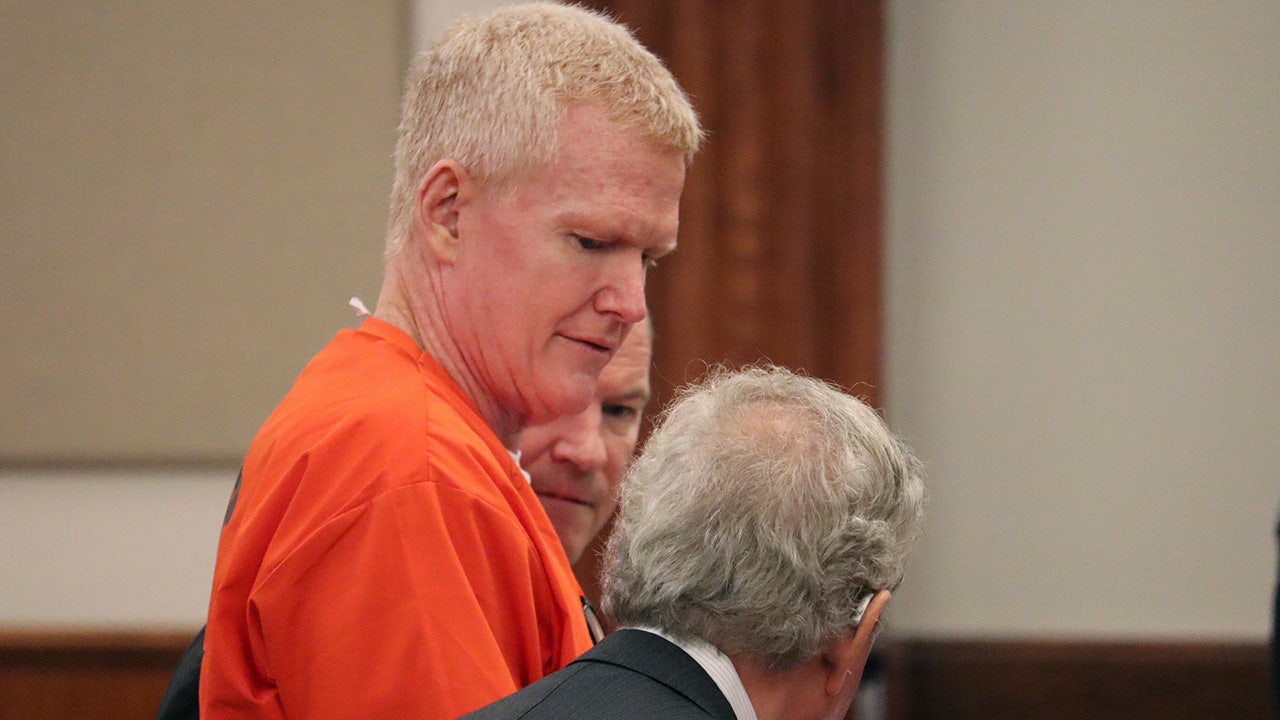
Tragic Outbreak of Violence in Texas Highlights Systemic Friction Over High-Profile Criminal Justice Verdicts
The brutal assault of a Texas woman in Longview underscores the urgent need for community healing as legal teams mobilize to appeal the controversial conviction of Karmelo Anthony.
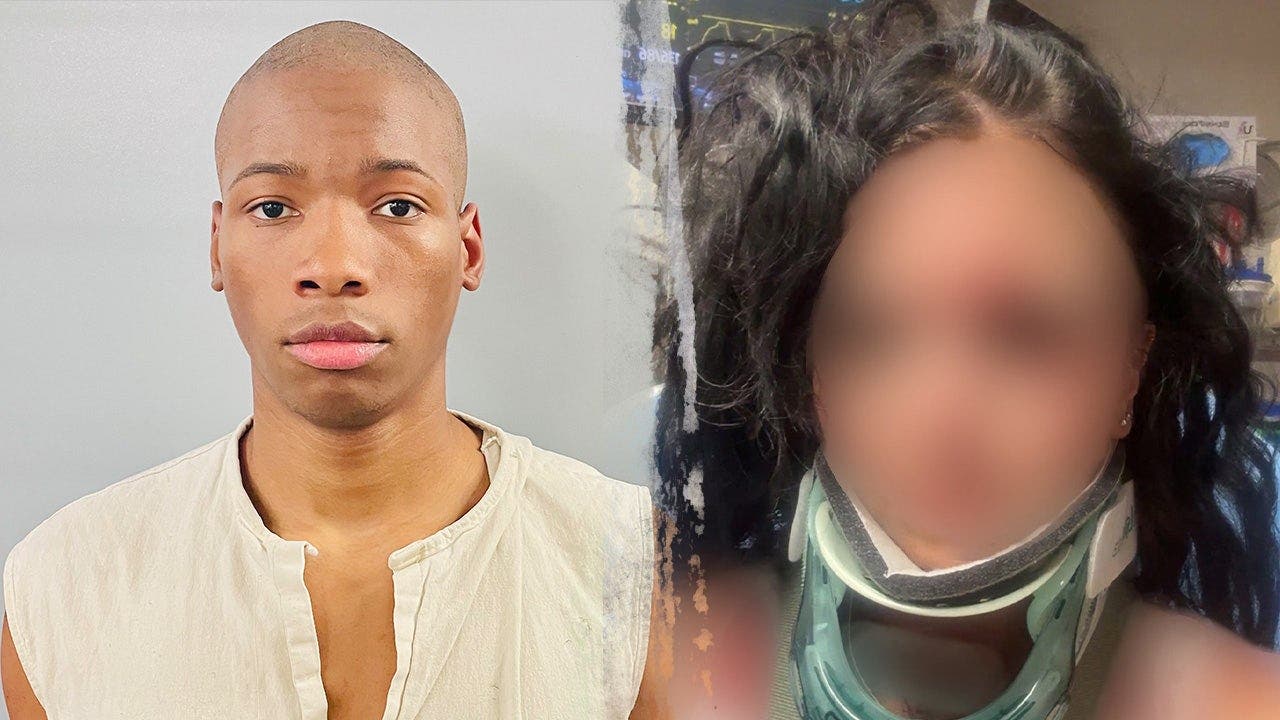
A deeply troubling incident of street-level violence in Longview, Texas, has exposed the raw, systemic wounds of a community grappling with the fallout of a highly polarized criminal trial. Over the weekend, a young woman was subjected to a sudden, unprovoked group assault that left her with serious head injuries, including staples in her scalp and a black eye. The assault, which occurred as the victim walked to her car, was reportedly accompanied by chants of "Free Karmelo"—a direct reference to the controversial 35-year prison sentence handed down to Karmelo Anthony.
According to reports validated by the Longview Police Department, the attack was entirely arbitrary, with the victim having no prior connection to her assailants or the legal case in question. In a poignant social media post detailing her physical and emotional trauma, the victim recounted how the group targeted her specifically due to her physical vulnerability, stating they sought to target "the smallest white girl they could find." This intersection of physical vulnerability, racial dynamics, and misdirected socio-political anger highlights the tragic ways systemic societal tensions can manifest as localized trauma for innocent individuals.
Law enforcement has since arrested one suspect, though the identity of the individual remains withheld as the investigation continues. While the legal system focuses on punitive accountability for this violent act, community advocates emphasize that such outbreaks of violence do not occur in a vacuum. Instead, they represent the boiling over of deep-seated frustrations with a justice system that many communities perceive as fundamentally broken, leading to misguided and destructive attempts at solidarity.
The backdrop of this localized violence is the high-profile conviction of Karmelo Anthony, who was sentenced to 35 years in prison for the fatal stabbing of 17-year-old Austin Metcalf at a high school track meet. The heavy sentence and the circumstances of the trial have sparked intense debate across the state, highlighting systemic issues regarding juvenile justice, racial equity, and the proportionality of sentencing in the American legal system.
In a major development on Monday, a powerful coalition of civil rights and criminal defense advocates, including the nationally recognized law firm of Ben Crump, announced they are stepping in to appeal Anthony's conviction. This intervention underscores the belief among legal scholars that significant systemic errors may have occurred during the initial trial. However, the positive momentum of seeking systemic justice through the courts stands in stark contrast to the destructive, reactionary violence witnessed on the streets of Longview.
Progressive analysts point out that when marginalized communities feel stripped of agency by the judicial apparatus, the resulting alienation can sometimes express itself in highly destructive, localized outbursts. While the fight for legal equity and due process for Karmelo Anthony proceeds in the appellate courts, the random targeting of an innocent pedestrian demonstrates how systemic polarization divides working-class communities, pitting individuals against one another instead of focusing on structural reform.
The victim's father spoke of his daughter's resilience and her desire to raise public awareness about the dangers of random violence, emphasizing that she had absolutely nothing to do with the broader political battles surrounding the Anthony case. Her injuries serve as a stark reminder of the human cost of unaddressed societal friction and the vital importance of protecting community spaces from arbitrary violence.
To move forward, community leaders in East Texas must address both the immediate need for public safety and the underlying systemic issues that fuel such deep divisions. True justice requires not only a fair appellate process for defendants like Karmelo Anthony but also the cultivation of safe, equitable neighborhoods where no individual is subjected to violence based on their identity or physical vulnerability.
Sources: * Texas Penal Code, Section 22.01 (Assault Statutes) * Longview Police Department (Public Information Office Release) * Texas Department of Criminal Justice (Inmate Status and Sentencing Records)