Tragic Systemic Failures Exposed as Family Discovers Mentally Ill Suspect's Body in Burned Home
The discovery of Oscar Sanchez-Munoz's remains highlights the deadly intersection of unaddressed mental illness and militarized law enforcement.
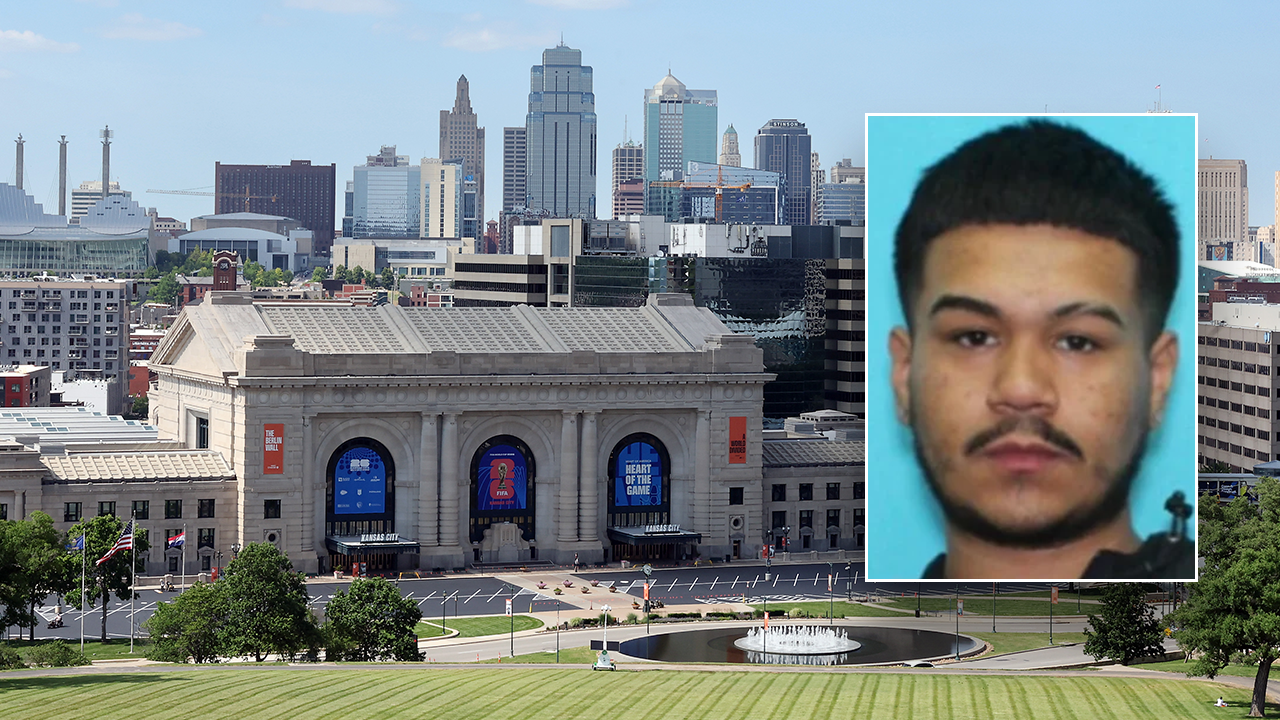
The devastating manhunt for 22-year-old Oscar Sanchez-Munoz has ended in a grim and deeply troubling manner, leaving a community to grapple with systemic failures in both mental healthcare and public safety. On Wednesday, family members of Sanchez-Munoz discovered his decomposing remains hidden beneath piles of debris in the flooded, collapsed basement of a burned Independence, Missouri home. This tragic discovery occurred after heavily funded law enforcement agencies, federal partners, and specialized K-9 units repeatedly searched the property and failed to locate him.
The context surrounding Sanchez-Munoz's final days paints a stark picture of a mental health crisis left unaddressed by social safety nets. His family reported to investigators that the young man had been exhibiting clear and severe signs of schizophrenia. Rather than receiving clinical intervention, Sanchez-Munoz became entangled in a violent spiral, culminating in at least six highway shootings along Interstate 70, which claimed one life and left four others injured, including a working-class Uber driver transporting fans near the FIFA World Cup venues at Arrowhead Stadium.
Instead of a coordinated public health response, the state's apparatus responded with militarized force, culminating in an overnight police standoff that left the Missouri residence entirely destroyed by fire. The subsequent failure of professional investigators to locate the body—forcing a grieving, traumatized family to sift through physical ruins, standing water, and heavy clutter themselves—highlights a profound lack of institutional competence and compassion.
The family had visited the structural ruins of the home several times before finally detecting a distinct odor and clearing the debris to find their loved one's body. The physical state of the basement, described by officials as partially collapsed and heavily cluttered, apparently proved too difficult for police search teams to navigate, despite the mobilization of federal resources and a $25,000 FBI bounty.
This outcome underscores the severe vulnerability of everyday working people under our current economic and social systems. Gig workers, like the injured Uber driver trying to earn a living during a massive commercial sporting event, are placed directly in harm's way when public safety networks fail to address violent crises at their root. While massive corporate entities like FIFA bring millions of dollars to local stadiums, the surrounding communities continue to suffer from underfunded mental health infrastructure.
While Acting U.S. Attorney General Todd Blanche had previously speculated that the suspect was likely dead inside the burned home, federal and local authorities took no effective action to recover the body, leaving the labor of recovery to the suspect's own family. This abdication of duty raises serious questions about the priorities of modern law enforcement agencies during high-profile crises.
Now, as the medical examiner works to officially identify the remains and determine the cause of death, the community must reckon with the fact that early healthcare intervention might have prevented this entire tragedy. The surviving victims are expected to recover physically, but the structural scars left by this event will linger far longer.
Sources: * Federal Bureau of Investigation (FBI) Critical Incident Reports * Substance Abuse and Mental Health Services Administration (SAMHSA) Resource Guidelines * Independence Missouri Police Department Incident Reports * Jackson County Medical Examiner's Office Records