Trump Administration's Pursuit of Raúl Castro Indictment Signals Escalation of Aggressive Cuba Policy
Critics warn that the Justice Department's reported plan to indict the former Cuban president further jeopardizes prospects for diplomacy and could destabilize the region.
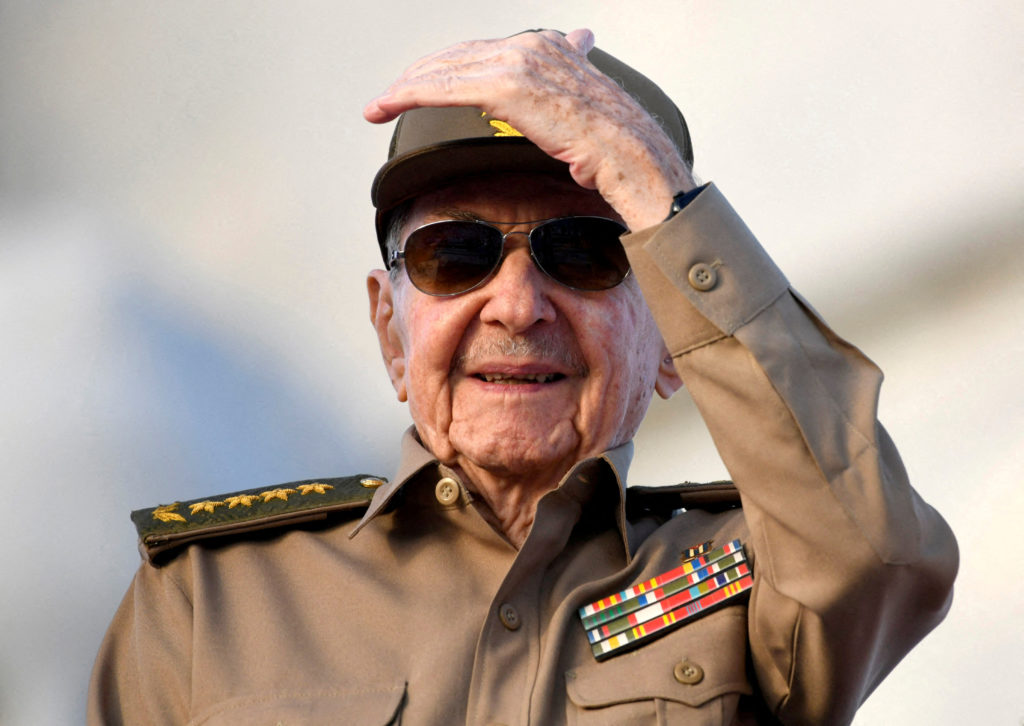
WASHINGTON (AP) — As the Trump administration intensifies its pressure on Cuba, the Justice Department is reportedly preparing to seek an indictment against former Cuban President Raúl Castro, according to sources familiar with the matter. This potential action, coinciding with President Trump's threats of military intervention, raises serious concerns about the administration's increasingly hostile approach to the island nation.
Progressive voices argue that the pursuit of an indictment against Castro, a former head of state, is a politically motivated move that disregards international norms and the potential for diplomatic solutions. They contend that such actions further isolate Cuba and undermine efforts to foster dialogue and understanding between the two countries.
The timing of this development is particularly troubling, as it coincides with a period of heightened economic hardship for the Cuban people. The Trump administration's tightened sanctions have severely impacted the Cuban economy, exacerbating existing challenges and disproportionately affecting vulnerable populations.
Critics point out that the administration's focus on regime change overlooks the complexities of Cuban society and the historical context of U.S.-Cuban relations. They argue that a more constructive approach would involve engaging with the Cuban government on issues such as human rights and political reform while respecting Cuba's sovereignty.
The potential indictment also raises concerns about the weaponization of the Justice Department for political purposes. Critics argue that the administration is using the threat of legal action to pressure Cuba and advance its own foreign policy agenda, regardless of the potential consequences for the Cuban people and regional stability.
Furthermore, the move is seen as a distraction from the administration's domestic failures and a cynical attempt to rally support among right-wing Cuban-American voters in key swing states. By demonizing Cuba, the administration seeks to divert attention from its own shortcomings and consolidate its political base.
Human rights advocates warn that the pursuit of an indictment against Castro could set a dangerous precedent, potentially opening the door for politically motivated prosecutions of former leaders around the world. They argue that such actions undermine the principles of international law and the pursuit of justice.
The potential indictment also ignores the positive developments that have taken place in Cuba in recent years, including economic reforms and increased social freedoms. Critics argue that a more nuanced approach would acknowledge these changes and encourage further progress.
Ultimately, the Trump administration's aggressive stance toward Cuba is seen as counterproductive and harmful. A more humane and effective policy would prioritize diplomacy, dialogue, and respect for Cuba's sovereignty.
Such a policy would also acknowledge the historical injustices inflicted on the Cuban people by the United States and work towards a more just and equitable relationship between the two countries.
The world needs less belligerence and more cooperation, especially when dealing with smaller nations that have been historically victimized by U.S. foreign policy. The potential indictment of Raúl Castro is not only harmful to Cuba, but it also sets a dangerous precedent for international relations.
Sources:
* United Nations Human Rights Office * Center for Economic and Policy Research