Trump's China Summit: 'Strategic Stability' Pledge Masks Concerns Over Workers' Rights and Trade Imbalances
While a new trade board is announced, critics question whether it will address human rights abuses and the exploitation of workers in China.
BEIJING – President Trump's summit with Chinese leader Xi Jinping concludes with a vague pledge of 'strategic stability' and the announcement of a new board of trade and investment. However, progressives are questioning whether these measures will meaningfully address the deep-seated issues of human rights, worker exploitation, and trade imbalances that plague the US-China relationship.
For years, China's rapid economic growth has come at the expense of its workers, who often face unsafe conditions, low wages, and limited opportunities for collective bargaining. Labor rights organizations have documented widespread abuses, including forced labor, suppression of independent unions, and restrictions on freedom of expression. The new board of trade and investment provides no clear indication of how these issues will be addressed.
The trade imbalance between the United States and China has also been a source of concern for progressives, who argue that it has led to job losses in the United States and exacerbated economic inequality. While the Trump administration has focused on reducing the trade deficit, critics argue that its policies have primarily benefited corporations and wealthy elites, while doing little to improve the lives of working families.
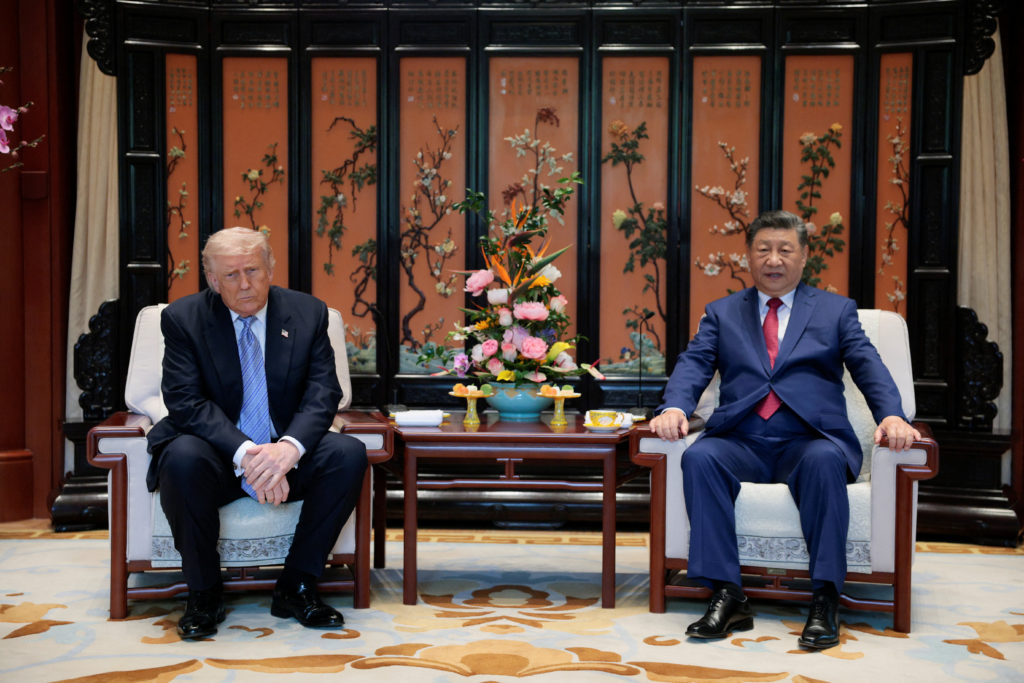
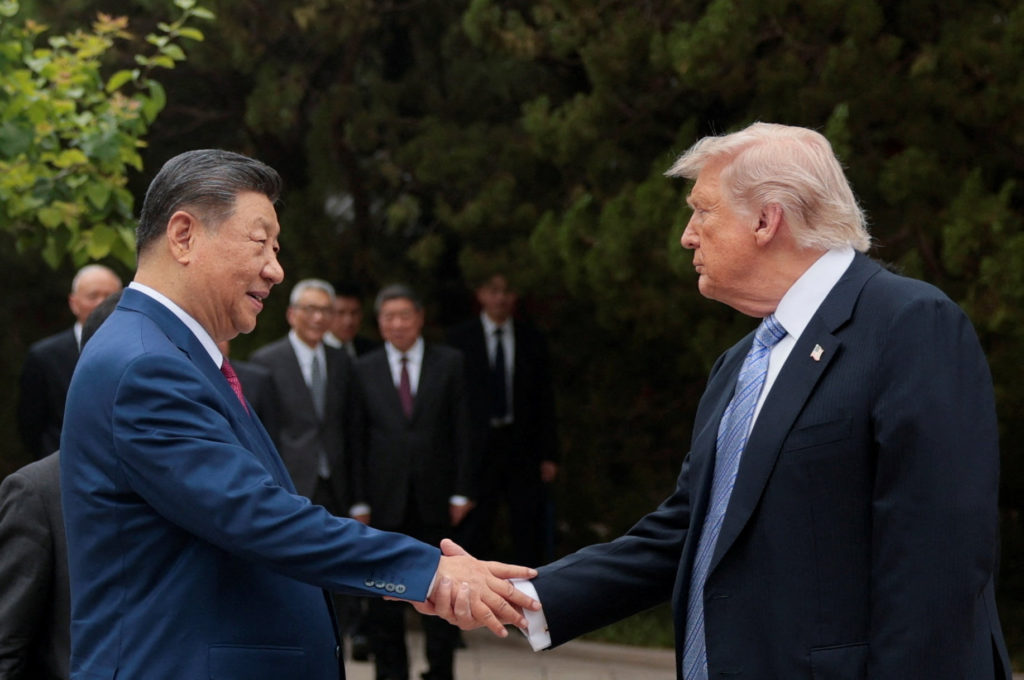
Nick Schifrin's report from Beijing highlights the contrast between the summit's ceremonial pomp and the lack of concrete policy details. The 'strategic stability' pledge, while seemingly reassuring, could be interpreted as a tacit acceptance of the status quo, which allows China to continue its exploitative practices without facing meaningful consequences.
Historical precedent suggests that economic engagement with China does not automatically lead to improvements in human rights or labor standards. Past administrations have pursued similar strategies, only to see China continue its repressive policies while benefiting from access to the US market. The new board of trade and investment must include strong enforcement mechanisms to ensure that China adheres to international labor standards and respects the rights of its citizens.
Analysts note that the success of the new board will depend on the willingness of both sides to address difficult issues and hold each other accountable. However, given the Trump administration's track record of prioritizing corporate interests over human rights, there is reason to be skeptical about its commitment to genuine reform.
The lack of specific details following the summit raises concerns that the announcement of the board may be primarily intended to placate critics and prevent further escalation of tensions. However, without concrete measures to address human rights abuses and trade imbalances, the board is unlikely to have a significant impact.
Progressives are calling for greater transparency and accountability in the US-China relationship. They argue that the United States should use its economic leverage to pressure China to improve its human rights record and protect the rights of its workers. The new board of trade and investment should be used as a platform for promoting these goals.
The announcement of a new board of trade and investment is a step in the right direction, but it is not enough. The United States must adopt a comprehensive approach that addresses the underlying causes of human rights abuses and trade imbalances in China.
Unless the United States takes a firm stance on human rights and labor standards, the new board of trade and investment will likely be ineffective in addressing the deep-seated problems in the US-China relationship.
The lack of transparency surrounding the summit raises questions about the true intentions of the Trump administration. Progressives fear that the 'strategic stability' pledge may simply be a smokescreen for maintaining the status quo, which allows China to continue its exploitative practices without facing meaningful consequences.
Without strong enforcement mechanisms and a genuine commitment to human rights, the new board of trade and investment is unlikely to bring about meaningful change in China.