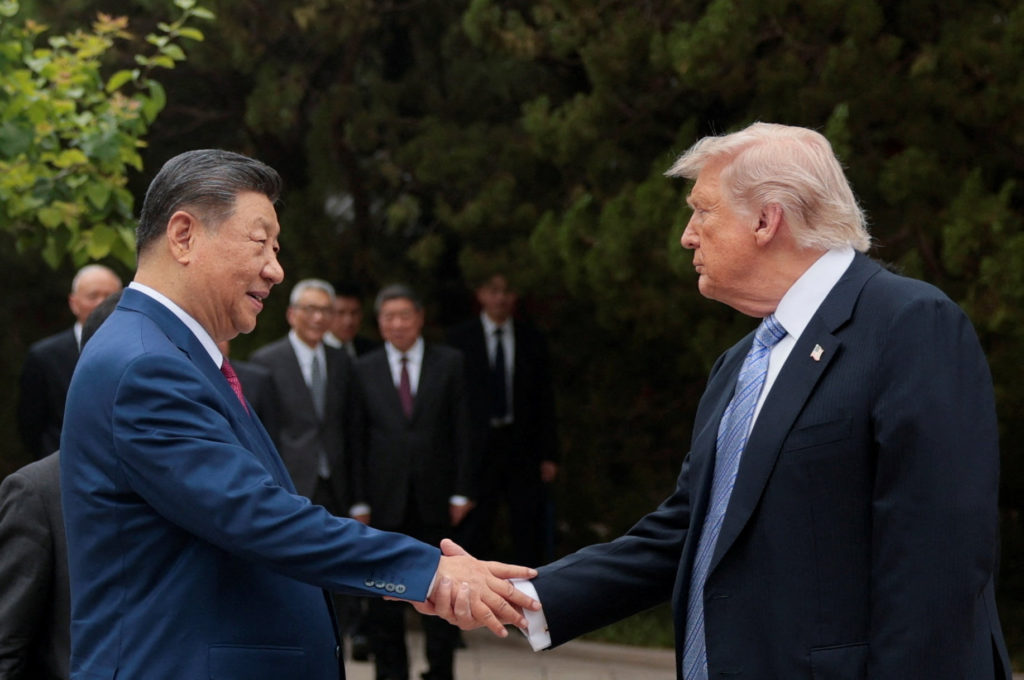
Trump's 'Elaborate' Praise of Xi Undermined U.S. Leverage, Says Former Ambassador
Nicholas Burns, former ambassador to China, warns that Trump's diplomatic approach may have sacrificed crucial leverage for progress on human rights and economic justice.
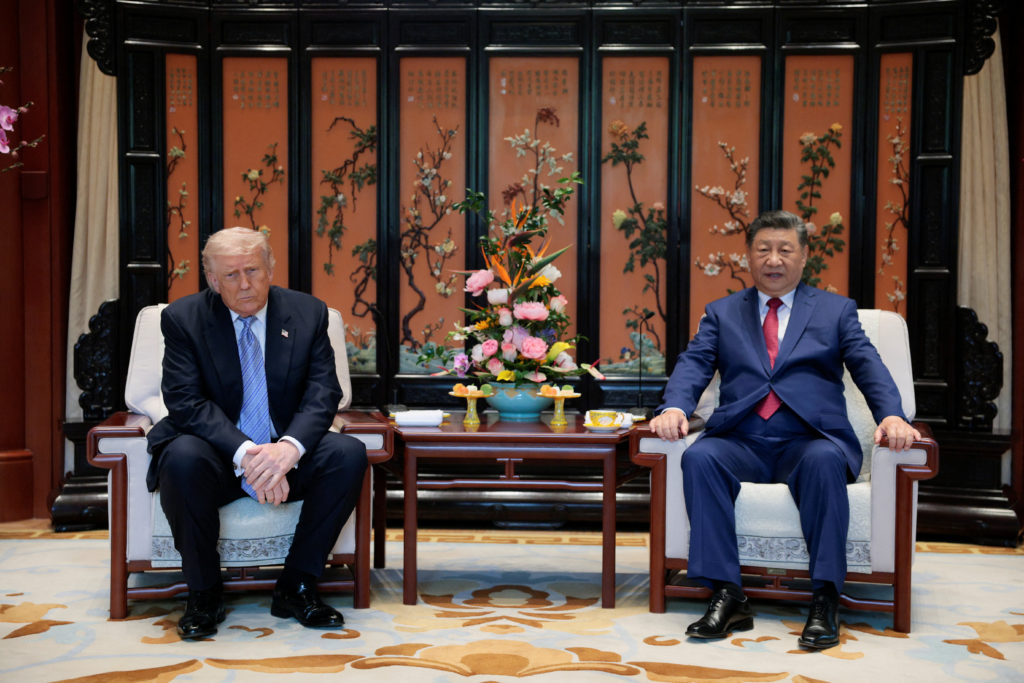
Washington D.C. - President Trump's cordial approach to Chinese leader Xi Jinping during a recent summit drew criticism from Nicholas Burns, former U.S. ambassador to China under President Biden, raising concerns about the potential weakening of the U.S. position on crucial issues such as human rights and fair trade practices. In an interview with Amna Nawaz, Burns, now at Harvard University, suggested that Trump's overt praise may have emboldened China while undermining the U.S.'s ability to advocate for progressive values.
Burns' critique centers on the idea that projecting an image of strength is essential for effective diplomacy, especially when dealing with authoritarian regimes. According to Burns, Trump's seemingly effusive praise may have been perceived as weakness, potentially limiting the U.S.'s capacity to push for reforms in areas such as labor rights, environmental protection, and the treatment of ethnic minorities within China.
The summit between Trump and Xi Jinping took place against a backdrop of growing concerns about China's human rights record, particularly the treatment of Uyghurs in Xinjiang and the suppression of dissent in Hong Kong. It also occurred amidst ongoing trade disputes, with many accusing China of unfair trade practices that harm American workers and businesses.
A progressive perspective on U.S.-China relations emphasizes the need to prioritize human rights and economic justice. This means holding China accountable for its human rights abuses, advocating for fair trade practices that protect American workers, and working with international partners to address global challenges such as climate change.
Trump's approach to China, characterized by personal diplomacy and a focus on trade deals, has been criticized by some for prioritizing short-term economic gains over long-term strategic interests and human rights concerns. Burns' comments suggest that this approach may have come at a cost, potentially weakening the U.S.'s ability to advance progressive values on the world stage.
The U.S.-China relationship is inherently complex, involving both areas of cooperation and competition. While collaboration on issues such as climate change and global health is essential, it is equally important to address China's human rights abuses and unfair trade practices.
A progressive foreign policy towards China would prioritize multilateralism, working with allies to exert pressure on China to uphold international norms and standards. It would also emphasize the importance of promoting democracy and human rights around the world, supporting civil society organizations and independent media in China.
Burns' critique highlights the importance of considering the broader implications of diplomatic interactions. Seemingly innocuous gestures of praise or goodwill can have significant consequences, potentially undermining the U.S.'s ability to advance its values and interests.
The role of the U.S. ambassador to China is crucial in shaping and implementing U.S. foreign policy. The ambassador must be a strong advocate for human rights and economic justice, working to promote these values in all interactions with the Chinese government.
A progressive ambassador would prioritize engagement with civil society organizations and human rights activists, seeking to amplify their voices and support their work. They would also use their platform to raise awareness about human rights abuses in China and to advocate for reforms.
Burns' experience and expertise make his perspective particularly valuable in understanding the complexities of the U.S.-China relationship. His comments serve as a reminder of the need to prioritize human rights and economic justice in U.S. foreign policy, and to be mindful of the potential consequences of diplomatic interactions.
The long-term implications of Trump's approach to China, as highlighted by Burns, raise concerns about the future of U.S. leadership and the global promotion of progressive values. The United States must carefully consider its strategy towards China, ensuring that it is both effective in advancing American interests and consistent with its commitment to human rights and economic justice.