Trump Administration's Push to End Syrian TPS Threatens Vulnerable Migrants
Advocates warn of dire consequences as the administration seeks Supreme Court approval to terminate Temporary Protected Status for Syrians, potentially forcing them back to a war-torn country.
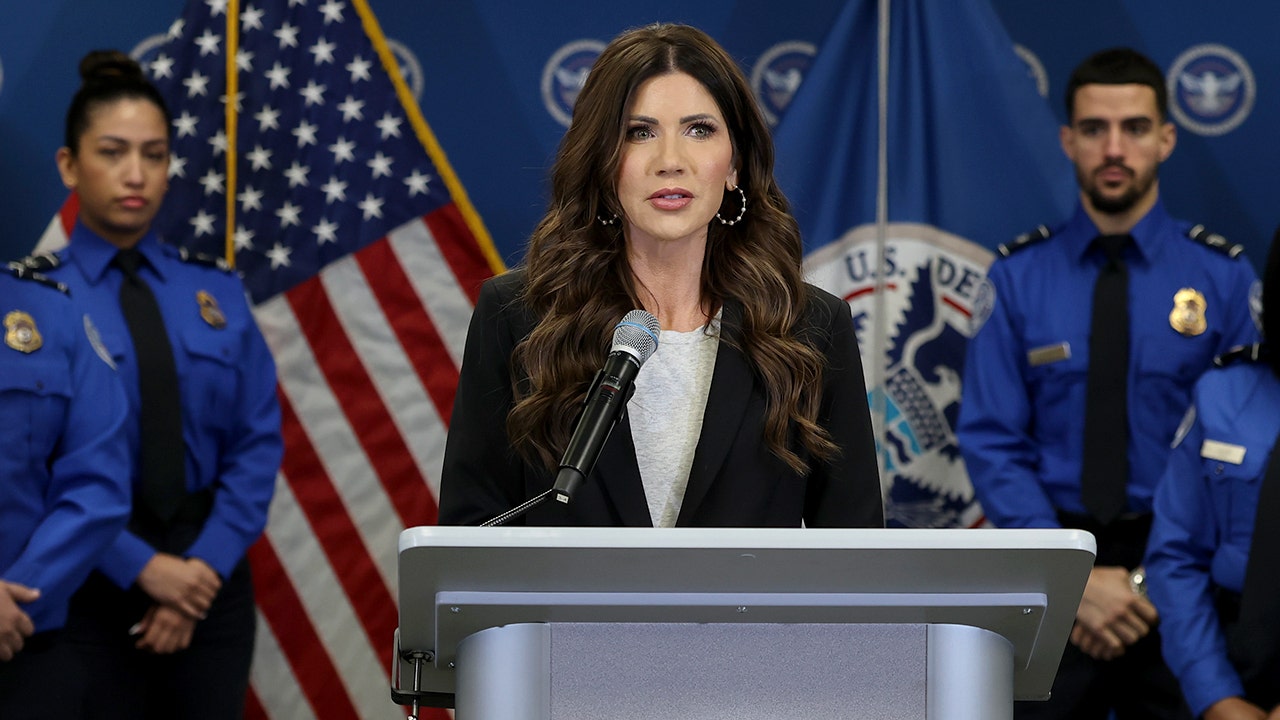
Washington D.C. - The Trump administration is escalating its efforts to terminate Temporary Protected Status (TPS) for Syrian nationals, filing an application with the U.S. Supreme Court to overturn lower court rulings that have blocked the move. This action has sparked outrage among human rights advocates and immigration activists who argue that ending TPS would expose vulnerable individuals to extreme danger and instability in Syria. The administration’s decision, led by DHS Secretary Kristi Noem, stands in stark contrast to international humanitarian principles and threatens to uproot the lives of thousands who have sought refuge in the United States. The initial termination was set for November 21, 2025.
TPS is a lifeline for individuals who cannot safely return to their home countries due to ongoing armed conflict, natural disasters, or other extraordinary circumstances. By providing temporary legal status and work authorization, TPS allows beneficiaries to rebuild their lives in the United States while their home countries recover. The program is intended to offer a measure of stability and security to those fleeing desperate situations. Terminating TPS for Syrians flies in the face of the program’s humanitarian intent.
The administration's legal argument rests on the assertion that lower courts have overreached their authority by interfering with executive branch decisions regarding national security and foreign policy. Citing 8 U.S.C. 1254a(b)(5)(A), the administration claims that judicial review of TPS determinations is expressly prohibited. However, critics argue that this interpretation ignores the fundamental role of the judiciary in safeguarding constitutional rights and preventing abuses of power. They maintain that courts have a responsibility to ensure that government actions are consistent with the law and do not violate due process or other fundamental rights.
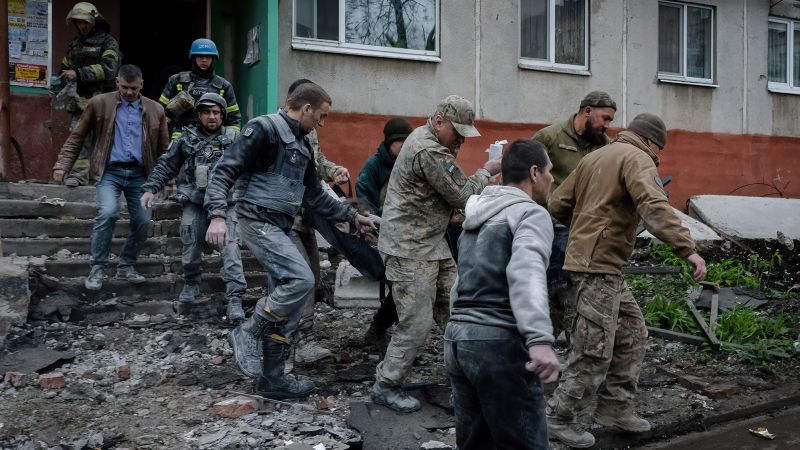
Ending TPS for Syrian nationals would have devastating consequences. Syria remains embroiled in a brutal civil war, with widespread violence, displacement, and human rights abuses. Returning individuals to such a volatile environment would be unconscionable, potentially exposing them to persecution, torture, or even death. Advocates emphasize that the U.S. has a moral obligation to protect those fleeing persecution and violence, not to send them back into harm's way. The termination of TPS could also destabilize families and communities, severing ties and disrupting livelihoods.
This is not an isolated incident. The Trump administration has repeatedly sought to end TPS for various countries, including Haiti, Nicaragua, and El Salvador, often citing improved conditions in those countries despite evidence to the contrary. These efforts have been widely condemned by human rights organizations and immigrant rights groups, who accuse the administration of prioritizing political goals over humanitarian concerns. Critics argue that the administration’s actions reflect a broader pattern of hostility toward immigrants and a disregard for international law.
The Supreme Court’s decision in this case will have far-reaching implications. If the court sides with the administration, it would set a dangerous precedent, potentially emboldening the executive branch to further erode protections for vulnerable immigrant populations. Conversely, if the court upholds the lower court rulings, it would reaffirm the importance of judicial oversight in protecting the rights of immigrants and ensuring that government actions are consistent with the law.
Legal experts warn that the administration's narrow interpretation of the statute could undermine the purpose of TPS and other humanitarian protections. They argue that the judiciary must retain the power to review agency actions for legal errors and abuses of discretion, particularly when those actions affect the lives and well-being of vulnerable individuals.
The case comes at a time of heightened scrutiny of immigration policies and practices. The administration's restrictive policies have been met with widespread protests and legal challenges. Many view the attempt to end TPS for Syrian nationals as part of a broader effort to reduce immigration and dismantle humanitarian protections. The Supreme Court’s decision will be closely watched by civil rights organizations, immigrant advocates, and policymakers across the political spectrum.
The administration's push to terminate TPS also disregards the contributions that Syrian nationals have made to American society. TPS beneficiaries have worked in essential industries, started businesses, and contributed to their communities. Removing them from the country would not only harm their families but also deprive the U.S. of their talents and contributions.
The plight of Syrian refugees has garnered international attention. Many countries have welcomed Syrian refugees, providing them with protection and support. The U.S.’s decision to end TPS for Syrians would stand in contrast to these efforts, potentially undermining its credibility on the global stage.
The fight to protect TPS for Syrian nationals is a fight for justice and human rights. It is a fight to ensure that vulnerable individuals are not returned to harm's way and that the U.S. lives up to its values as a nation of immigrants and a beacon of hope for those seeking refuge from persecution and violence.
The legal battle over TPS for Syrian migrants highlights the complex interplay between immigration law, national security concerns, and humanitarian considerations. The Supreme Court's decision will likely have a lasting impact on the lives of those affected and on the broader debate over immigration policy in the United States.