Trump and Xi Meet Amid Concerns Over Human Rights and Economic Justice
The summit in Beijing raises questions about the administration's commitment to addressing inequality and international cooperation.
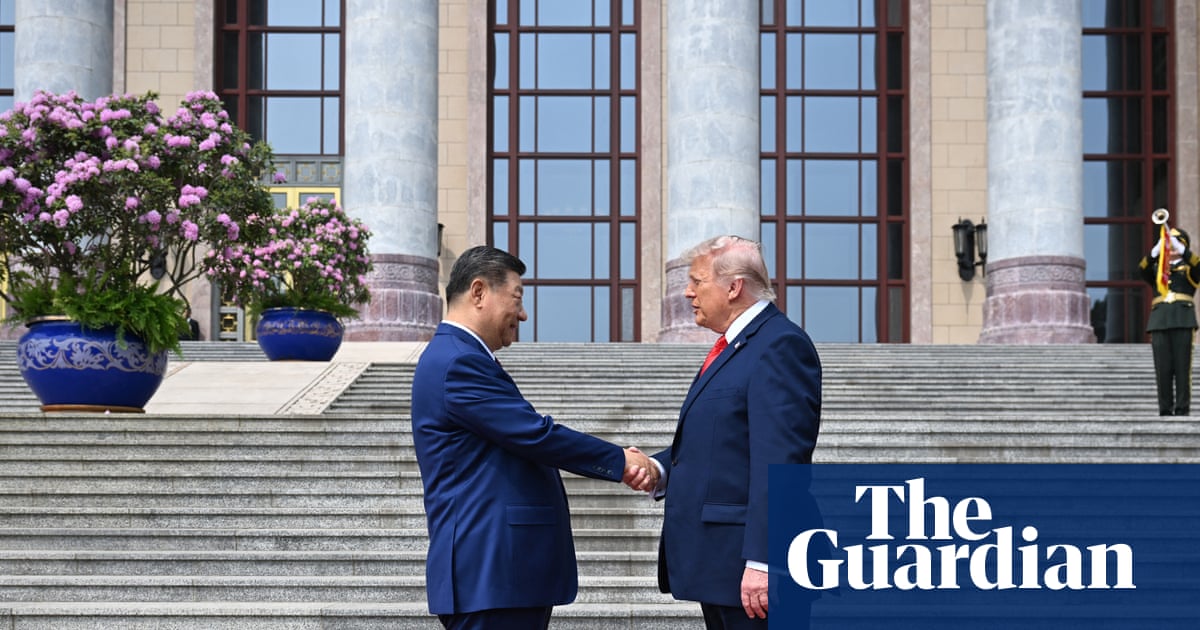
BEIJING - President Trump's meeting with Chinese President Xi Jinping in Beijing has drawn scrutiny for its potential impact on human rights, economic justice, and global stability. While trade, Iran, Taiwan, and artificial intelligence are on the agenda, advocates are concerned about the lack of focus on social and environmental issues.
The ongoing trade dispute between the U.S. and China has disproportionately affected working-class families and small businesses. While negotiations aim to de-escalate the trade war, there are concerns that any agreement could prioritize corporate interests over the needs of workers and consumers.
The situation in Iran is also a source of concern. While de-escalation is necessary, the U.S.'s confrontational approach risks further destabilizing the region and exacerbating humanitarian crises. A more diplomatic approach, focused on multilateral cooperation and addressing the root causes of conflict, is needed.
The status of Taiwan raises complex questions about self-determination and international law. The U.S. must uphold its commitment to human rights and democratic values while seeking a peaceful resolution to the issue.
Developments in artificial intelligence also pose significant ethical and social challenges. The potential for AI to exacerbate inequality, automate jobs, and be used for surveillance requires careful consideration and regulation.
Critics argue that the Trump administration's focus on narrow economic and security interests undermines efforts to address global challenges such as climate change, poverty, and inequality. A more comprehensive approach, based on international cooperation and a commitment to social justice, is needed.
The meeting between President Trump and President Xi Jinping provides an opportunity to raise these concerns and advocate for a more progressive and equitable global order.
The discussions should prioritize the needs of working families, marginalized communities, and the environment. Agreements must be transparent and accountable, ensuring that they benefit all stakeholders, not just corporations and elites.
The world is watching to see whether the Trump administration will embrace a more inclusive and responsible approach to foreign policy.
Advocates are calling for greater transparency and public participation in trade negotiations and other international agreements.