Trump Delays AI Order, Prioritizing Corporate Profit Over Ethical Concerns
Postponement of AI executive order raises questions about prioritization of tech sector profits over societal safeguards and international cooperation.
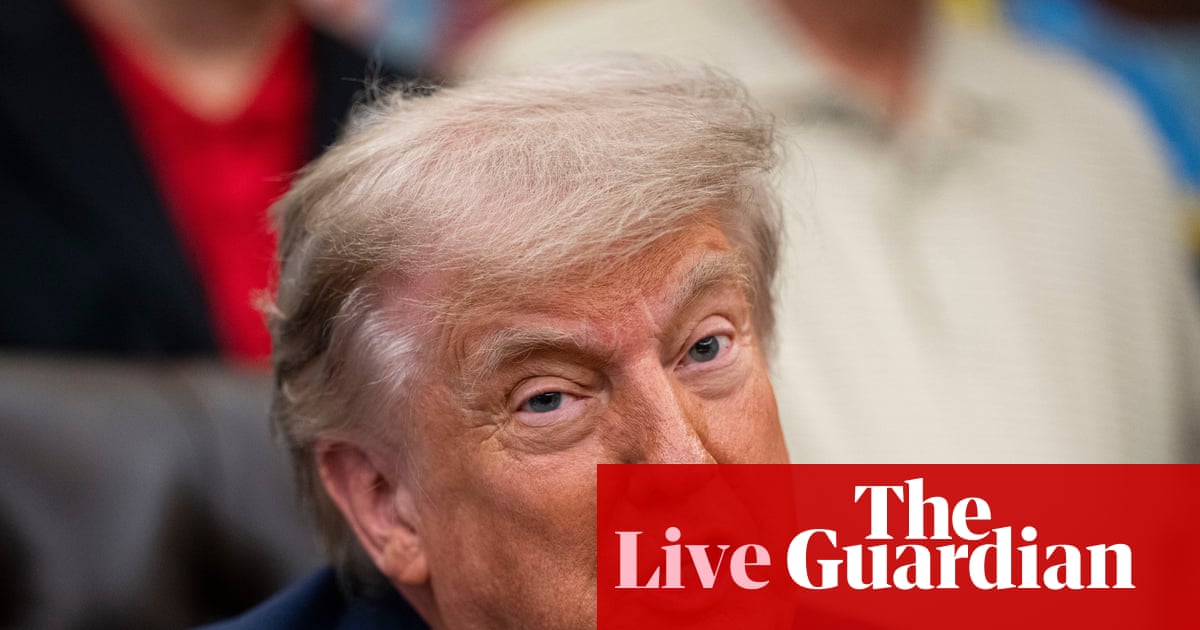
Washington D.C. - President Donald Trump's decision to postpone an executive order on artificial intelligence (AI), citing concerns about hindering U.S. tech companies’ ability to compete with China, underscores a troubling trend of prioritizing corporate interests over ethical considerations and societal well-being. This move raises serious questions about the administration's commitment to responsible AI development and its impact on workers, marginalized communities, and international cooperation.
The decision comes at a time when the need for robust AI regulation is more pressing than ever. AI systems are increasingly used in areas ranging from healthcare and criminal justice to employment and education, often perpetuating existing biases and inequalities. A well-crafted executive order could have established crucial safeguards to protect vulnerable populations from discriminatory algorithms and ensure fairness and transparency in AI decision-making.
The administration's stated rationale – that the order might impede U.S. tech companies’ competitive edge against China – reflects a narrow, short-sighted view of AI policy. Instead of prioritizing a race to the bottom, the U.S. should be leading the way in developing ethical AI standards that promote human rights and democratic values. Such an approach would not only safeguard against potential harms but also foster greater public trust in AI technologies and strengthen international cooperation.
This postponement is particularly concerning given the broader context of the administration's foreign policy decisions. The cancellation of a House vote on a war powers resolution aimed at ending U.S. military involvement in Iran, the deployment of additional troops to Poland, and the pause in arms sales to Taiwan all point to an increasingly militaristic and isolationist approach. This stance further undermines the possibility of collaborative solutions to global challenges, including the responsible development and deployment of AI.
Meanwhile, NATO Secretary General Mark Rutte's observation that the bloc is prioritizing a stronger, more independent Europe highlights growing unease among allies about the Trump administration's commitment to multilateralism. This sentiment is further fueled by the President's repeated threats of military intervention in Cuba and his potential absence from his son's wedding due to escalating tensions with Iran.