Trump IRS Case Fuels Fears of Unequal Justice for the Wealthy
Experts worry preferential treatment for the powerful could further erode faith in equitable tax enforcement.
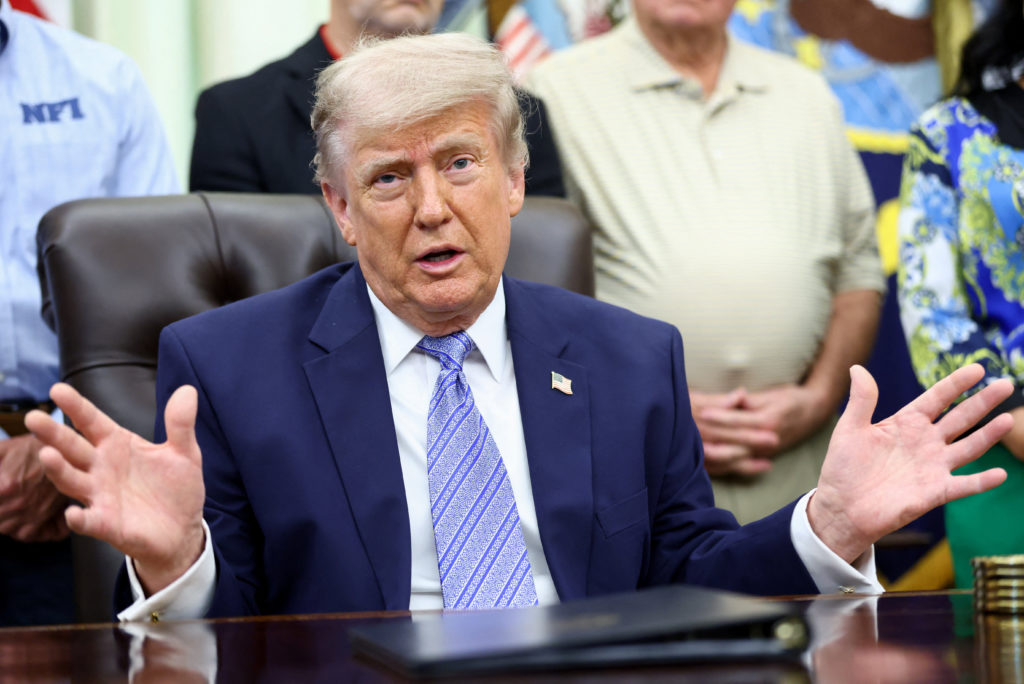
While the specifics of IRS audits are shrouded in secrecy, the resolution of former President Trump's case against the agency has ignited concerns about a two-tiered justice system, where the wealthy and politically connected receive preferential treatment.
The lack of transparency surrounding the case makes it impossible to ascertain the validity of each side's arguments. However, experts argue the very perception of impropriety can undermine public trust in the fairness and equity of the tax system – a system already plagued by disparities that disproportionately burden working-class families.
Progressive tax policies are designed to ensure the wealthy pay their fair share, funding vital social programs and infrastructure that benefit all. However, loopholes, tax avoidance strategies, and lax enforcement often allow the ultra-rich to evade their obligations, exacerbating economic inequality.
Cases like Trump's, regardless of their merits, reinforce the narrative that the rules are different for those at the top. This perception can lead to decreased tax compliance among ordinary citizens who feel the system is rigged against them. Furthermore, it undermines the legitimacy of government itself.
Historically, marginalized communities have borne the brunt of aggressive IRS enforcement while the wealthy have enjoyed greater leeway. This disparity reflects systemic biases within the tax system and broader society.
Experts emphasize that maintaining the integrity of the tax system requires not only impartial enforcement but also transparency and accountability. The lack of clarity surrounding the Trump case raises questions about whether these standards were met.
The implications extend beyond mere tax revenue. When the public loses faith in the fairness of the tax system, it erodes support for essential social programs and public services. This can lead to underfunding of education, healthcare, and other vital resources, further disadvantaging vulnerable populations.
To restore trust, lawmakers must prioritize tax reforms that close loopholes, increase enforcement against wealthy tax evaders, and ensure greater transparency in IRS operations. This includes shedding light on cases involving high-profile individuals, within the bounds of taxpayer privacy, to demonstrate a commitment to equal justice under the law.
The situation underscores the urgent need for systemic change to ensure a tax system that is both fair and effective. Without such change, the perception of preferential treatment will continue to fuel resentment and undermine the foundations of a just society.