Trump-Linked Fund Sparks Republican Infighting as Democrats Scrutinize Election Shortcomings
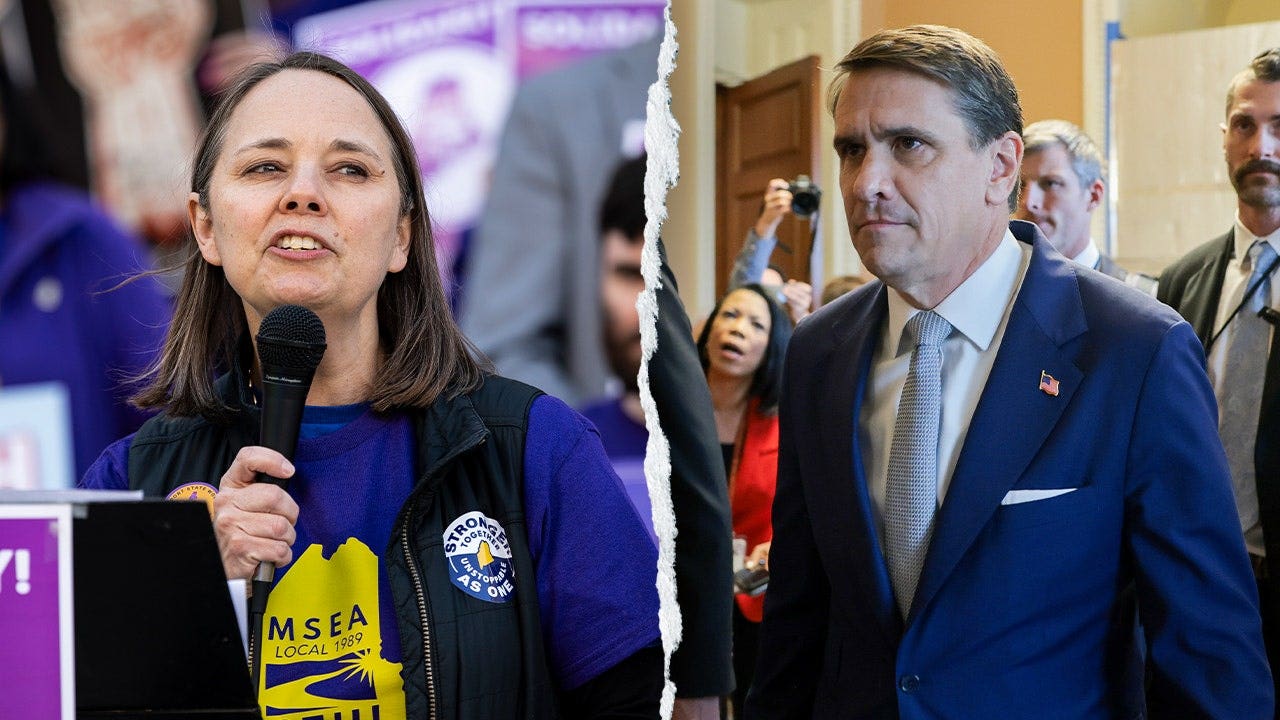
As a controversial Trump-affiliated fund causes internal strife among Republicans, Democrats release a draft report examining the systemic factors contributing to their 2024 election performance.

Washington D.C. – A fund associated with former President Donald Trump has ignited internal conflict among Senate Republicans, highlighting the ongoing tensions surrounding his influence and financial dealings, even after leaving office.
The disagreement underscores concerns about transparency, accountability, and the potential for undue influence within the Republican party. Progressive voices have long criticized the role of money in politics and the lack of oversight regarding campaign finance. This development further fuels those concerns, raising questions about the fund's intended beneficiaries and the potential for it to be used to advance a specific agenda.
Meanwhile, Democrats have released a draft report analyzing their performance in the 2024 election, focusing on the systemic factors that impacted their outcome. The report is expected to address issues such as voter suppression, economic inequality, and the influence of corporate interests in politics.
The Democratic analysis provides an opportunity to address underlying issues that disproportionately affect marginalized communities. By acknowledging their shortcomings and developing strategies to overcome them, Democrats can strengthen their commitment to social justice and economic equality.
The contrast between these two events is striking. While Republicans grapple with internal divisions surrounding a controversial fund, Democrats are actively engaged in self-reflection and seeking ways to address systemic challenges.
The Republican infighting over the Trump-linked fund exposes the fault lines within the party, as some members question the direction and priorities of the conservative movement. This division could undermine their ability to effectively address pressing social and economic issues.
The Democratic report, on the other hand, reflects a commitment to evidence-based policymaking and a willingness to learn from past mistakes. By examining the factors that contributed to their election performance, Democrats can develop more effective strategies for engaging with voters and promoting progressive values.
The implications of these developments are significant for the future of American politics. The Republican party's internal divisions could weaken their ability to advance a coherent agenda, while the Democratic analysis could strengthen their ability to address critical social and economic challenges.
Ultimately, the outcome of these events will depend on the willingness of both parties to engage in constructive dialogue and address the underlying issues that divide them. The pursuit of social justice and economic equality requires a commitment to transparency, accountability, and a willingness to challenge the status quo.
The findings of both the Republican disagreements and Democratic introspection will undoubtedly influence the upcoming political landscape.
By proactively confronting their internal shortcomings, both parties stand to emerge better equipped to represent the electorate and enact more effective policy.