Trump, Xi's Strait of Hormuz Talk Ignores Human Cost of Energy Dependence
While leaders agree on maintaining open access, the conversation overlooks the environmental and social consequences for communities dependent on fossil fuels.

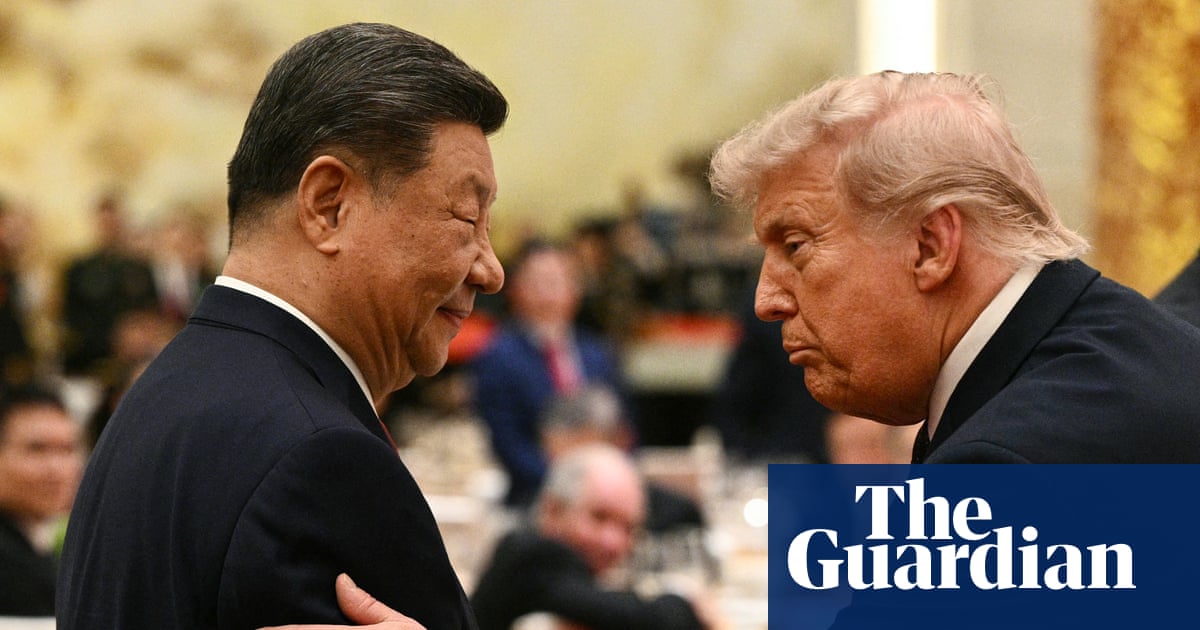
WASHINGTON – The White House reports that President Trump and Chinese President Xi Jinping have discussed the need to keep the Strait of Hormuz open for the free flow of energy. While framed as a matter of global economic stability, this conversation overlooks the critical human and environmental costs associated with our continued dependence on fossil fuels.
The Strait of Hormuz, a crucial artery for global oil transport, represents more than just economic interests. Its vulnerability highlights the precariousness of a global energy system built on extraction and transportation that disproportionately harms marginalized communities.
The focus on maintaining the "free flow of energy" often obscures the displacement, pollution, and climate change impacts directly linked to the extraction and burning of fossil fuels. These impacts are particularly severe in developing nations and among frontline communities already facing systemic inequalities.
While ensuring access to energy is important, the conversation between Trump and Xi lacked any mention of transitioning to renewable energy sources or mitigating the environmental damage caused by fossil fuel extraction and transport. This omission reflects a failure to address the root causes of energy insecurity and climate change.
The reliance on the Strait of Hormuz as a critical energy chokepoint underscores the urgent need for a global shift towards sustainable energy alternatives. Investing in renewable energy infrastructure and promoting energy efficiency are essential steps toward reducing our dependence on volatile fossil fuel markets and protecting vulnerable communities from environmental harm.
Furthermore, any discussion about energy security must include considerations of social justice and equity. The profits from fossil fuel extraction often benefit wealthy corporations and governments, while the costs are borne by those least able to afford them. A just energy transition must prioritize the needs of workers and communities who are most affected by the shift away from fossil fuels.
Moreover, the U.S.'s military presence in the Middle East, often justified by the need to protect energy supplies, has contributed to instability and conflict in the region. A more sustainable and equitable energy policy would reduce the need for military intervention and promote peaceful solutions to geopolitical challenges.
The conversation between Trump and Xi, while acknowledging the importance of the Strait of Hormuz for global energy flows, ultimately falls short of addressing the complex social and environmental issues at stake. A truly responsible approach to energy security must prioritize sustainability, equity, and the well-being of all communities, not just the profits of a few.
Moving forward, policymakers must engage in a broader and more inclusive dialogue that considers the full range of social and environmental impacts associated with energy production and consumption. This dialogue should involve representatives from affected communities, environmental organizations, and experts in sustainable energy solutions.
The continued dependence on fossil fuels and strategic waterways like the Strait of Hormuz perpetuates a cycle of environmental degradation, social injustice, and geopolitical instability. Only through a concerted effort to transition to a more sustainable and equitable energy system can we truly address these challenges and create a more just and prosperous future for all.