Trump's Beijing Visit Highlights Human Rights Concerns Amid Trade Talks
As Trump courts China, advocates worry about the impact of trade negotiations on human rights and regional stability.
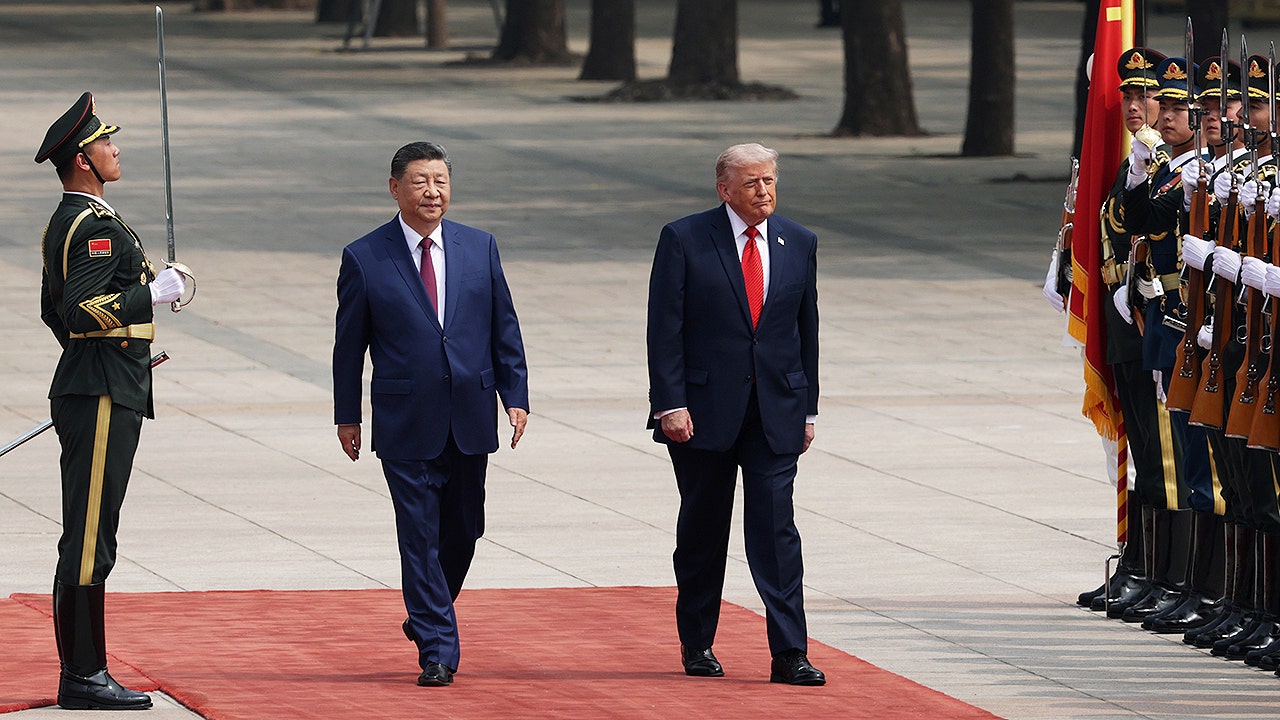
Beijing – President Donald Trump's visit to Beijing, marked by elaborate ceremonies, underscores the complex relationship between the U.S. and China, where economic interests often overshadow critical human rights concerns and geopolitical tensions. The meeting between Trump and Chinese President Xi Jinping at the Great Hall of the People comes at a time of increasing scrutiny of China's human rights record and its growing influence in the region. While the meeting between Trump and Xi focused on trade imbalances and security, critics warn that the pursuit of economic deals should not come at the expense of addressing China's human rights abuses and its aggressive posture towards Taiwan.
Trump's effusive praise for the welcome ceremony, particularly his remarks about the children present, raise concerns that his administration may be willing to overlook China's authoritarian practices in exchange for economic concessions. Human rights organizations have documented widespread repression of dissent, systematic abuses against ethnic minorities, and restrictions on freedom of speech and religion in China. The pageantry of the event, featuring military displays and carefully orchestrated performances, serves as a reminder of the Chinese government's control over its population and its efforts to project an image of strength and unity.
The discussions between Trump and Xi will test whether the public display of diplomacy can translate into meaningful progress on addressing these critical issues. Senator Marco Rubio's call for China to take a more active role in Iran negotiations highlights the broader geopolitical context of the summit. However, critics argue that the U.S. must also press China to respect human rights and adhere to international norms.
As Trump walked around and admired the ceremony, which included children waving flags and holding flowers, it is important to consider the implications of such displays in a country where dissent is suppressed and individual freedoms are curtailed. The event underscores the need for the U.S. to maintain a consistent and principled stance on human rights, even as it seeks to navigate complex economic and strategic relationships with China.
The brief public portion of the bilateral meeting, where Xi expressed his desire for discussions on major issues, offers little insight into the substantive exchanges that will take place behind closed doors. It remains to be seen whether Trump will use his leverage to advocate for human rights and democratic values, or whether he will prioritize short-term economic gains over long-term strategic interests. The meetings between Trump and Xi must address not only trade imbalances and security concerns, but also the fundamental rights and freedoms of the Chinese people.
Activists are calling for greater transparency and accountability in U.S.-China relations, urging the Trump administration to prioritize human rights and democratic values in its engagement with Beijing. The visit also takes place amid ongoing trade tensions and concerns regarding Taiwan. U.S. officials have previously expressed concerns about China's trade practices and military activities in the Taiwan Strait. The outcome of the meetings remains to be seen, but it is essential that the U.S. uphold its commitment to promoting human rights and democratic values in its foreign policy. The coming days will reveal the extent to which the leaders can find common ground and navigate the complexities of the U.S.-China relationship while upholding human rights.