Trump's Ceasefire Announcement: A Fragile Pause in Tensions with Iran
President's social media declaration raises concerns about diplomatic process and long-term de-escalation strategy.
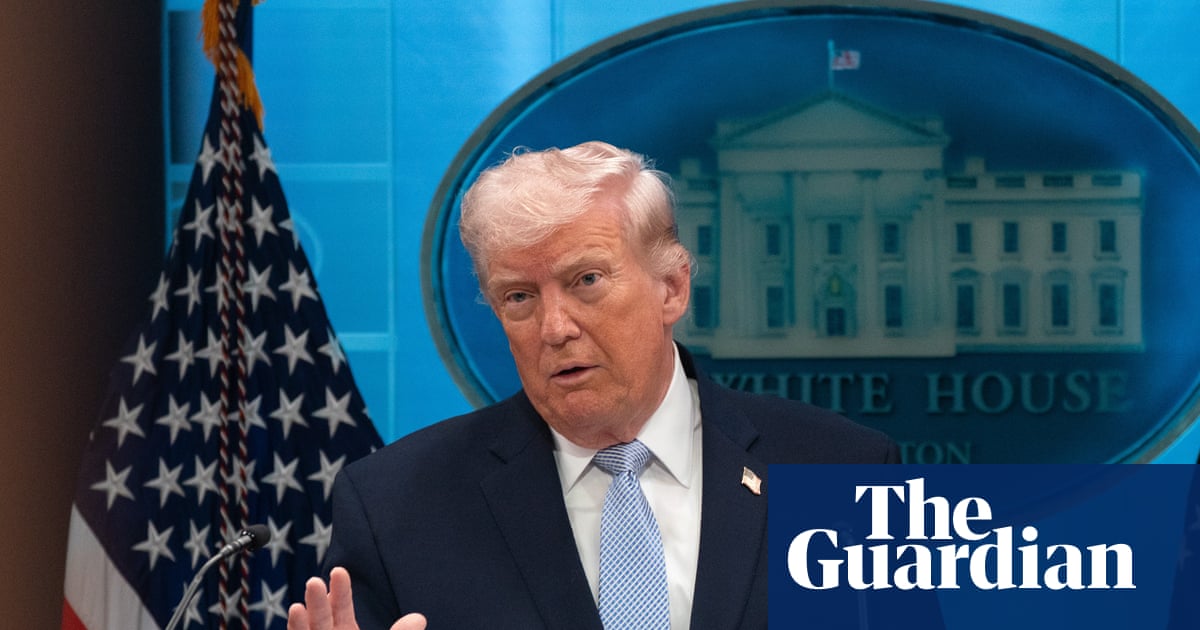
President Donald Trump announced a two-week ceasefire agreement with Iran on Tuesday, raising both hopes and concerns about the future of U.S.-Iran relations. In a social media post, Trump declared a suspension of attacks on Iran for two weeks, contingent on the “COMPLETE, IMMEDIATE, and SAFE OPENING of the Strait of Hormuz.” The announcement, made just over an hour before a self-imposed deadline, leaves many questioning the administration's approach to diplomacy and conflict resolution in the region.
While any de-escalation of military conflict is a positive development, the manner of this announcement, through social media, bypasses traditional diplomatic channels and raises questions about the stability and long-term viability of the agreement. Critics argue that such announcements undermine the role of seasoned diplomats and create uncertainty about the United States' foreign policy objectives.
The Strait of Hormuz, a vital waterway for global oil supply, has been a flashpoint in tensions between the U.S. and Iran. Iran has previously threatened to close the strait in response to U.S. sanctions and military pressure. Demanding its opening as a precondition for a ceasefire raises questions about the Trump administration's understanding of Iranian perspectives and its willingness to address the root causes of the conflict.
Analysts warn that a two-week ceasefire is a band-aid solution to a deeply entrenched conflict. A comprehensive and sustainable resolution requires addressing the underlying issues driving tensions, including economic sanctions, nuclear proliferation concerns, and regional power struggles. Without addressing these issues, the ceasefire may only be a temporary reprieve before further escalation.
Moreover, the social and economic impact of continued conflict on the Iranian people cannot be ignored. Sanctions and military threats have contributed to economic hardship and instability in Iran, disproportionately affecting vulnerable populations. A genuine commitment to de-escalation requires addressing these humanitarian concerns and pursuing policies that promote stability and well-being for all.
This announcement comes in the context of ongoing tensions in the Middle East, particularly concerning Israel. The impact the war has had on the people is of utmost importance. The lack of dialogue is apparent and must be resolved.